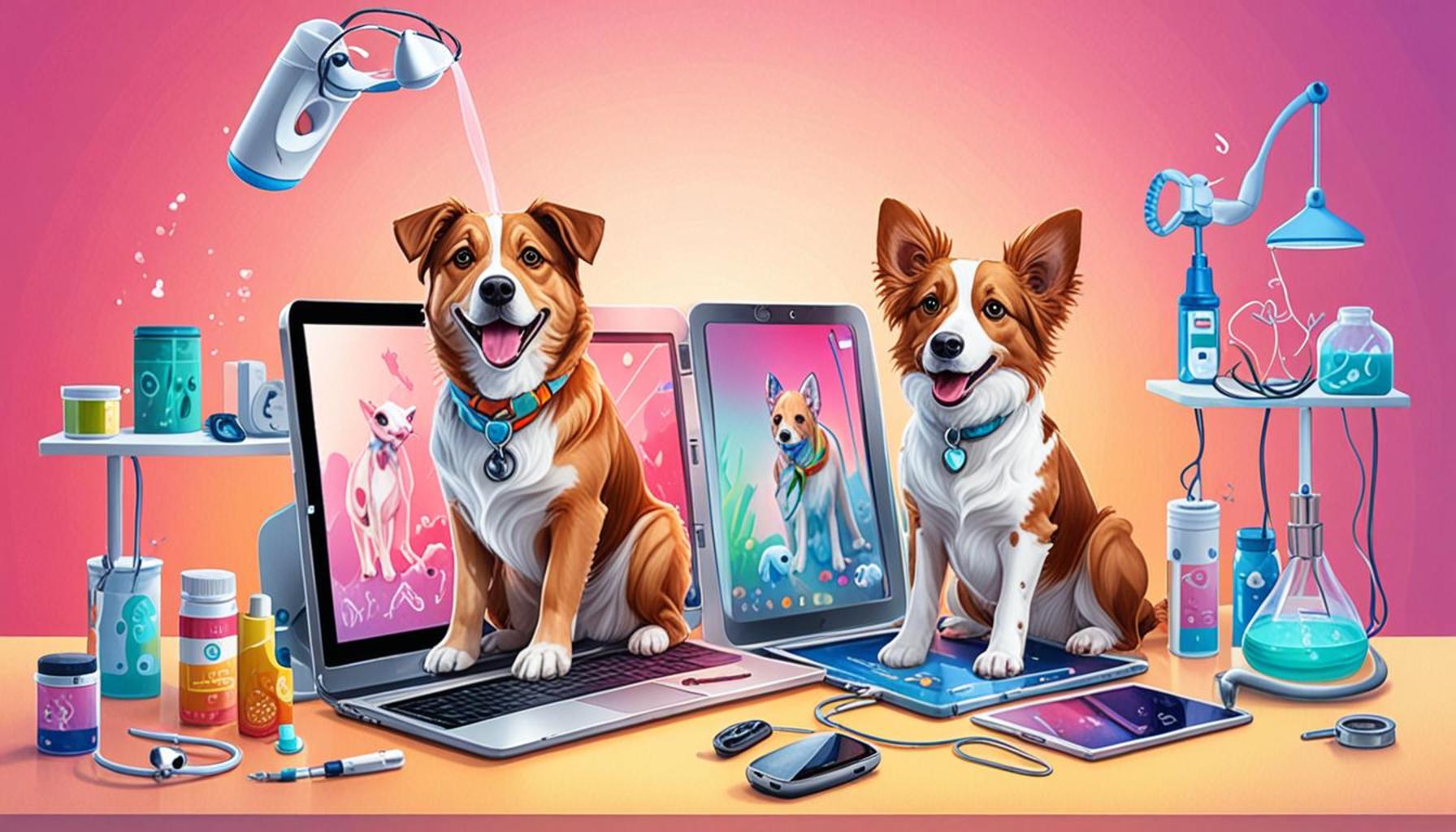
Veterinary Telemedicine: How Technology is Transforming Access to Healthcare for Pets
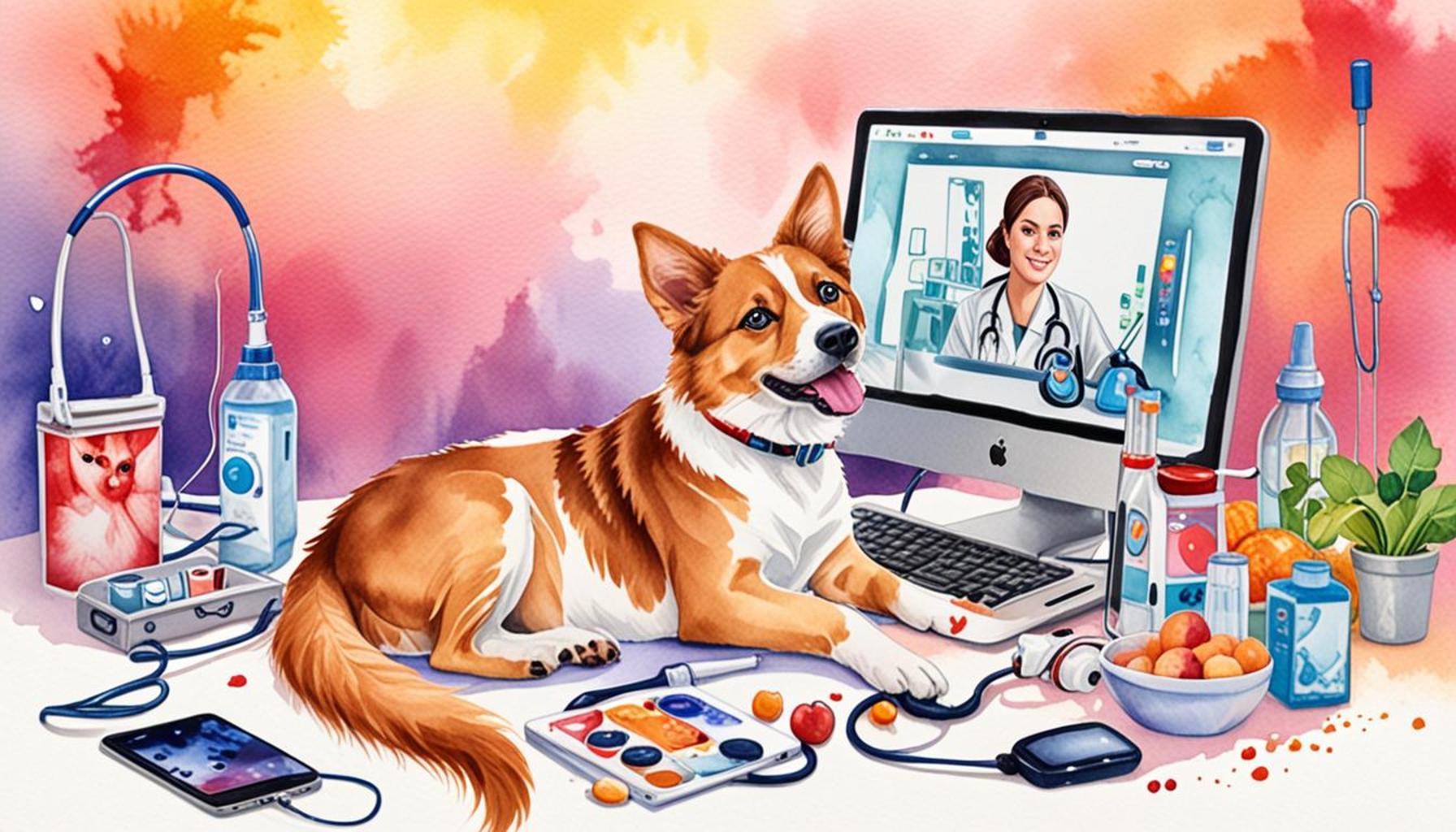
The New Frontier in Pet Healthcare
In recent years, there has been a noticeable shift in how pet healthcare is delivered. Veterinary telemedicine is at the forefront of this transformation, making it easier than ever for pet owners to access veterinary care. By harnessing the power of technology, veterinarians are now able to provide essential services from the comfort of a client’s home. This innovative approach is not just about convenience; it’s about enhancing the overall health and well-being of pets.
Consider some of the key features that veterinary telemedicine offers:
- Video consultations for non-emergency evaluations, allowing pet owners to interact with veterinarians in real-time, often reducing the need for stressful car rides and long waits in a clinic.
- Remote monitoring of chronic conditions, such as diabetes or arthritis, where pet owners can send updates and get tailored advice on managing their pet’s health.
- Prescription refills without the need for in-person visits, which simplifies the process for pet owners trying to maintain a steady supply of medication for their pets.
This tech-driven care model is especially beneficial in a country as vast as the United States, where rural areas may lack access to local veterinary clinics. For instance, a pet owner in a remote community in Montana can connect with an experienced veterinarian in California for guidance without the hassle of travel. Moreover, during critical periods like the COVID-19 pandemic, telemedicine emerged as a lifeline, ensuring that pets continued to receive necessary care while minimizing health risks for their owners.
The ease of access is enhancing preventive care, with pet owners more likely to reach out for advice or check-ups, preventing conditions from worsening and potentially decreasing veterinary costs in the long run. Telemedicine is not only reshaping how emergencies are managed but also promoting proactive health management strategies.
As technology continues to advance, the future of veterinary telemedicine appears even more promising. Innovations such as AI-driven symptom checkers and improved mobile applications are set to streamline these services further. As more pet owners become aware of these resources, it could significantly enhance accessibility, leading to improved health outcomes for our furry friends.
Ultimately, the rise of veterinary telemedicine invites a deeper conversation about the evolution of pet healthcare. The journey from traditional in-office visits to virtual consultations reflects a broader trend in healthcare, catering to the needs of both pets and their owners. As this exciting field evolves, it presents an opportunity for better veterinary practices that prioritize animal welfare and owner convenience alike.
DIVE DEEPER: Click here to discover your perfect pet
Transforming Access to Pet Healthcare
The introduction of veterinary telemedicine is a game-changer in the landscape of pet healthcare, particularly as it addresses the pressing need for timely access to veterinary services. For many pet owners, the challenges of juggling work, family, and the responsibilities of pet care can impede their ability to seek out professional help. Telemedicine alleviates these barriers, providing solutions that are as efficient as they are accessible. With just a few clicks, pet owners can set up consultations with licensed veterinarians, allowing for swift advice or diagnosis when their furry companions need it most.
One of the cornerstone advantages of veterinary telemedicine is the ability for pet owners to obtain immediate access to expert opinions through virtual consultations. These consultations can resolve many common issues, from symptom assessments to general health inquiries. This immediacy not only gives peace of mind to anxious pet owners but also helps veterinarians capture critical information that can inform ongoing treatment regimens. Here are a few examples of how this virtual approach can be utilized:
- Behavioral inquiries: Addressing problems such as anxiety or aggression through detailed discussions and video cues.
- Skin conditions: Assessing irritations or infections through visual examination over video, which can minimize the need for in-person visits.
- Post-operative follow-ups: Providing post-surgery check-ins to monitor recovery and ensure proper healing without the need for a physical visit.
Moreover, the capability of remote monitoring has expanded the scope of chronic disease management. Conditions like heart disease, nutritional issues, or joint pain can be efficiently tracked through ongoing communications between the veterinarian and the pet owner. This kind of engagement promotes a level of health oversight that traditional in-office visits might lack due to time constraints. Pet owners are empowered to manage their pets’ health more effectively with tailored advice that can be accessed from anywhere.
Additionally, veterinary telemedicine addresses the unique geographical challenges posed by the vastness of the United States. Residents of rural areas often face significant hurdles in accessing high-quality veterinary care due to distance and limited local options. Telemedicine serves as an effective bridge, connecting these pet owners with specialists and veterinarians who may be hundreds of miles away. In this regard, it opens up a world of possibilities, allowing pets in even the most remote areas to receive expert medical attention that was previously out of reach.
The advent of veterinary telemedicine also proves to be invaluable during public health crises. The COVID-19 pandemic underscored the importance of maintaining healthcare access while adhering to social distancing measures. Virtual consultations ensured that pets continued to receive care, despite the challenges posed by the pandemic. This shift not only showcases the resilience of the veterinary profession but also sets a precedent for future healthcare delivery methods.
As the field of veterinary telemedicine continues to evolve, it offers an array of opportunities for both vets and pet owners. The integration of these modern technologies into routine veterinary practices is fostering a more connected, proactive, and efficient approach to pet healthcare, benefitting the entire community of pet lovers across the nation.
| Category | Advantages |
|---|---|
| Accessibility | Veterinary telemedicine breaks geographical barriers, allowing pet owners in remote areas to access healthcare expertise without traveling. |
| Cost-effectiveness | Reduced travel costs and streamlined consultations lead to significant savings for pet owners, enabling routine check-ups without a major financial burden. |
Veterinary telemedicine is more than just a trend; it represents a significant shift in how pet healthcare is delivered. With platforms designed for virtual veterinary consultations, pet owners can engage in real-time discussions with veterinarians, receive timely advice, and ensure their pets get the attention they need. This access is particularly crucial during emergencies when immediate care can make a vital difference. Moreover, the integration of telemedicine into pet healthcare allows for better monitoring of chronic conditions, helping veterinarians to review pet health data remotely and adjust treatments as necessary. Enhanced communication with veterinary professionals can also educate pet owners, promoting a greater understanding of their pets’ health needs. As technology evolves, the world of veterinary care continues to embrace new tools, such as health monitoring apps and AI-driven diagnostics. This evolving landscape indicates that the future of veterinary telemedicine is not just about convenience, but also about improving outcomes for our beloved pets.
DISCOVER MORE: Click here to learn about the importance of behavioral training
Increased Efficiency and Cost-Effectiveness
As veterinary telemedicine continues to change how pet healthcare is delivered, it is also proving to be a far more efficient and cost-effective solution for both pet owners and veterinary practices. Traditional in-person visits can lead to longer wait times, not only for appointments but also within the office itself, where unforeseen delays can extend the time away from work or home. Telemedicine reduces these inefficiencies by streamlining the entire process. Pet owners can receive immediate virtual consultations, which can often resolve issues in a fraction of the time, thereby minimizing disruptions to their daily lives.
Incorporating telemedicine technology into practice also translates to considerable savings. According to a recent study, pets that received telehealth services required fewer in-person follow-up visits and related expenses, saving owners up to 30% on typical veterinary care costs. This affordability can encourage more pet owners to seek timely medical attention, reducing the risk of complications due to untreated issues.
Enhanced Communication Between Pet Owners and Veterinarians
The rise of telemedicine has greatly enhanced the communication dynamic between pet owners and veterinarians. The emotional bond pet owners share with their animals often brings about anxiety regarding their health and well-being. The ability to communicate easily and constantly through viable platforms allows for more open discussions about concern areas, care strategies, and follow-up treatments. Pet owners no longer feel isolated; they can ask questions, provide updates on their pet’s condition, and discuss treatment options without the constraints of a traditional office visit.
Veterinarians, on the other hand, benefit from improved access to ongoing pet health data. Many telemedicine platforms allow for the sharing of health records, images, and test results, which can be reviewed in real-time. This creates a more comprehensive view of the pet’s health and allows practitioners to make informed decisions based on a diversity of inputs. Such levels of engagement promote a more collaborative approach to pet health management, fostering trust and transparency.
Innovative Platforms and Tools
The emergence of innovative platforms is vital to the success of veterinary telemedicine. A plethora of apps and online services have sprouted, enabling seamless communication for veterinary consultations. For instance, platforms like Pawscout and TeleVet allow pet owners to schedule virtual appointments, consult specialists, and access invaluable resources while having services uniquely tailored to their pet’s needs.
Artificial intelligence is also making its entry into this field, with qualifications for diagnosing ailments based on user-provided symptoms or visual data. This kind of technology can assist veterinarians by narrowing down potential conditions before consultations even begin, allowing for a more focused and efficient appointment.
Furthermore, telemedicine is integrating educational components, equipping pet owners with knowledge regarding preventative care, nutrition, and behavioral training via webinars and virtual workshops. This empowers owners with the confidence to take proactive measures in their pets’ health, further emphasizing the comprehensive benefits of combining technology with pet care.
In this rapidly evolving landscape, it’s essential for pet owners to embrace the shift toward veterinary telemedicine. This fresh paradigm not only offers improved access but also ensures that pets receive timely, quality healthcare that they deserve, adapting to the demands of modern life. As technology advances, the future of veterinary care only promises to grow increasingly efficient, effective, and accessible for all.
DISCOVER MORE: Click here for essential tips on pet preventive care
Conclusion
In conclusion, veterinary telemedicine is undeniably reshaping the landscape of pet healthcare, offering unmatched access and efficiency that was previously unimagined. By utilizing innovative technologies and platforms, pet owners can now consult with veterinarians from the comfort of their homes, significantly reducing the time and expenses often associated with traditional veterinary visits. This modern approach not only alleviates the stress of scheduling and travel but also encourages early intervention – a crucial factor in effectively managing pets’ health.
The emphasis on enhanced communication through telemedicine fosters a collaborative relationship between pet owners and veterinarians, promoting transparency and trust. With real-time access to health data and educational resources, owners can become better informed and more proactive in their pets’ care. Furthermore, as the use of artificial intelligence in diagnostic processes expands, the potential for even more accurate and prompt care increases.
As we embrace this technology-driven transformation, it is paramount for pet owners to stay informed and adaptable to these changes. The future of veterinary healthcare is bright, characterized by increased accessibility and a more engaged pet owner community. With the myriad of benefits associated with telemedicine, both pets and their owners stand to gain significantly. Thus, the journey into the realm of veterinary telemedicine is not just a trend; it represents a crucial evolution in ensuring that our beloved companions receive the quality healthcare they deserve.