Trends in Natural Pet Food: Benefits and Challenges
Understanding Natural Pet Food Trends
The surge in demand for natural pet food has transformed how pet owners care for their furry friends. With more consumers prioritizing quality ingredients, this trend reflects a broader shift towards healthier lifestyles for both pets and their owners. Natural pet foods, often characterized by minimal processing and wholesome ingredients, are gaining popularity throughout the United States. This growing trend is supported by numerous factors, including an increase in pet ownership and a rising awareness of nutrition, paralleling the health movement observed in human food consumption.
Why the Shift?
- Health Consciousness: Pet owners are increasingly concerned about the nutritional value of their pets’ diets. As studies indicate that processed foods can lead to health issues in pets, many owners are opting for diets rich in whole ingredients, much like the trend in human diets emphasizing organic and non-GMO options.
- Ingredient Transparency: Consumers prefer brands that disclose ingredient sourcing and production processes. With a wealth of information available online, pet owners are more informed than ever. They seek products that feature simple, recognizable ingredients and reject those with vague or misleading labels. For example, pet food brands that showcase whole meats, grains, and vegetables as primary ingredients often command a loyal following.
- Sustainability: Many natural pet food companies focus on environmentally friendly practices. As sustainability becomes a cornerstone of consumer behavior, brands that engage in responsible sourcing, eco-friendly packaging, and ethical production are more likely to gain trust and loyalty from environmentally conscious consumers.
Despite the many advantages, navigating the landscape of natural pet food presents unique challenges. Some products may not meet the expected nutritional standards, while misleading labels can confuse consumers. For instance, a product marketed as “natural” may still contain artificial additives that contradict the premise of wholesome feeding. This tension between benefits and challenges raises critical questions about the nature of pet food itself.
Consider the Following Challenges
- Cost: Natural pet foods often come with a higher price tag. Owners might find themselves making budgetary sacrifices, as premium ingredients and sustainable practices can elevate costs significantly. A 2022 report indicated that natural pet foods could be priced 30-50% higher than conventional options.
- Regulations: The lack of stringent guidelines can lead to inconsistencies in product quality. The absence of a universally accepted definition of “natural” in pet food legislation means that brands may exploit this ambiguity to market subpar products.
- Preference: Not all pets may readily accept a switch to natural diets. Transitioning pets to a new food can take time and patience. Some might reject the unfamiliar taste or texture, leading to frustration for pet owners who hope to improve their pets’ diets.
As we delve deeper into these trends, understanding the implications of choosing natural pet food becomes essential. What are the long-term effects on our pets’ health, our wallets, and the planet? Exploring these questions will equip pet owners with the knowledge to make informed decisions. Engaging with product reviews, consulting veterinarians, and participating in pet owner communities are practical steps that can guide buyers through the complex and evolving landscape of natural pet foods.
LEARN MORE: Click here to discover the benefits of socialization for your pets
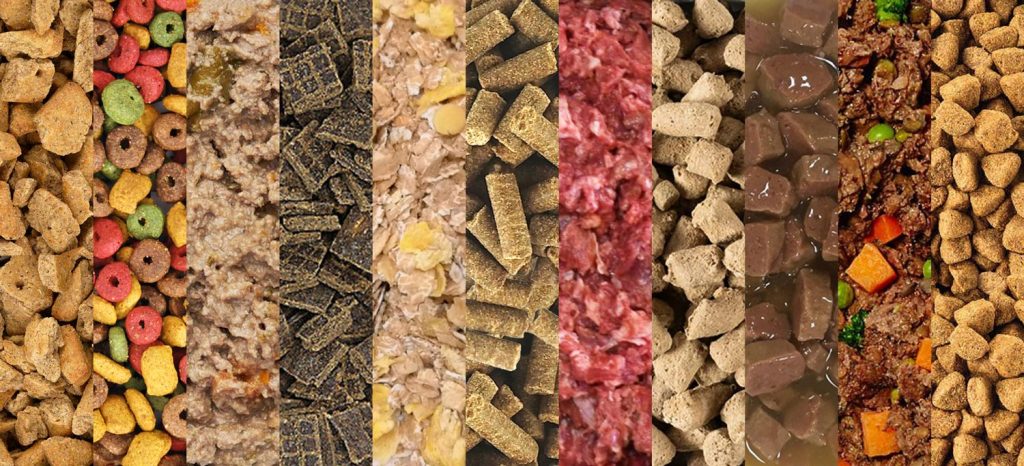
Exploring the Benefits of Natural Pet Food
As pet owners become more invested in the health and well-being of their companions, the shift towards natural pet food presents numerous benefits that resonate within this growing market. Understanding these advantages is crucial for making informed dietary choices for pets, ensuring optimal health and happiness.
Health Improvements
One of the primary benefits of natural pet food is its potential to enhance overall pet health. Many natural diets are crafted with high-quality ingredients that promote better digestion, improved energy levels, and healthier skin and coats. For instance, natural foods often utilize whole protein sources, such as chicken, beef, or fish, which are essential for muscle development and maintenance. Additionally, the inclusion of fruits and vegetables provides vital vitamins, minerals, and antioxidants that fortify the immune system.
Weight Management
Another significant advantage of opting for natural pet food is the promotion of healthy weight management. Many commercial pet foods laden with fillers, such as corn and soy, can contribute to obesity and related health issues. In contrast, natural pet foods, often free from these unwanted additives, offer better nutrient density, aiding in satiety without compromising calorie intake. This emphasis on wholesome ingredients aligns with the growing concern over pet obesity, which affects an estimated 56% of dogs and 60% of cats in the United States.
Personalization and Specialty Diets
The rise of natural pet food has also led to diversification in dietary options, catering to pets with specific dietary requirements or allergies. Many brands now provide grain-free, hypoallergenic, or limited-ingredient diets tailored to dogs and cats with sensitivities. This customization ensures that pets receive balanced nutrition without triggering adverse reactions, enhancing their quality of life.
Building Trust through Transparency
In today’s marketplace, trust is paramount. Pet owners increasingly prefer brands that are transparent about their sourcing and production processes. This demand for accountability can lead to a more informed choice of products that prioritize animal welfare. Brands that source their ingredients from responsible suppliers and adhere to ethical practices build credibility and foster loyalty among discerning consumers.
Community and Brand Engagement
The growing interest in natural pet food has cultivated a vibrant community of pet owners eager to share experiences and insights. Online forums, social media groups, and blogs provide platforms for discussion, allowing pet owners to exchange information about their personal experiences with various brands, recipes, and dietary practices. This sense of community encourages a shared commitment to healthier lifestyles for pets, while also prompting brands to become more engaged with their consumers.
Despite these robust benefits, it is essential to take into account the challenges that accompany the trend of natural pet food. As we delve deeper into these challenges, pet owners can gain a well-rounded understanding of how to navigate this evolving landscape while making informed decisions that truly benefit their animals.
| Advantages | Details |
|---|---|
| Higher Nutritional Value | Natural ingredients tend to be richer in essential nutrients that contribute to better health for pets, ultimately leading to longer lifespans. |
| Improved Health Conditions | Many pet owners report that switching to natural pet food can alleviate issues such as allergies, digestion problems, and obesity. |
| Environmental Sustainability | Natural pet foods often use ingredients sourced from sustainable practices, which helps in reducing the carbon pawprint. |
| Transparency in Ingredients | With natural options, consumers typically find clear ingredient labeling, allowing them to make informed choices for their pets. |
As the demand for natural pet food continues to grow, understanding its myriad advantages can greatly influence pet owners. Each of these benefits is not only pivotal for enhancing pet health but also opens up further discussions on the sustainable practices that fuel this trending market. The challenge comes in balancing these benefits with cost and accessibility, as high-quality natural alternatives may be priced above conventional brands.
LEARN MORE: Click here to discover the importance of socialization for your pet
Navigating the Challenges of Natural Pet Food
While the benefits of natural pet food are compelling, it is equally important to consider the challenges that come with this rapidly evolving industry. As pet owners look for the best nutritional options for their furry friends, understanding these hurdles can ensure more informed choices and better outcomes for their pets.
Cost Considerations
One of the most prominent challenges faced by pet owners is the cost of natural pet food. High-quality ingredients and ethical sourcing naturally come with a premium price tag. A report from the American Pet Products Association reveals that pet owners in the U.S. spent an estimated $29 billion on pet food in 2020, with natural and organic options often being significantly more expensive than their conventional counterparts. This added financial burden can create barriers for many pet owners who want to provide better nutrition but are constrained by their budgets.
Confusion Over Labeling
The term “natural” is sometimes misleading due to the lack of standardized definitions across the industry. The Association of American Feed Control Officials (AAFCO) offers limited guidance on what constitutes “natural” ingredients, resulting in a wide range of interpretations by manufacturers. Consequently, pet owners may find it challenging to distinguish between genuinely high-quality products and those that merely market themselves as natural without substantial evidence. This confusion can lead to misinformed choices and dissatisfaction with pet food products.
Dietary Imbalances and Nutritional Needs
While many natural pet foods are better than traditional options, it is essential for pet owners to recognize that not all natural diets are nutritionally complete or tailored to specific pets’ needs. Some owners may be drawn to homemade or boutique brands without realizing they may lack essential nutrients, potentially leading to health issues over time. According to a report by Veterinary Practice News, a growing number of veterinarians have expressed concern about nutritional deficiencies and imbalances in popular pet food diets. Thus, it is crucial for pet owners to engage with their veterinarians to ensure that their pets are receiving balanced nutrition appropriate for their individual health requirements.
Availability and Accessibility
Another challenge is the availability of natural pet food. While the demand for these products is increasing, not all outlets stock a comprehensive range of options. Some rural or less populated areas may have limited access to various brands, which can make it difficult for pet owners to find suitable products for their pets’ dietary needs. Furthermore, the increase in market competition has led brands to prioritize urban centers, thereby sidelining consumers living in remote locations.
Regulatory Oversight and Safety Concerns
With the surge in popularity of natural pet food, regulatory oversight remains a pressing concern. Although the FDA monitors pet food safety, regulations regarding ingredient sourcing and manufacturing practices are still relatively lax. This gap makes it crucial for pet owners to conduct thorough research on brands and their production processes. Instances of food recalls due to contamination or safety issues underscore the importance of selecting reputable brands that adhere to stringent quality controls, even in the natural segment.
Overall, while the shift toward natural pet food offers numerous advantages, it is essential for pet owners to remain vigilant and informed. By understanding the associated challenges, they can make choices that balance benefits with necessity, ensuring the best possible health outcomes for their furry companions.
DISCOVER MORE: Click here to learn about pet adoption options
Concluding Thoughts on Trends in Natural Pet Food
As the pet food industry continues to evolve, natural pet food emerges as a key trend marked by a growing awareness of health and nutrition among pet owners. This movement, driven by concerns about ingredient transparency and the well-being of pets, has highlighted the significance of high-quality, wholesome foods. The positive impacts of these diets—be it enhanced vitality, better digestion, or improved skin health—underscore the benefits that many owners have reported. However, the journey towards embracing natural pet food is fraught with challenges that require careful navigation.
Pet owners must contend with various issues, such as the higher costs associated with premium ingredients, the confusion surrounding labeling due to a lack of standardized definitions, and the potential for dietary imbalances that could threaten their pets’ health. Moreover, the variability in availability of products across different regions can complicate the decision-making process. Recognizing these hurdles is essential for making informed choices that benefit beloved companions.
Thus, the key to successfully integrating natural pet food into a pet’s diet lies in continuous education and collaboration with veterinary professionals. By staying informed and critically evaluating options, pet owners can leverage the advantages of natural foods while mitigating potential risks. As this trend develops, ongoing research and innovation will promise to enhance offerings and availability, ultimately leading to healthier and happier pets across the nation. In a world where our furry friends hold such significant places in our lives, the commitment to their nutritional needs is not merely a trend, but a testament to the love and responsibility we bear as pet owners.