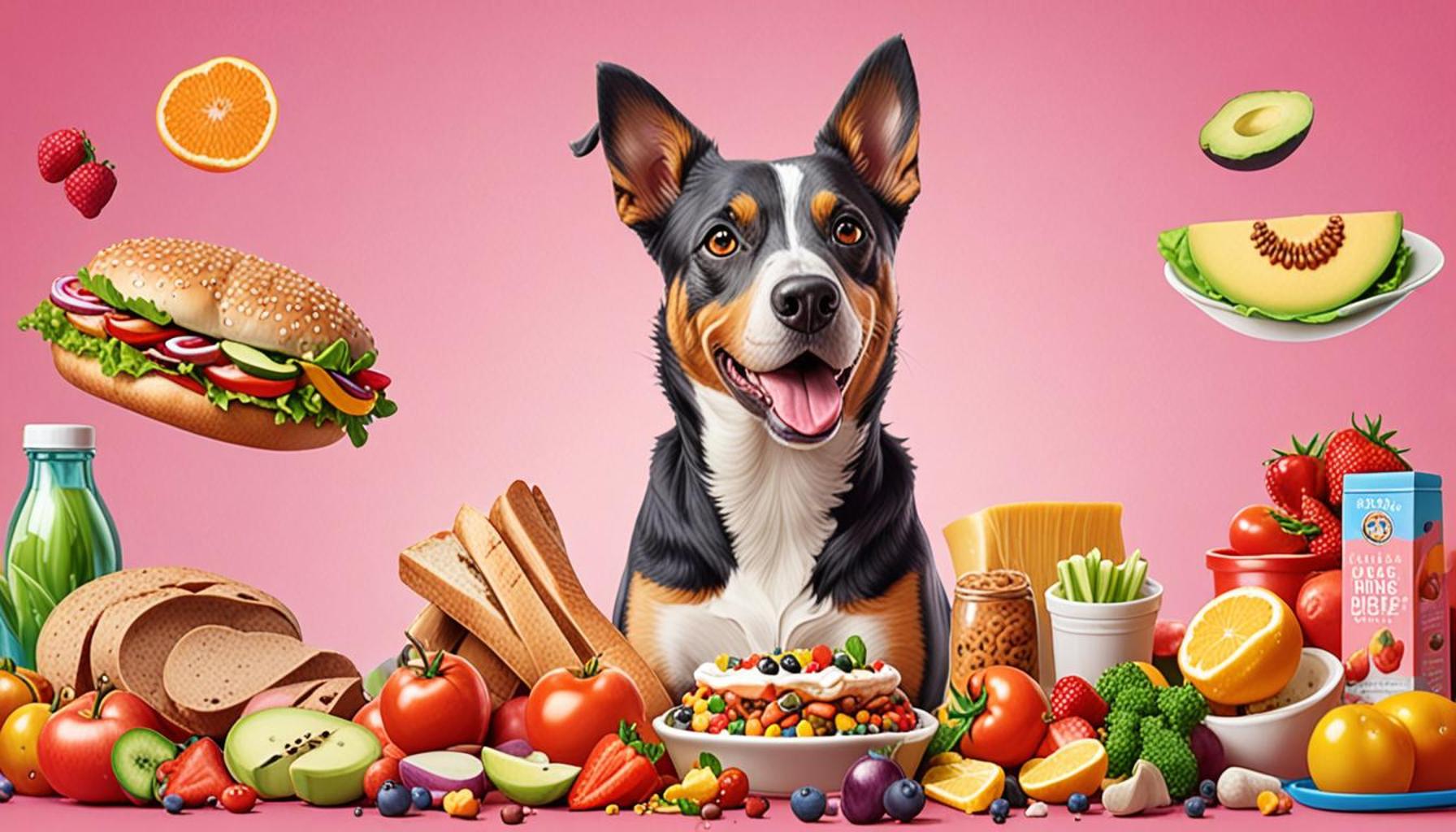
The Role of Holistic Nutrition in Preventing Diseases in Pets
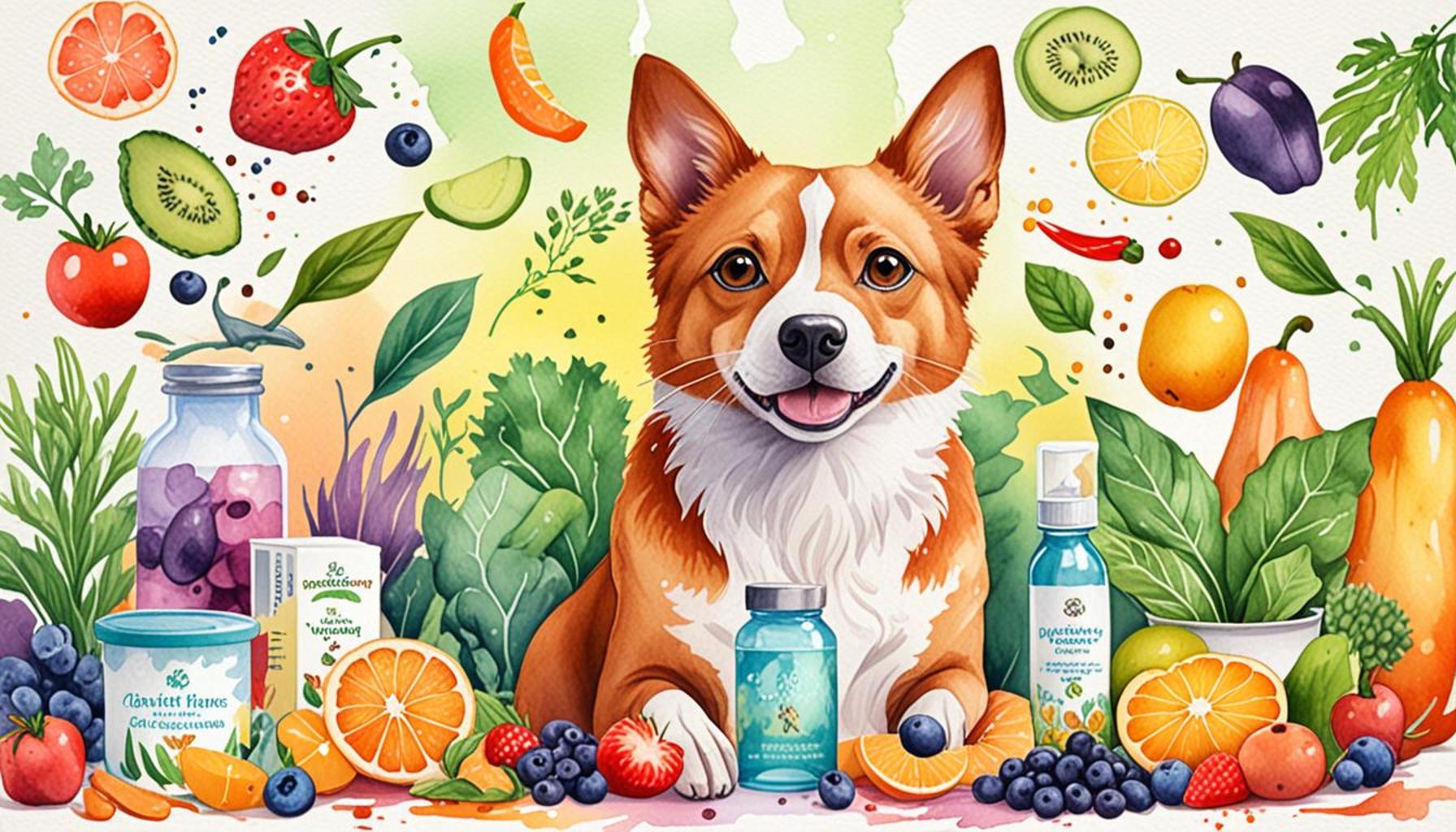
The Transformative Power of Holistic Nutrition for Pets
In today’s world, pet owners are increasingly recognizing the profound connection between diet and overall health. Just as humans benefit from a diverse array of nutrients, pets thrive on a balanced diet that supports their unique biological systems. Holistic nutrition emphasizes an integrative approach to pet food, focusing on nourishment that promotes optimal well-being and preventative health care.
Nutritional Balance
One of the cornerstones of holistic nutrition is the principle of nutritional balance. Just like a well-tuned orchestra, each nutrient plays a crucial role in the body’s symphony. Essential vitamins, minerals, proteins, carbohydrates, and fats must be present in the right proportions to ensure your pet’s health. For example, dogs require a specific ratio of protein to carbohydrates for energy and overall functionality. A standard rule may suggest about 15-30% protein and 30-70% carbohydrates for active dogs. Consulting with veterinarians or pet nutritionists can guide owners in understanding the right balance tailored to their pets’ specific needs.
Quality Ingredients Matter
Beyond balance, the quality of ingredients is paramount. Whole foods, such as fresh meats, vegetables, and grains, are often better than processed kibble blurred by artificial additives and fillers. For example, opting for organic chicken over a generic chicken meal can ensure your pet receives higher quality protein without harmful preservatives. Brands that prioritize sourcing ingredients from local and sustainable sources can often offer enhanced nutritional benefits for your furry friends.
Customized Diets for Individual Needs
No two pets are alike, and customized diets recognize this vital truth. Factors such as age, breed, size, and health status all dictate the specific dietary requirements of your pet. A senior dog may need a lower-calorie diet rich in fiber to support digestive health, while a growing puppy requires a nutrient-dense formula for proper development. Tailoring diets not only optimizes health but also aids in managing possible health conditions.

Supplementation and Wellness Practices
Holistic nutrition extends beyond mere food consumption; it includes supplementation with natural products that can further enhance a pet’s health. Omega fatty acids, probiotics, and herbal remedies can provide targeted benefits, such as promoting a shiny coat or aiding digestion. Moreover, wellness practices such as regular exercise and engaging playtime keep pets mentally and physically stimulated, essential for their overall happiness. Activities like agility training or puzzle toys can encourage cognitive development and prevent behavior issues.
The Role of Hydration
A crucial yet often overlooked aspect of a holistic approach is fresh water. Keeping your pet well-hydrated is essential for overall health, enhancing digestion, and promoting metabolic functions. Fresh, clean water should always be accessible and routinely changed to encourage hydration.
Ultimately, adopting a holistic approach to nutrition not only enhances physical health but also supports a pet’s emotional and mental well-being. By understanding the complexities of holistic nutrition, pet owners can make informed decisions, fostering healthier and happier lives for their beloved companion animals. With each step taken towards better nutrition, the bond between pet and owner can grow even stronger, reflecting a shared journey toward wellness and vitality.
DISCOVER MORE: Click here to learn about the benefits and challenges of natural pet food
Understanding the Connection Between Nutrition and Disease Prevention
The realm of holistic nutrition for pets serves not just to satisfy hunger, but also to act as a barrier against potential health issues. With the increasing prevalence of chronic diseases in pets, including obesity, diabetes, and heart conditions, an emphasis on preventive care through diet has never been more vital. Research indicates that what pets consume significantly influences their immune system and overall vitality, making holistic dietary practices a proactive strategy for safeguarding their health.
The Role of Antioxidants
A pivotal component of a holistic diet for pets centers around the inclusion of antioxidants. These powerful compounds counteract oxidative stress, a significant factor in the aging process and various diseases. Ingredients rich in antioxidants, such as blueberries, spinach, and sweet potatoes, can bolster your pet’s immune system, improve skin health, and even reduce inflammation. A diet that consistently incorporates these vibrant whole foods not only nurtures bodily systems but also fortifies defenses against ailments.
Understanding Common Nutritional Deficiencies
Many pet owners may not realize that common health issues stem from nutritional deficiencies. For instance, a lack of appropriate levels of essential fatty acids might lead to dry skin or a dull coat, while insufficient vitamin E can affect heart health. Recognizing these deficiencies is crucial; holistic nutrition encourages an enriched diet plan tailored to your pet’s individual needs. Regular consultations with a veterinarian or a certified animal nutritionist can unveil hidden deficiencies and suggest appropriate dietary adjustments.
Holistic Nutrition Versus Processed Diets
The choice between holistic nutrition and traditional processed foods can have profound effects on your pet’s wellness. Processed diets, often laden with artificial preservatives, fillers, and low-quality meats, can contribute to inflammation and long-term health issues. On the other hand, holistic nutrition redirects focus toward complete and natural ingredients. The differences make it imperative to consider the sources of a pet’s dietary intake; something as simple as shifting from a conventional dry food brand to a more natural, holistic option can yield substantial health benefits.
Key Benefits of Holistic Nutrition in Disease Prevention
Adopting a holistic approach to pet nutrition can lead to a multitude of benefits, including:
- Improved digestion: Balanced diets with high-quality ingredients promote digestive health.
- Weight management: Proper nutrition is essential in maintaining a healthy weight, preventing obesity-related diseases.
- Enhanced immune function: Nutrient-rich foods help bolster the immune system, making pets less susceptible to infections.
- Increased energy levels: Well-balanced meals provide the necessary energy for daily activities and play.
As we delve deeper into the intricacies of holistic nutrition, it becomes clear that preparing our pets’ diets with mindfulness can serve as a powerful tool against disease. Recognizing the significant connection between a pet’s diet and its health is the first step toward fostering a long, vibrant life. Understanding the fundamentals of holistic nutrition not only enhances a pet’s well-being but also strengthens the bond between pet and owner through shared commitment to health and happiness.
| Advantages | Key Features |
|---|---|
| Improved Digestive Health | Holistic nutrition integrates natural ingredients that promote gut health, aiding digestion and nutrient absorption. |
| Enhanced Immune Function | A balanced, whole-food diet boosts immunity through antioxidants and anti-inflammatory properties from fresh meats, fruits, and vegetables. |
| Weight Management | Holistic diets support a healthy weight by regulating portion sizes and avoiding fillers in pet food. |
| Reduced Risk of Chronic Diseases | Nutrition plays a key role in preventing diseases, particularly those linked to obesity and inflammation, such as diabetes and arthritis. |
Pet owners increasingly recognize the significance of holistic nutrition in fostering long-term well-being for their furry companions. By incorporating a diverse array of natural ingredients, pet owners are beginning to grasp how essential nutrition is not just for daily energy but for preventive health measures as well. The prevention of diseases like obesity-related diabetes or certain cancers can be a crucial goal achieved through a diet rich in nutrients and minimally processed foods. Moreover, holistic nutrition emphasizes the importance of individual dietary needs based on the pet’s age, breed, and existing health conditions. This customized approach not only enhances the quality of life but can also lead to substantial savings on veterinary bills over time, as health issues are addressed before they escalate. Therefore, becoming informed about holistic options opens up a world of possibilities for enhancing the health and longevity of pets.
LEARN MORE: Click here for tips on adopting pets during crises
Exploring Specific Nutritional Strategies for Optimal Pet Health
Taking the holistic nutrition route doesn’t merely involve avoiding processed foods; it encompasses a broad spectrum of dietary strategies tailored to foster wellness and prevent disease. By implementing specific practices, pet owners can empower their furry companions toward a healthier, more vibrant life.
Incorporating Whole Foods
One of the most effective aspects of holistic nutrition lies in the emphasis on whole, unprocessed ingredients. Foods such as lean meats, fresh fruits, and vegetables not only provide essential nutrients, but also deliver the needed fiber to enhance digestion. For instance, carrots and green beans can offer low-calorie snacks that contribute to a feeling of fullness while improving digestive health. Furthermore, incorporating whole grains like quinoa or brown rice can help maintain stable energy levels throughout the day, beneficial for both active and senior pets.
Personalized Diet Plans
Not every dog or cat has the same nutritional requirements. Factors such as breeds, age, weight, and activity levels warrant a personalized dietary blueprint. Engaging with a veterinarian or a certified animal nutritionist can help identify the ideal balance of macronutrients for your pet. For instance, an active breed may require higher protein levels for muscle maintenance, while a senior dog may benefit from added fiber and antioxidants to support digestive health and combat age-related diseases.
Supplements: Adding Nutritional Power
In addition to whole foods, specific nutritional supplements can play a pivotal role in enhancing overall health. Omega-3 fatty acids, commonly derived from fish oil, have been shown to have anti-inflammatory properties that can aid in skin health and joint mobility. Probiotics are another powerful tool, supporting gut health and boosting the immune system. These supplements can be especially beneficial for pets undergoing antibiotic treatment or dealing with gastrointestinal issues. Again, it’s essential to ensure that any supplement regimen is discussed with a veterinary professional.
Hydration: A Key Component
While often overlooked, adequate hydration is an integral aspect of holistic nutrition. Fresh, clean water should always be readily available, as proper hydration is essential for maintaining all bodily functions. Additionally, pet owners can consider incorporating wet food options into their pet’s diet to increase fluid intake while providing a host of other nutritional benefits. Dehydration can lead to conditions such as urinary tract infections and kidney disease, making vigilance in hydration essential for preventing disease.
Recognizing the Impact of Environmental Factors
The essence of holistic nutrition extends beyond just diet; it intertwines with environmental factors that affect a pet’s overall health. Minimizing exposure to toxins, such as pesticides or chemicals found in conventional cleaning products, can significantly support a pet’s immune system. Opting for eco-friendly home and grooming products can create a more health-conscious environment. Furthermore, high-quality sleeping arrangements can promote better rest, which is critical for recovery and overall vitality.
The integration of these specialized strategies within a holistic nutrition approach not only assists in the prevention of diseases but serves as a lifelong investment in your pet’s health. This deliberate approach to pet nutrition paves the way towards a symbiotic relationship, where both pets and their owners thrive hand in hand through informed dietary choices.
DISCOVER MORE: Click here for insights on veterinary telemedicine
Conclusion: Embracing Holistic Nutrition for a Healthier Future
In summary, the role of holistic nutrition in preventing diseases in pets cannot be overstated. By nurturing our furry companions with a well-rounded diet rich in whole foods, personalized meal plans, vital supplements, and proper hydration, pet owners are empowered to proactively manage their pets’ health and enhance their quality of life. Each of these elements contributes significantly to building a strong foundation for overall wellness, emphasizing that prevention is far more effective than treatment.
Moreover, the holistic approach extends beyond dietary considerations, highlighting the importance of creating a safe and healthy environment. By curbing exposure to toxins and prioritizing comfort, pet owners can further bolster their pets’ immune systems, effectively safeguarding them against various illnesses.
As we stand on the cusp of a deeper understanding of animal nutrition, it is crucial to remain open to new information and advances in the field. Continued research and collaboration with veterinary professionals will only enrich our knowledge, leading to better care strategies for our beloved pets. Ultimately, embracing holistic nutrition is not just a method; it’s a lifestyle choice that promotes longevity and vibrant health, enabling our pets to live their best lives.
Let this holistic journey inspire pet owners everywhere to make informed decisions that serve not just their pets’ immediate needs, but their long-term health as well. The choice to adopt a holistic nutritional approach is a powerful step toward a healthier, happier future for our furry family members.