The Influence of Diet on Pet Behavior
The Profound Impact of Diet on Pet Behavior
The bond between pets and their owners is profound, yet it can be influenced by many factors, including diet. For pet owners, the responsibility to provide the best nutrition goes beyond merely filling a bowl; it encompasses a deep understanding of how different foods impact their beloved companions.
The dietary choices you make for your pet can significantly shape their mood, energy levels, and overall behavior. Numerous studies reveal that the relationship between nutrition and behavioral issues in pets is more intertwined than many might think. For instance, a proper diet can help mitigate certain negative behaviors and promote a calm, happy disposition.
- Aggression can be exacerbated by imbalanced diets. Research indicates that dogs fed a diet low in omega-3 fatty acids may exhibit increased aggression. Omega-3s, found in fish and flaxseed, are vital for brain function and can mitigate stress responses.
- Hyperactivity is often linked to high sugar content in pet food. Many commercial pet foods contain added sugars, which can lead to short bursts of energy followed by crashes, resulting in hyperactive behavior. Selecting foods with balanced carbohydrates can lead to a more stable energy level.
- Anxiety may stem from nutritional deficiencies. Pets lacking essential vitamins and minerals, such as B vitamins and magnesium, may display heightened anxiety levels. Owners can support their pets with diets rich in these nutrients.
Understanding what goes into your pet’s food is crucial for fostering a well-behaved companion. The right mix of nutrients can lead to:
- Improved mood and temper. Pets receiving balanced nutrition tend to experience fewer mood swings. For example, a less anxious cat is often more playful and engages better with family members.
- Better focus and engagement. Dogs fed diets rich in protein and essential fatty acids show marked improvements in their ability to learn commands and play games, leading to more fulfilling interactions with their owners.
- Enhanced social interactions with people and other pets. Well-nourished pets are often more approachable and friendly, which can lead to improved socialization opportunities at parks and during playdates.
In the quest for happier, healthier pets, understanding the science behind dietary choices is essential. As pet owners, it’s crucial to scrutinize ingredient labels and choose high-quality foods tailored to meet the specific needs of different breeds and ages. Consulting a veterinarian for personalized dietary advice can lead to groundbreaking changes in your pet’s behavior.
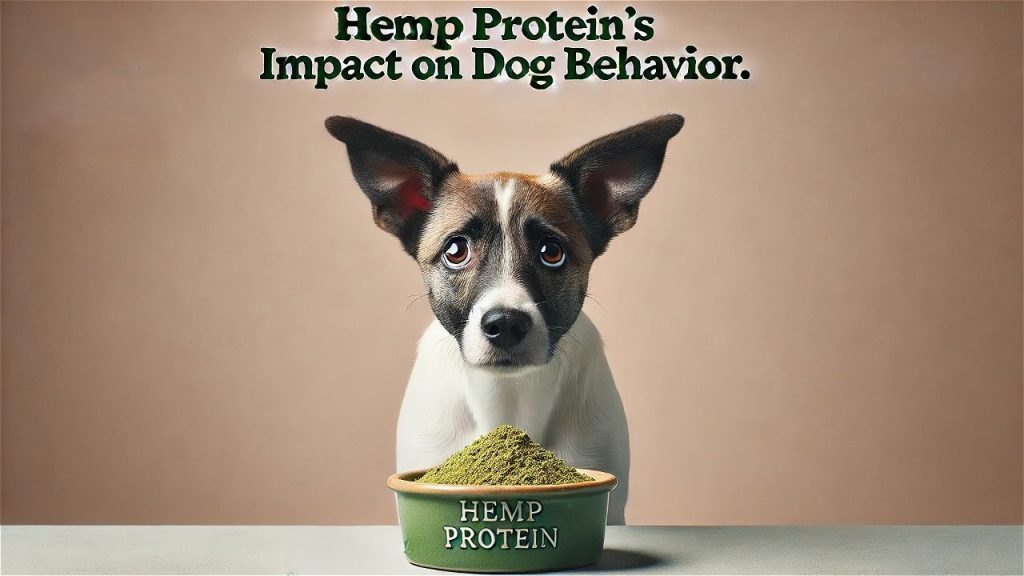
Join us as we delve deeper into how the right nutrition shapes pet behavior. By exploring the best dietary options for your four-legged friends, you can enhance not just their health, but your shared quality of life, ensuring that the bond you cherish becomes even stronger.
DISCOVER MORE: Click here to learn about essential pet nutrition
The Science Behind Nutrition and Behavior
As pet owners strive to create a harmonious environment for their furry friends, understanding how nutrition influences behavior is paramount. At the core of this relationship lies the complex interplay between dietary components and how they affect the brain and body functions of pets. For instance, protein, a critical nutrient, forms the building blocks for neurotransmitters – the brain’s chemical messengers. A diet lacking in adequate protein can lead to deficiencies in these vital neurotransmitters, resulting in behavioral issues such as irritability or apathy.
Moreover, certain vitamins and minerals play pivotal roles in emotional regulation. For example, omega-3 fatty acids are known not only for their physical health benefits but also for their impact on mood. Diets rich in these fatty acids have been associated with decreased aggressive behaviors in dogs and improved overall well-being. This remarkable connection invites pet owners to recognize the significance of a wholesome diet as a means to foster desired behaviors.
Besides macro and micronutrients, additives present in commercial pet food can also contribute to behavior changes. Some studies indicate that artificial colors and preservatives may trigger hyperactivity or anxiety in susceptible pets. Recognizing these components is crucial for making informed dietary choices. Here are a few common ingredients to watch out for when selecting your pet’s food:
- Artificial flavors and colors: These additives can affect pets differently; certain dogs and cats may be more sensitive, resulting in increased hyperactivity.
- High sugar content: As previously mentioned, excessive sugar can lead to spikes in energy followed by crashes, affecting a pet’s mood and behavior.
- By-products: Low-quality protein sources, often labeled as “meat by-products,” might not provide sufficient nutrition, possibly leading to behavioral issues stemming from lack of energy or health.
Additionally, dietary fiber plays an essential role in maintaining digestive health, which is linked to overall behavior. A healthy gut flora contributes not only to a pet’s physical health but also to its mental well-being. Recent studies suggest that there is a strong connection between gut health and behavior, as an unhealthy gut can lead to anxiety and stress responses.
By understanding these dietary influences, pet owners can become more discerning about the foods they choose. A balanced, nutrient-rich diet can significantly transform a pet’s behavior and emotional health. It’s clear that feeding your pet high-quality, tailored food is more than just a routine task; it’s an investment in their happiness and a key factor in enhancing their overall quality of life.
In conclusion, the link between diet and pet behavior is not to be overlooked. Careful consideration of the food you provide can lead to substantial improvements in your pet’s mood and behavior, paving the way for a healthier, happier companionship.
| Category | Details |
|---|---|
| Nutritional Balance | A complete diet promotes overall mental health and mood stabilization. |
| Behavioral Improvements | Proper diet can lead to reduced anxiety and aggression in pets. |
Understanding the impact of nutrition on pets is crucial for pet owners looking to enhance their furry companions’ health and behavior. The right balance of nutrients not only fosters physical well-being but can also significantly influence a pet’s temperament and mood.For instance, foods rich in omega-3 fatty acids have been shown to positively affect cognitive function and reduce anxiety, which can be particularly beneficial for pets showing signs of stress. Meanwhile, diets that are overly processed or lacking in essential vitamins and minerals may lead to hyperactivity or irritability.Moreover, the timing of meals can also play a role in behavior. Establishing a consistent feeding schedule can help pets feel more secure and less anxious, ultimately leading to a more settled demeanor. Monitoring food reactions is equally important; some pets may have sensitivities that provoke negative behaviors if ignored.In essence, the right dietary choices are not just about health; they are pivotal in shaping a pet’s overall behavior, leading to harmonious interactions between pets and their owners.
DISCOVER MORE: Click here for vital pet adoption tips during crises
Food Sensitivities and Behavioral Changes
A growing body of research highlights the impact of food sensitivities on pet behavior, pointing to the importance of recognizing how specific ingredients might create adverse reactions in our pets. Just like humans, animals can develop intolerances or allergies to common food components. These reactions often manifest in behavioral changes, such as increased aggression, anxiety, or withdrawal.
For example, many pet owners may not realize that common ingredients like corn, soy, and wheat can lead to gastrointestinal discomfort in sensitive dogs or cats. This discomfort often translates into irritability or excessive barking as the animal struggles to communicate its distress. Conversely, eliminating these ingredients from the diet can lead to remarkable improvements, showcasing the power of nutrition in shaping behavior. Observing a pet’s demeanor after making dietary adjustments can provide critical insights into their sensitivities.
The Role of Diet in Training and Socialization
The diet may also play a crucial role in the training process. Behavioral experts often note that high-quality protein sources can enhance a pet’s ability to learn commands and socialize effectively. Proteins support brain functions that relate directly to cognitive performance. For instance, dogs fed premium dog food with real meat as the first ingredient have shown increased attentiveness and willingness to engage during training sessions. Such engagement not only enhances learning but positively reinforces behavior, creating a virtuous cycle of training success.
Moreover, the right nutrients can have a calming effect on pets, aiding in successful social interactions. For example, diets enriched with L-theanine and other calming supplements can help reduce anxiety in reactive dogs, promoting better behavior during social situations. This highlights how dietary decisions can support not just a pet’s physical health but also their social dynamics—an essential consideration for both pets and their owners.
Impact of Feeding Routines
Aside from the content of the food, the feeding routine itself can influence behavior. Regular feeding schedules provide pets with a sense of stability and security, which can mitigate anxiety-related behaviors. Pets that are fed at inconsistent times may experience stress, leading to food guarding or over-excitement during mealtimes. Establishing a consistent feeding routine can improve emotional well-being and support better behavior management.
Additionally, engaging pets during mealtime through interactive feeding tools, such as puzzle feeders, can stimulate their minds and curb destructive behaviors. These tools not only motivate pets to work for their food but also appease their natural instincts to forage, providing mental enrichment that enhances overall mood and satisfaction.
The Connection Between Weight and Behavior
Weight is another vital factor to consider when discussing the influence of diet on behavior. Obesity is a common issue among pets, particularly in the United States, where it is estimated that around 56% of dogs and cats are overweight or obese. This excess weight can lead to discomfort and health complications, which amplify negative behaviors such as irritability or low energy. Maintaining an ideal weight through a balanced diet and appropriate portion sizes can lead to a notable improvement in a pet’s overall temperament.
By closely analyzing diet, identifying food sensitivities, and establishing healthy routines, pet owners can significantly influence their pets’ behaviors, promoting a happier and more fulfilling life for both parties involved.
DISCOVER MORE: Click here to learn about essential pet nutrition
Conclusion: Unlocking the Connection Between Diet and Pet Behavior
In conclusion, the impact of diet on pet behavior is profound and multifaceted. Understanding how various components such as food sensitivities, the quality of nutrients, and feeding routines converge can help pet owners make informed decisions that enhance their furry companions’ well-being. As outlined in this article, ingredients that provoke allergies or sensitivities can lead to significant behavioral issues, while a balanced diet featuring high-quality proteins and calming supplements can support brain function, social skills, and overall mood.
Moreover, maintaining a consistent feeding schedule is critical in fostering a sense of security, helping to reduce anxiety and promote positive behaviors. The challenge of obesity in pets further underscores the importance of dietary choices, as appropriate weight management can lead to notable behavioral improvements, allowing pets to be more active and engaged.
As pet owners, it becomes imperative to stay vigilant about what and how we feed our pets, recognizing that their physical health directly influences their emotional and behavioral states. Engaging with veterinarians or pet nutritionists can provide valuable insights tailored to individual pets’ needs. By prioritizing diet, we not only enrich the lives of our beloved pets but also cultivate stronger bonds through improved interaction and understanding. As we continue to uncover the intricate relationship between nutrition and behavior, it is clear that a conscientious approach to feeding our pets has the power to lead to happier, healthier, and more harmonious lives.