The Importance of Socializing Puppies for Healthy Behavior

Understanding Puppy Socialization
Socializing puppies is a crucial element in their development, significantly influencing their behavior as they grow. Proper socialization can lead to well-adjusted dogs that are comfortable in various environments and situations. Without it, puppies may develop behavior issues that could lead to anxiety, fear, and aggression.
Why Socialization Matters
Early socialization has numerous benefits, which are essential for every puppy’s development journey. One of the most prominent benefits is reducing fear. By exposing puppies to a diverse range of people, animals, and environments during their critical developmental period, they learn what to expect and feel more secure in unfamiliar situations. For example, a puppy that has had positive interactions with people of different ages, ethnicities, and physical appearances is less likely to react fearfully when encountering new people as an adult.
Another significant advantage of socialization is its role in encouraging confidence. Puppies that are introduced to new experiences at a young age are more likely to approach unfamiliar situations with curiosity rather than fear. For instance, a puppy that frequents a busy dog park will likely gain confidence around other dogs and strangers, rather than developing anxiety about them. This sense of confidence translates into a happier, more well-adjusted adult dog who can navigate daily life with ease.
Additionally, socialization enhances training. A well-socialized dog is typically more responsive to commands and training techniques, making it easier for owners to instill manners and obedience. For example, a puppy who has been socialized may better handle distractions in public when learning commands like “sit” or “stay,” as they are accustomed to a variety of stimuli.
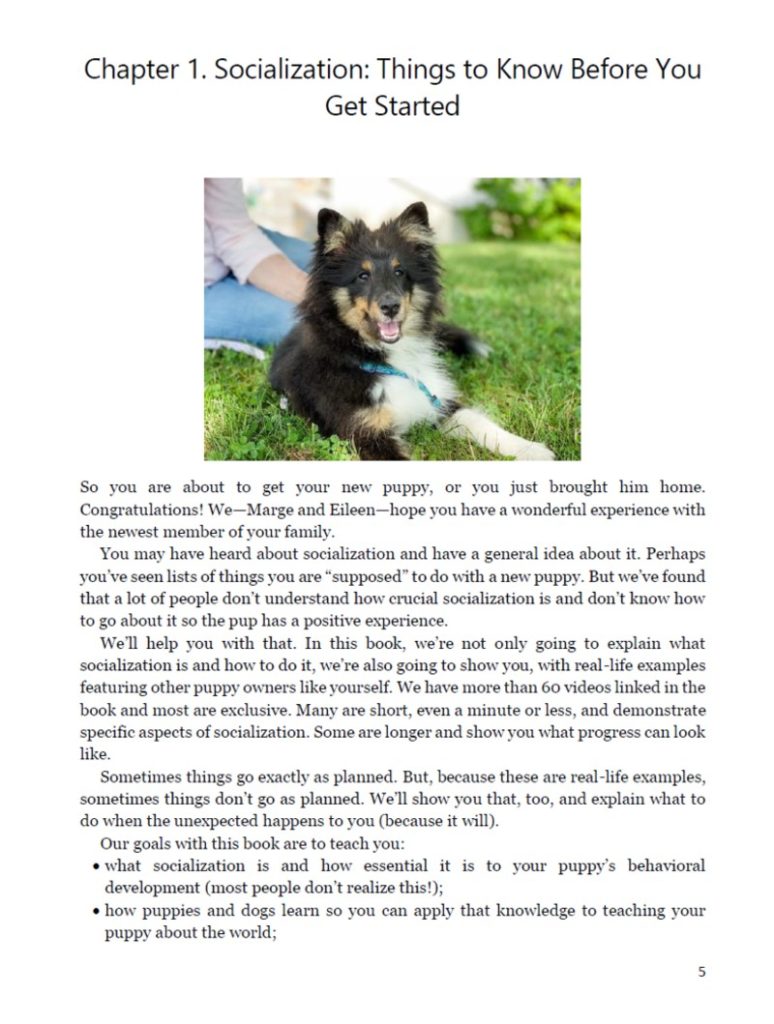
To capitalize on these benefits, it’s essential to begin socializing puppies between 3 to 14 weeks of age when they are most receptive. Engaging activities can include:
- Playdates with other vaccinated dogs, helping them learn proper canine etiquette.
- Visits to parks, pet stores, or dog-friendly events, allowing exposure to different environments and people.
- Exposing them to various sounds, scents, and sights, such as car horns, vacuum cleaners, and busy streets, to desensitize them to common urban sounds.
In the United States, puppy classes are widely available, providing structured environments for safe socialization. These classes often allow puppies to interact with each other under the supervision of trainers who can guide play and ensure positive experiences. Not only do these experiences enhance a puppy’s behavior, but they also prepare them for a lifetime of companionship and positive interactions.
In conclusion, the importance of puppy socialization cannot be overstated. It lays the groundwork for a lifetime of happiness and well-being, ensuring that our furry friends grow up to be not only our companions but also well-adjusted members of our communities. Taking the initiative to actively socializing your puppy will ultimately lead to a more fulfilling relationship and a healthier, happier dog.
LEARN MORE: Click here for essential pet care tips
The Role of Early Experiences in Puppy Development
One of the most captivating aspects of puppy socialization is how it lays the foundation for a dog’s social blueprint. The critical socialization period for puppies occurs between 3 and 14 weeks of age, a time when their brains are developing rapidly and they are most receptive to new experiences. During this time, the impressions and interactions they have can shape their attitudes towards the world around them. Studies highlight that puppies adequately socialized within this timeframe are less likely to display behavioral problems later in life, making it an essential phase in their development.
The concept of exposure plays a significant role in socializing puppies. Greater exposure to diverse stimuli—different people, pets, environments, and situations—promotes adaptability in adult dogs. For instance, a well-socialized puppy accustomed to various settings, such as bustling urban streets or quiet parks, is more likely to maintain composure in those environments later. Conversely, if a puppy is deprived of these experiences, it may struggle with high-stress situations and exhibit fear-based responses. It’s noteworthy that research from the American Kennel Club (AKC) suggests that over 50% of behavioral issues stem from a lack of proper socialization.
In addition to exposure, positive interactions are imperative during this formative stage. Puppies need to experience gentle handling by people of different ages, and they should also engage in play with appropriately vaccinated, socialized dogs. These interactions can help them learn vital social cues and communication skills. For instance, a young dog that engages in puppy playgroups will absorb lessons on acceptable play behavior, restraint, and conflict resolution. Skills learned during this stage can result in less frequent misunderstandings and aggressive behavior in adulthood.
To achieve effective socialization, here are some strategies to consider:
- Regular Interaction: Schedule playdates with other puppies or friendly adult dogs to foster social skills.
- Obedience Classes: Enroll your puppy in training courses that also emphasize socialization, ensuring they learn commands alongside interacting with other dogs.
- Exploration Trips: Take your puppy on varied excursions, such as visits to the local farmer’s market or community events, allowing them to experience bustling environments.
- Sound Desensitization: Gradually expose your puppy to common sounds like traffic, thunder, or music while engaging in positive activities to help lessen anxiety.
Puppy owners can tap into community resources, such as pet clubs, local parks, and even virtual meet-ups, to expand their puppy’s social horizons. Offering a range of exposures not only enhances their social skills but also contributes to a sense of security. Ultimately, it is essential to target opportunities for socialization that suit the individual needs of your puppy, providing the right balance of comfort and challenge.
Recognizing the role of early experiences in a puppy’s development can lead to both immediate and long-term positive outcomes, paving the way for a well-tempered, confident dog ready to embrace the world around them. The connections forged during this critical period can greatly influence their behavior, laying the groundwork for a harmonious life with their human companions.
| Category | Details |
|---|---|
| Behavioral Development | Socializing puppies drastically reduces anxiety and fearful behavior when they encounter new people or situations. |
| Learning Opportunities | Early socialization exposes puppies to various stimuli, helping them learn appropriate reactions to their environments. |
| Enhanced Interactions | Regular interactions with other dogs and people improve their communication skills, leading to better relationships. |
| Avoiding Behavioral Issues | Proper socialization can prevent future problems such as aggression or excessive barking, which stems from fear and lack of experience. |
Puppies, much like human infants, require exposure to new experiences to develop healthy behaviors. Socializing puppies is not just about play; it’s a critical aspect of their upbringing that shapes how they interact with their environment throughout their lives. It’s proven that early interactions enhance a puppy’s ability to cope with new situations, leading to a more confident adult dog. The sooner they learn the ropes of social interactions, the easier it becomes to manage their behaviors later. Engaging in organized puppy play sessions or taking them to pet-friendly events can offer them the enriching experiences they need to thrive.
DIVE DEEPER: Click here to discover effective techniques
Understanding the Impact of Puppy Socialization on Adult Behavior
As puppies grow, the benefits of their early socialization extend far beyond the crucial weeks of their formative development. A well-socialized puppy is not just better equipped to handle diverse situations but also demonstrates a range of healthy behaviors as an adult. One of the critical aspects of socialization is its role in reducing anxiety and the risk of aggression in dogs.
Statistical data reveals a striking correlation between a lack of socialization and behavioral issues. According to a study published in the Journal of Veterinary Behavior, over 40% of dogs display anxiety-related behavior stemming from inadequate early experiences. Dogs that fear novel experiences may resort to aggression as a defense mechanism, which can lead to dangerous encounters with people or other animals. By fostering positive interactions with various stimuli, owners can significantly mitigate these anxiety-induced responses.
Moreover, the concept of fear-based aggression illustrates the pressing need for appropriate social exposure. As puppies learn to interact with different breeds, sizes, and temperaments, they develop essential coping mechanisms that will benefit them throughout their lives. A puppy that has explored a variety of social contexts is more likely to remain calm when faced with unfamiliar situations, such as encountering a leashed dog during a walk or experiencing sudden loud noises.
Indeed, socialization plays a pivotal role in shaping not just behaviors but also a dog’s emotional intelligence. Well-socialized puppies are better equipped to read other dogs’ body language and respond appropriately. This ability to interpret signals helps avoid misunderstandings and reduces the likelihood of conflicts. For example, a puppy taught to recognize signs of playfulness in another dog is less likely to engage in overly aggressive behavior, fostering smoother interactions as they mature.
Furthermore, early socialization offers long-term psychological benefits. Puppies exposed to a variety of experiences are often more adaptable as adults, leading to a more balanced temperament and an overall increase in their quality of life. For instance, dogs that learn to encounter new environments and situations with confidence are often calmer during stressful events, such as trips to the veterinarian or participation in dog-friendly activities, enhancing their overall well-being.
Owners can take several proactive steps to ensure ongoing socialization as their puppy grows. Here are some strategies to consider:
- Gradual Outings: Continue exposure beyond the initial weeks; consider varied outings to different locations—such as parks, pet-friendly stores, and outdoor events—to keep social skills fresh.
- Community Engagement: Participate in local dog clubs or organized play sessions that allow puppies and adult dogs to interact in a controlled and friendly environment.
- Field Trips: Engage in outdoor adventures, like hiking or beach excursions, where the puppy can explore new terrains and experiences, making them comfortable in diverse settings.
- Ongoing Training: Enroll in advanced training classes or socialization programs throughout the dog’s life, reinforcing learned behaviors and encouraging continual interaction with peers.
Through these practices, owners can create a world of positive reinforcement, lending themselves to a dog that not only embraces interaction but thrives in diverse environments. Understanding how deeply socialization impacts adult behavior not only enlightens owners but also empowers them to cultivate healthier and happier canine companions.
DISCOVER MORE: Click here to learn effective techniques
Conclusion: Embracing Socialization for a Bright Canine Future
In summary, the importance of socializing puppies cannot be overstated; it lays the foundation for a lifetime of healthy behavior and emotional well-being. Early socialization equips puppies to confront and navigate the complexities of the world around them, significantly reducing the risk of anxiety and aggression. As we have explored, the statistics reveal alarming trends, with over 40% of dogs displaying anxiety-related behaviors due to a lack of adequate early experiences. Through proactive socialization efforts, owners can mitigate these risks and foster a happier and more balanced canine companion.
Additionally, the lessons learned during puppyhood contribute profoundly to a dog’s emotional intelligence, which is crucial for harmonious interactions with both humans and other animals. As these puppies mature, they become more adaptable, helping them thrive in various environments and situations that life presents. It is essential for owners to engage in continuous socialization efforts and create opportunities for their dogs to grow into well-behaved adults.
Therefore, as serious pet owners, we must commit to understanding and prioritizing the socialization process. Whether through community engagement, gradual outings, or consistent training, the investment made in a puppy’s early social experiences transforms not only their behavior but enhances the joy of pet ownership. By fostering positive interactions, we not only ensure lifelong well-being for our canine friends but also enrich our lives as we share countless adventures with them. The journey of socializing begins with us—let’s embrace it!