The Effects of Grain-Free Diets on Pet Health
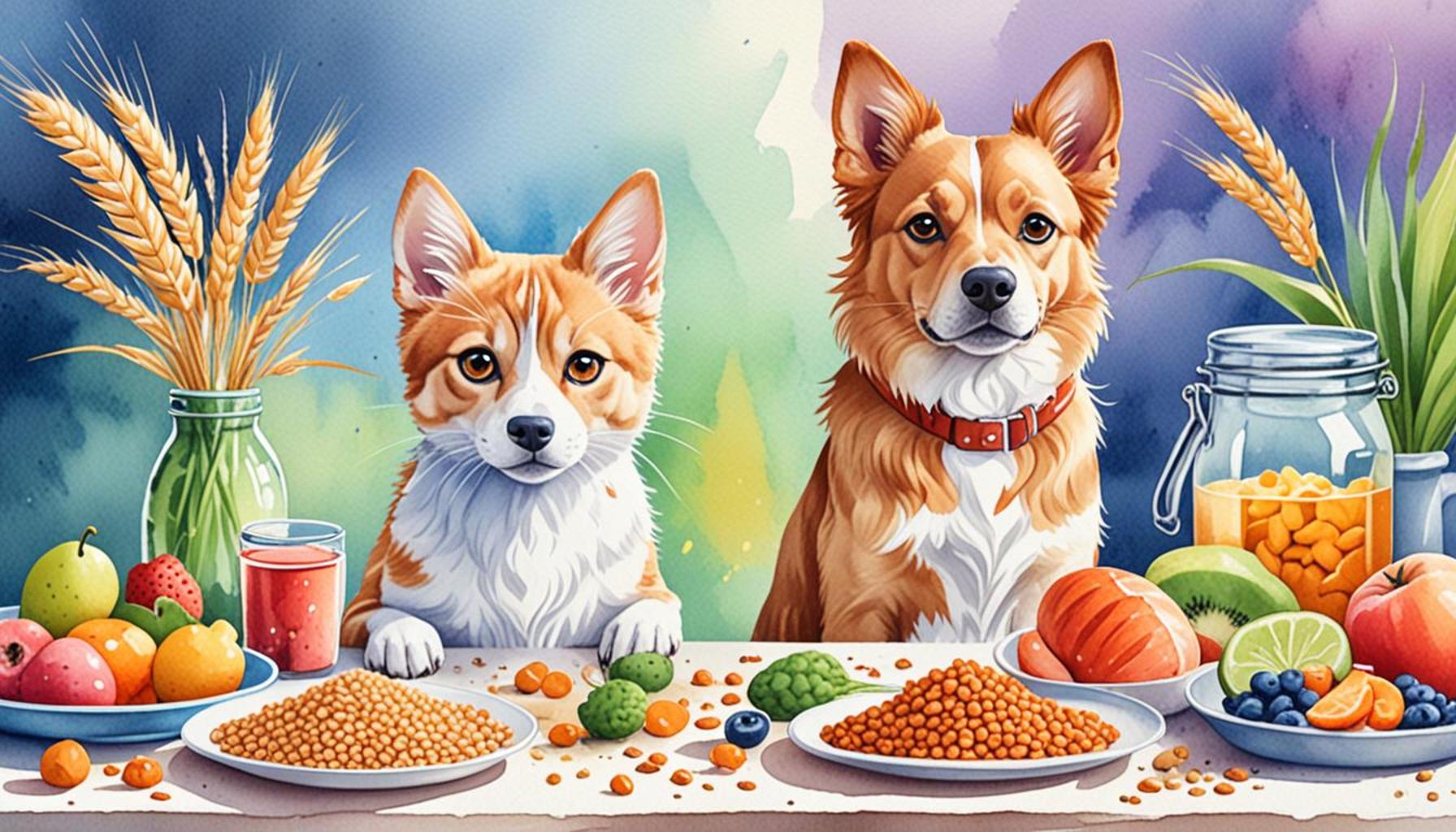
The Phenomenon of Grain-Free Diets in Pet Nutrition
In recent years, the popularity of grain-free diets for pets has surged dramatically among pet owners in the United States. This dietary trend stems from the belief that removing common grains such as wheat, corn, and rice can significantly enhance the overall health and vitality of our canine and feline companions. The advocates for these diets suggest that they can lead to better digestion, shinier coats, and increased energy levels. However, as the trend gains momentum, it becomes increasingly essential to evaluate the real effects of grain-free eating on pet health.
One key aspect to consider when delving into grain-free diets is the issue of nutritional balance. Grain-free formulations often substitute traditional grains with alternative carbohydrates like potatoes, lentils, and peas. While these alternatives can provide energy, they may not always deliver the same balance of nutrients that grains do. For example, grains are often fortified with essential vitamins and minerals that contribute to overall pet wellness. In some cases, the reliance on these alternative ingredients might lead to deficiencies in certain nutrients, potentially impacting a pet’s long-term health.
Another crucial point to explore is allergies and sensitivities. There are certainly pets that may benefit from grain-free options, particularly those with documented allergies to grains. Dogs, for instance, can display symptoms such as skin irritation, digestive issues, or ear infections due to a sensitivity toward certain grains. Under guidance from a veterinarian, switching to a grain-free diet might alleviate these issues and improve the quality of life for these pets. However, it’s vital for owners to have their pets diagnosed correctly before making such dietary changes.
Furthermore, increasing concerns about heart health have emerged in association with grain-free diets. Recent studies have pointed to a troubling rise in cases of dilated cardiomyopathy (DCM), a serious heart condition, particularly among certain breeds such as Golden Retrievers and Doberman Pinschers. Experts suggest that the high levels of potatoes and peas typically found in grain-free dog foods may contribute to this emerging health crisis. Pet owners should remain vigilant and consult their veterinarians to discuss any dietary changes, especially if their pets belong to breeds predisposed to DCM.
With the choice of diet having such a significant impact on pet wellness, it’s clear that further exploration into the long-term health implications of grain-free diets is warranted. As pet owners strive to make informed decisions, understanding the various factors influencing pet nutrition is crucial. Thus, the pertinent question arises: do grain-free options truly promote optimal health in pets, or are there hidden risks involved? Continued investigation into the complexities of pet diets will equip pet owners with valuable insights necessary to navigate this evolving landscape and make the best decisions for their furry friends.
DISCOVER MORE: Click here to learn about dog socialization
Understanding Nutritional Balance in Grain-Free Pet Diets
When contemplating the move to a grain-free diet for pets, one of the first considerations is the concept of nutritional balance. The core of any effective diet is its ability to supply essential nutrients needed for overall health. While grain-free options often make use of alternative carbohydrates like sweet potatoes, chickpeas, and lentils, pet owners must evaluate whether these ingredients provide the same benefits as traditional grains. Notably, grains such as oats and brown rice are often fortified with vitamins, minerals, and fiber, which play a vital role in maintaining digestive health and overall well-being.
Moreover, the reliance on alternative carbohydrate sources raises important questions about potential nutrient deficiencies. A study published in the Journal of Veterinary Internal Medicine indicates that dogs on grain-free diets may experience exposure to inadequate levels of crucial nutrients like B vitamins and omega-3 fatty acids. Such deficiencies can manifest in various health issues, including skin problems, poor coat quality, and diminished energy levels. Pet owners must ensure that their pets receive a balanced diet rich in all necessary nutrients, potentially leading them to consult with a veterinary nutritionist to formulate the optimal meal plan.
Allergies and Sensitivities: Is a Grain-Free Diet the Solution?
Another critical aspect worth examining is the impact of grain-free diets on pets with specific allergies and sensitivities. Just as in humans, pets can experience adverse reactions to certain food components, including grains. Dogs might exhibit symptoms such as itchy skin, gastrointestinal disturbances, and chronic ear infections if they are sensitive to grains. In these cases, a grain-free diet may provide substantial relief and improve their overall quality of life. However, it is crucial for pet owners to engage with veterinarians for accurate diagnoses and tailored diet recommendations.
- Skin irritation: Often a sign of an allergy, typically identified through vet diagnosis.
- Digestive issues: Symptoms may include vomiting, diarrhea, or irregular bowel movements.
- Ear infections: Recurring infections can also be linked to dietary sensitivities, including grains.
For some pets, the switch to a grain-free formulation can be transformative. Yet, the real challenge lies in proper diagnosis and understanding the underlying cause of symptoms. Consequently, pets that do not have grain sensitivity may not benefit from such diets, leaving the responsibility with the owner to make educated dietary choices that suit their pet’s individual needs.
Potential Concerns Surrounding Heart Health
While the quest for a better diet may stem from a desire to enhance pet health, emerging evidence suggests that grain-free diets could have unintended consequences, particularly regarding heart health. Recent veterinary research has indicated a correlation between grain-free diets and increased incidences of dilated cardiomyopathy (DCM), a serious heart condition often found in breeds predisposed to this disease. Investigators have raised alarms about the high concentrations of potatoes, lentils, and peas commonly found in grain-free dog foods. As this research continues to evolve, pet owners must remain vigilant and discuss potential dietary modifications with their veterinarians, especially if their dogs belong to at-risk breeds.
As we navigate these complexities in pet diets, recognizing the impacts of grain-free options on nutritional balance, allergies, and heart health is essential. In an increasingly health-conscious pet community, making informed choices is vital to safeguarding and promoting the well-being of our furry companions.
The Effects of Grain-Free Diets on Pet Health
As pet owners increasingly gravitate towards grain-free diets, it is imperative to understand both the potential benefits and risks involved. This dietary trend often emphasizes high protein content and the inclusion of alternative carbohydrates, such as peas, lentils, and sweet potatoes. An intriguing aspect of grain-free diets is their impact on certain health conditions. Some pets, especially those with known allergies or sensitive stomachs, may experience an improvement in their symptoms. This dietary shift can lead to a reduction in skin irritations, digestive issues, and a healthier coat, as the body may better tolerate these alternative ingredients.However, recent investigations have raised concerns about potential links between grain-free diets and specific health risks, notably dilated cardiomyopathy (DCM). This heart condition has been reported in dogs consuming a primarily grain-free diet high in certain types of pulses and legumes. Pet owners are urged to remain attentive to their pets’ health as they introduce such diets and consult with veterinarians for personalized advice tailored to their pets’ unique nutritional needs.To further explore these complexities, consider examining factors such as ingredient sourcing, overall dietary variety, and observing any physical changes in your pet after changing their diet. It’s essential to navigate these dietary choices carefully, as the implications on pet health can vary significantly from one animal to another.
| Health Condition | Impact of Grain-Free Diet |
|---|---|
| Skin Allergies | Reduced irritation and improved coat quality. |
| Digestive Problems | Less bloating and more stable digestion reported in some pets. |
| Heart Health | Increased risk of DCM associated with high legume diets. |
DISCOVER MORE: Click here to learn about enhancing your pet’s happiness
Evaluating Protein Sources in Grain-Free Diets
In grain-free pet diets, the choice of protein sources is a vital factor that can significantly influence overall health. Typically, these diets emphasize animal-based proteins, which are often seen as optimal for canine and feline nutrition. Common ingredients include chicken, beef, and fish, potentially providing high-quality amino acids essential for muscle development and overall energy. However, it is crucial not to overlook the authenticity and sourcing of these proteins since lower-quality components can lead to health issues over time.
Furthermore, the protein content in grain-free diets tends to be much higher than in their grain-inclusive counterparts. Research published in the Journal of Animal Science highlights that excessively high protein levels can lead to nutritional imbalances, particularly in animals already predisposed to certain health conditions like kidney disease. These conditions necessitate a well-balanced intake of protein rather than an over-reliance on meat-based options.
Additionally, the digestibility and bioavailability of these protein sources can vary significantly. For instance, certain low-quality proteins may not be as easily absorbed by pets, leading to suboptimal nutrient uptake. Pet owners should seek out diets that contain a combination of high-quality meats along with moderate levels of other nutrients, ensuring that their pets can digest and utilize the protein effectively.
Long-Term Impact of Grain-Free Diets on Weight and Activity Levels
The long-term effects of grain-free diets on a pet’s weight and activity levels are another essential aspect to consider. Advocates of grain-free feeding often cite improved energy levels and healthy body composition. Nevertheless, these benefits hinge upon careful monitoring of caloric content and appropriate portion sizes. Grain-free diets may deliver more calories if potato or pea-based carbohydrates replace grains, leading to potential weight gain if owners do not adjust feeding quantities accordingly. The Association for Pet Obesity Prevention highlights that nearly 60% of dogs in the U.S. are classified as overweight or obese, emphasizing the need for vigilance in managing dietary inputs.
Moreover, the lack of fiber found in some grain-free formulations can hinder proper digestive health. A diet rich in fiber supports safe weight management by promoting a feeling of fullness, reducing the risk of overeating, and facilitating regular digestion. As a result, many pet owners may unintentionally overlook the importance of including an adequate source of fiber, which can lead to digestive issues or weight gain.
Cultural Trends Influencing Grain-Free Diet Popularity
The rising trend of grain-free diets can be attributed to shifting cultural perceptions and practices regarding pet care. As more information becomes available about pet nutrition, including the potential benefits of natural diets, owners are increasingly looking for options that align with a perceived notion of healthiness. Markedly influenced by the humanization of pets, where animals are treated more like family members, many owners are captivated by marketing claims of premium ingredients and allergen-free meals.
However, it is essential for pet owners to separate fact from fiction and critically analyze these marketing strategies. Experts suggest that the popularity of grain-free diets is partly based on misconceptions surrounding grains and animal health. For example, many advertising campaigns promote grain-free options as the ultimate solution for allergies and sensitivities, overshadowing scientific perspectives that indicate that individual reactions to specific ingredients may vary significantly from one pet to another.
In conclusion, the intricate dynamics surrounding protein sources, weight management, and cultural influences create a landscape where pet owners must remain vigilant in their dietary choices for their furry companions. Understanding these elements of grain-free diets is essential for ensuring optimal pet health and well-being as we navigate the ongoing discourse around grain-free formulations.
DISCOVER MORE: Click here to find out how to adopt safely
Final Thoughts on Grain-Free Diets and Pet Health
As we explore the multifaceted world of grain-free diets, it becomes evident that these feeding trends carry both potential benefits and pitfalls. While many pet owners are drawn to the allure of high-quality animal proteins and the perception of healthier, more natural options, it is crucial to approach these diets with a discerning eye. Pet health is influenced not only by the type of food but also by its nutritional balance, digestibility, and individual needs.
Research indicates that monitoring protein sources and managing caloric intake are essential elements in maintaining optimal body weight and energy levels. Additionally, fiber content cannot be overlooked, as it plays a significant role in digestive health and weight management. Understanding your pet’s unique requirements is paramount in customizing their diet for longevity and vitality.
Moreover, the cultural trends driving the grain-free movement warrant critical examination. With marketing campaigns touting the superiority of these diets, pet owners should equip themselves with accurate information and consult veterinary professionals to ensure they are making well-informed decisions for their furry companions. Separating myth from reality is vital in fostering not just healthier pets, but also a holistically-informed community of pet owners dedicated to their animals’ well-being.
In conclusion, navigating the effects of grain-free diets requires a comprehensive and thoughtful approach. Stay informed, vigilant, and proactive, and you’ll be on the right path to promoting optimal health for your beloved pets.