Preventive Care for Pets Vaccination Dental Health Guide
Understanding Preventive Care for Pets
In the ever-evolving world of pet care, preventive measures are crucial in ensuring the health and longevity of our furry companions. Among the plethora of upkeep responsibilities, vaccination and dental health stand out as two of the most effective ways to ward off serious illnesses and promote overall well-being. Pet owners must prioritize these aspects to not only shield their pets from common diseases but also to avoid costly health issues in the future.
Why Focus on Vaccination and Dental Health?
- Vaccination protects against life-threatening illnesses, making it essential for every pet owner.
- Dental health directly affects your pet’s quality of life, impacting everything from eating habits to heart health.
<liRoutine care in these areas leads to a longer, happier life for pets.
As we delve deeper, we’ll explore the Top 5 preventive care practices that every pet owner should know. This guide will not only illuminate the importance of vaccinations and dental care but will also equip you with actionable steps to implement these vital practices in your pet’s routine.
Top 5 Preventive Care Measures: Vaccination and Dental Health in Pets
Owning a pet is a journey filled with joy and responsibility. Ensuring their health through preventive care is paramount to a happy and fulfilling life for both the pets and their owners. Among the essential preventive practices are vaccination and dental health maintenance. This article dives into the top five preventive care practices centered on these two crucial aspects, offering insights into how they can contribute to a healthier, more vibrant life for your beloved companions.
5. Regular Veterinary Check-ups
While vaccinations and dental care play vital roles in pet health, they need to be part of a comprehensive health maintenance routine that includes regular veterinary check-ups. These visits are invaluable for the early diagnosis of health concerns, which is key to effective treatment and prevention.
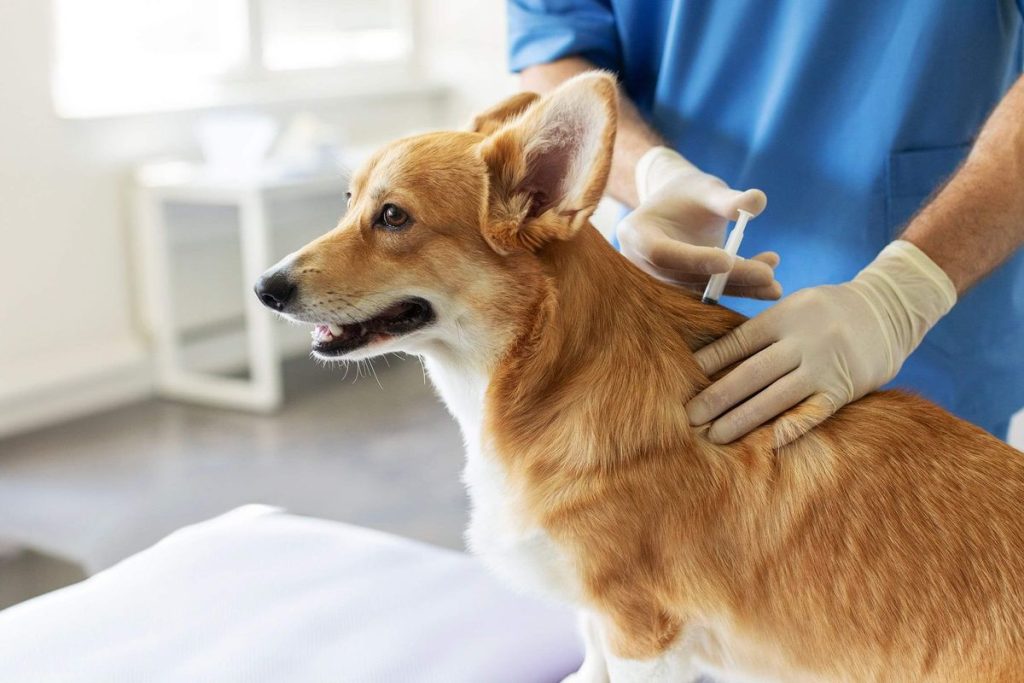
- Detects health problems early: Regular exams can spot issues like weight fluctuations, skin disorders, and unusual neurological symptoms before they escalate.
- Provides insight into nutrition and exercise: Veterinarians can offer tailored advice on dietary needs and physical activity, which are critical to a pet’s overall well-being.
- Keeps vaccination records updated: Staying up to date with vaccinations is essential in maintaining immunity against various diseases.
Annual veterinary visits are recommended for most pets, but more frequent visits may be necessary for senior animals. Proactive health management through these check-ups can significantly enhance your pet’s life expectancy and quality.
4. Importance of Core Vaccinations
Vaccinations act as a shield, protecting our pets from a myriad of potentially deadly diseases. Core vaccinations are particularly important because they guard against illnesses that are widespread and pose severe health risks to pets. For dogs, typical core vaccines include Rabies, Distemper, and Parvovirus, while cats generally need Rabies, Feline Viral Rhinotracheitis, Calicivirus, and Panleukopenia (FVRCP), and Feline Leukemia Virus (FeLV) vaccines.
The significance of core vaccinations is profound:
- Long-term protection: Vaccines stimulate the immune system to protect against diseases common in a pet’s environment.
- Reduction in disease outbreaks: Widespread vaccination contributes to herd immunity, minimizing the occurrence of disease in your area.
- Cost-effective health care: Preventing illnesses through vaccination is generally far less expensive than treatment.
Discussing your pet’s specific needs with a veterinarian can help tailor a suitable vaccination plan, considering lifestyle, age, and health conditions. Keeping this vaccination protocol updated is a simple yet potent way to ensure your pet’s safety.
3. The Role of Preventive Dental Care
Dental health is often underestimated in pets, yet it is a fundamental aspect of their overall wellness. Poor dental hygiene can lead to periodontal disease, which can cause severe pain and even impact vital organs such as the heart, kidneys, and liver.
Implementing a preventive dental care regimen involves:
- Daily brushing: Regular brushing helps in reducing plaque and tartar accumulation, a primary cause of periodontal disease.
- Professional cleanings: Veterinarian-performed cleanings, ideally twice a year, provide a deep clean that is not possible with home care alone.
- Oral health-promoting treats: Dental chews can assist in maintaining clean teeth and fresh breath, serving as a supplementary measure to daily brushing.
Establishing a routine in dental hygiene not only improves your pet’s health but can prevent financial burdens related to dental illnesses over time. This investment in preventive care ensures that when your pet shows affection, it’s with a healthy smile.
2. Understanding Non-Core Vaccinations
In addition to core vaccines, non-core vaccinations address less common but still significant risks, tailored to a pet’s environment and lifestyle. These vaccines are crucial for pets that might be exposed to specific diseases based on where they live or their activities.
Pet owners should consider these non-core vaccines with their veterinarians:
- Bordetella bronchiseptica: Important for dogs frequently in social environments, such as dog parks or kennels, to prevent kennel cough.
- Lyme disease: Recommended for pets living in or traveling to tick-infested areas.
- Feline leukemia: Vital for outdoor cats who are at higher risk of exposure to infected cats.
These vaccines offer specialized protection, contributing to a comprehensive health strategy. Tailoring a vaccination program to the specific threats your pet faces ensures they are shielded from potential health challenges.
1. The Ultimate Importance of Vaccination and Dental Health
The synergy between vaccinations and dental care encapsulates the essence of preventive care for pets. While vaccinations prevent threatening diseases, maintaining dental health supports their overall vitality. Together, they form the foundation of an effective care plan, ensuring your pets remain vibrant and healthy.
By embracing these two critical aspects, pet owners can achieve the following:
- Enhance your pet’s quality of life: Healthy pets exhibit more energy, better temperaments, and higher levels of happiness.
- Prevent unexpected health expenses: Investing in preventive care reduces the risk of costly treatments for preventable diseases.
- Strengthen the bond with your pet: Regular care routines foster trust and deepen the relationship between pet and owner.
Routine vaccinations and dental care not only contribute to the longevity of your pets but offer peace of mind, knowing that you are providing the best possible care. Pursuing these comprehensive health measures is a rewarding commitment that delivers enduring benefits, ensuring that the joyful companionship you share with your pets lasts a lifetime.
| Category | Description |
|---|---|
| Vaccination Benefits | Vaccination safeguards your pets against serious diseases such as rabies, parvovirus, and feline leukemia, thus promoting long-term health. |
| Dental Health Impact | Regular dental care can prevent periodontal disease, which is detrimental to pets’ overall health, affecting major organs if left untreated. |
| Preventive Care Cost-Effectiveness | Investing in vaccinations and dental care saves money in the long run by reducing the need for emergency care due to preventable diseases. |
| Holistic Health Approach | Combining vaccinations with dental care contributes to a holistic approach, enhancing quality of life and longevity for pets, ensuring they lead happy, vibrant lives. |
Vaccinations play a pivotal role in pet care, but it is essential to acknowledge that dental health is equally crucial. Not only does proper dental hygiene prevent bad breath and tooth decay, but it can also eliminate the risk of systemic diseases caused by bacteria from dental issues. For instance, pets suffering from poor dental hygiene can develop infections that enter the bloodstream, potentially leading to heart, liver, or kidney problems. Vaccination schedules are another vital aspect of preventive care. Making sure your pet receives vaccinations on time ensures maximum efficacy for containing viral outbreaks. Pet parents should work closely with veterinarians to develop tailored vaccination plans, taking into account age, health history, and risk factors associated with their region.Moreover, the awareness surrounding the human-animal bond and veterinary care practices has grown significantly. Many pet owners now prioritize a preventive approach, recognizing that consistent veterinary check-ups not only help prevent diseases but also foster an understanding of pet behavior and needs.Regular dental check-ups combined with vaccinations create a solid foundation for a pet’s health. They not only demonstrate responsible pet ownership but can also contribute to lower veterinary costs over time. This leads to a happier and healthier pet, which is the ultimate goal of every pet owner. The integration of preventive practices represents a shift toward enhanced pet care, championing an environment where prevention is prioritized and awareness is raised about the lasting benefits it brings to our furry friends.
Frequently Asked Questions About Preventive Care: Vaccination and Dental Health in Pets
What are the essential vaccines my pet needs?
Vaccinations are crucial in safeguarding your pet from a host of diseases. For dogs, core vaccines typically include those for rabies, distemper, parvovirus, and adenovirus. Cats often receive vaccines for feline herpesvirus, calicivirus, and panleukopenia. The specific vaccines your pet needs can vary based on factors like geographical location and lifestyle, so it’s wise to consult with your veterinarian to tailor a vaccination plan suited to your pet’s unique needs.
How often should I schedule dental check-ups for my pet?
Just like humans, pets benefit from regular dental check-ups. It is generally recommended that you schedule a dental examination for your pet at least once a year. However, some breeds may require more frequent visits due to a predisposition to dental issues. Regular check-ups help in early detection of dental disease, which can prevent pain and more serious health issues in the future.
What are the signs that my pet might have dental problems?
Dental issues in pets can often go unnoticed until they become more serious. Key signs to watch for include bad breath, difficulty eating, excessive drooling, and swollen or bleeding gums. If you observe these signs, it is important to consult with a veterinarian promptly, as untreated dental diseases can lead to more serious systemic conditions.
Are there any risks associated with pet vaccinations?
While vaccines are a critical component of preventive healthcare, they can sometimes cause mild side effects such as lethargy, fever, or slight swelling at the injection site. Serious reactions are rare but may include allergic symptoms. Always discuss any concerns with your vet, who can provide tailored advice based on your pet’s health history and the risk of exposure to various diseases.
How can I help maintain my pet’s dental health at home?
At-home dental care is an integral part of maintaining your pet’s oral health. Regularly brushing your pet’s teeth with veterinary-approved toothpaste can prevent plaque buildup. Providing dental treats and toys designed to reduce plaque and tartar is another effective measure. Discuss with your veterinarian about the best home dental care practices specific to your pet’s needs.
Conclusion: The Essential Role of Preventive Care in Pet Health
As we navigate the complexities of pet health, the importance of preventive measures like vaccination and dental care becomes increasingly apparent. These two pillars of pet wellness not only safeguard pets from a myriad of diseases but also enhance their quality of life and longevity.
The article examined how vaccinations act as a crucial defense, preventing conditions such as rabies, distemper, and parvovirus. It highlighted the need for regular veterinary consultations to ensure pets stay up to date with their immunizations, thus minimizing the risk of infection and spread of contagious diseases.
Dental Care: A Neglected Necessity
Moreover, the focus on dental health uncovered a frequently overlooked aspect of pet care. Dental diseases are common in both cats and dogs, leading to severe health issues if not addressed promptly. Regular dental check-ups and cleanings are essential to prevent gum disease, tooth decay, and even systemic problems like heart disease.
- Regular Vet Visits: Essential for timely vaccinations and oral health assessments.
- Tailored Health Plans: Different breeds and lifestyles necessitate customized preventive strategies.
- Home Care: Brushing and specialized diets contribute significantly to dental health.
By integrating these practices into a pet’s routine, owners can confidently step towards a future where the companionship with their pets is both healthier and happier. As we acknowledge these responsibilities, we also embrace the opportunity to be proactive participants in our pets’ well-being, ensuring they live full, vibrant lives.
For those passionate about deepening their understanding, there are abundant resources available for exploring advanced techniques in preventive pet care. This journey not only enriches our bond with these beloved animals but also empowers us to lead initiatives in promoting responsible pet ownership around the globe.