
Positive Reinforcement Strategies to Modify Undesired Behaviors in Pets
The Importance of Positive Reinforcement in Pet Training
Every pet owner has faced the challenge of undesired behaviors. From incessant barking as your neighbor passes by to your beloved canine companion scratching the furniture during a moment of boredom, these behaviors can strain the bond between you and your furry friend. Luckily, positive reinforcement strategies offer an effective way to address and modify these issues.
Unlike traditional training methods that may focus on punishing bad behavior, positive reinforcement emphasizes the importance of rewarding desirable actions. This technique not only motivates your pet to repeat good behaviors but also fosters a deeper and more trusting relationship between you and your pet. Here are some key advantages:
- Strengthens Trust: When pets feel safe, loved, and appreciated, they are more inclined to respond positively to training. Rewards create an association of happiness with learning.
- Encourages Learning: Utilizing treats, verbal praise, or affectionate petting helps solidify new commands and behaviors in your pet’s mind, making it easier for them to recall these behaviors in the future.
- Reduces Anxiety: Creating a supportive and positive environment helps to foster calmness and confidence in your pet. A pet that is comfortable is less likely to exhibit anxious behaviors, leading to a well-adjusted companion.
There are numerous practical examples of how positive reinforcement can be employed effectively:
- Utilizing treats to reward your dog for following commands like sitting, staying, or coming when called. A simple ‘Good boy!’ accompanied by a treat reinforces the behavior.
- Praising your cat enthusiastically when it uses its scratching post instead of the couch, perhaps by offering a little playtime afterward with its favorite toy.
- Offering extra playtime or affection after your pet reliably completes a command after several attempts, establishing a connection between good behavior and positive outcomes.
To effectively implement these positive reinforcement strategies, you will need patience and consistency, as behavioral modification can take time. Yet, it is crucial to remember that the rewards – a happier, more cooperative pet and a stronger bond – are undeniably worth the effort. As you explore the realm of positive reinforcement for pets, you may discover innovative and tailored methods that transform your pet’s undesired behaviors into positive outcomes, leading to a more harmonious household.
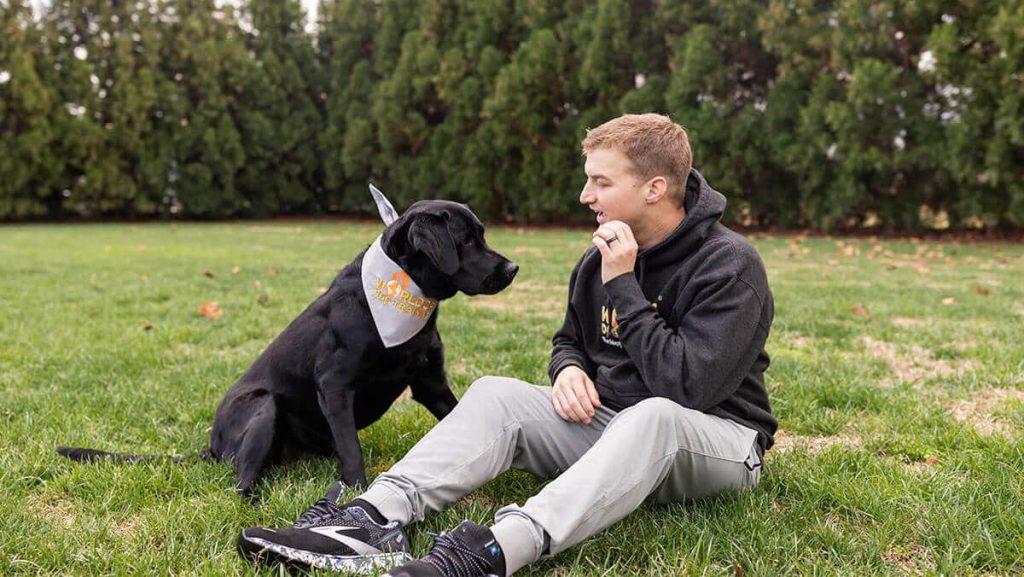
Furthermore, animal behaviorists and training organizations across the United States emphasize the importance of these techniques in enhancing the training experience. Many resources are available, including workshops and online courses, that can provide detailed guidance on implementing positive reinforcement in your own home. By engaging in regular training sessions and maintaining a positive atmosphere, you can nurture well-behaved pets that bring joy and companionship into your life.
DISCOVER MORE: Click here for insights on pet nutrition
Effective Techniques for Positive Reinforcement Training
When it comes to modifying undesired behaviors in pets, understanding the mechanics of positive reinforcement strategies is essential. These techniques are built upon the principle of encouraging good behavior through rewards rather than punishment. Here are several methods that pet owners can employ to create a positive training paradigm.
- Timing is Key: The effectiveness of positive reinforcement is heavily reliant on timing. To reinforce a behavior, rewards should be given immediately after the desired action occurs. For example, if your dog sits on command, offering a treat right away helps him associate the action with something positive. This immediacy sharpens the connection between the behavior and the reward.
- Variety of Rewards: Pets respond to different incentives based on their personalities and preferences. While dogs may be motivated by tasty treats, cats could be more inclined to pursue playtime or a special toy. Experimenting with various rewards will help you determine what your pet values most. It is crucial to use high-value rewards during initial training efforts to capture their attention effectively.
- Use of Clicker Training: Clicker training is a popular method that employs a small handheld device that produces a distinct sound. This tool allows you to mark the precise moment your pet exhibits the desired behavior. After clicking, a reward follows immediately, reinforcing the connection. This method can be particularly effective for training complex behaviors and encourages precise communication between owner and pet.
- Gradual Transition: Start by rewarding your pet for small steps toward the desired behavior. For instance, if you’re training a dog to stop barking excessively, initially reward him for simply being quiet for a few seconds. Gradually increase the expectations, rewarding longer durations of silence. This incremental approach builds confidence and understanding.
Implementing these techniques requires commitment and a willingness to adapt your strategies as needed. It is common for pet owners to encounter challenges, especially when trying to reshape long-standing behaviors. However, maintaining a positive attitude and remaining consistent with reinforcement are vital components in this process.
As you delve deeper into the world of positive reinforcement strategies to modify undesired behaviors in pets, channels such as social media groups, training workshops, and online forums can provide invaluable support. Engaging with fellow pet owners and professional trainers helps to share insights, find solutions, and keep you motivated on the journey of transforming your pet’s behavior into something manageable and enjoyable.
In addition to direct training, consider incorporating fun and novel stimuli into your pet’s daily routine. Keeping their environment dynamic and interesting may reduce unwanted behaviors born from boredom or anxiety. Whether it’s a new puzzle toy or varying exercise routes during walks, ensuring your pet has plenty of positive distractions is a vital part of the process.
| Advantage | Description |
|---|---|
| Strengthens Bond | Positive reinforcement promotes a trusting relationship between pet and owner, as pets learn to associate good behavior with rewards. |
| Increases Learning | This method enhances pets’ ability to learn commands and desired behaviors, leading to a more well-behaved pet. |
| Reduces Stress | Using positive methods reduces anxiety for both pets and owners, making training sessions enjoyable rather than traumatic. |
| Long-Lasting Results | Behaviors reinforced positively are more likely to stick, making training sustainable over time. |
Utilizing positive reinforcement strategies can fundamentally change how pets address undesired behaviors. Through consistent training, not only do pets learn but they also engage in a dynamic and interactive environment. For instance, rewarding your pet with a treat or praise for sitting patiently encourages repeated good behavior. This technique brings to light the effectiveness of understanding animal psychology—by instilling positive responses, you guide your pet towards better behavior rather than resorting to punitive measures.Moreover, studies suggest that animals trained through positive reinforcement show greater enthusiasm during command-following and are less likely to develop behavioral issues related to anxiety or fear. This correlation is crucial for pet owners seeking a harmonious household where both parties thrive. Understanding the nuances of how reinforcement works can lead to more profound insights into fostering a well-adjusted pet, making it a vital approach for every animal lover to explore further.
LEARN MORE: Click here to discover how to adopt during tough times</p
Creating an Engaging Environment for Training
Aside from using positive reinforcement strategies during training sessions, creating a conducive environment for your pet is equally crucial. This approach not only facilitates learning but also helps in the long-term modification of undesired behaviors. Here are some strategies to make your pet’s surroundings more engaging and supportive of their training journey.
- Structured Routine: Pets thrive on routine, which provides them with a sense of security and predictability. Establish a consistent daily schedule for feeding, playtime, and training. This regularity helps your pet anticipate activities and reduces anxiety, leading to fewer negative behaviors. For example, if a dog knows that playtime follows their meal every day, they will be less likely to engage in attention-seeking behaviors during feeding.
- Safe Space Creation: Designating a safe space for your pet can significantly impact their behavior. This area should be cozy and familiar, equipped with toys, bedding, and water. When your pet feels overwhelmed or anxious, they will know where to retreat. A calm environment diminishes stress and restlessness, which often leads to undesirable actions like excessive barking or scratching.
- Interactive Toys: Boredom or lack of stimulation can lead to destructive behaviors in pets. Investing in interactive toys that challenge their cognitive skills can keep them engaged and satisfied. Puzzle feeders and treat-dispensing toys encourage exploration and problem-solving, making the rewards of play more meaningful. By redirecting their energy toward these stimulating toys, you can minimize risks of mischief.
- Socialization Opportunities: Introducing your pet to diverse environments and other animals can significantly enhance their social skills. Proper socialization can help curb aggressive or fearful behaviors that manifest in unfamiliar situations. Planning trips to dog parks, attending training classes, or arranging playdates can provide positive experiences that build confidence and reduce unwanted behaviors.
Implementing these environmental modifications requires ongoing effort and creativity. For instance, consider changing up your dog’s walking route or allowing your cat to explore new nooks in your home to keep things fresh. Being mindful of your pet’s needs and ensuring they remain mentally and physically stimulated will promote reinforcement of good behavior.
Additionally, keep in mind the importance of your own emotional state. Pets are highly perceptive and often mirror the energy of their owners. Maintaining a calm and happy demeanor creates a reassuring atmosphere that encourages positive interactions. If you’re feeling tense or frustrated, this may inadvertently affect your pet’s behavior. Thus, self-awareness is part of effective positive reinforcement training.
To enhance the experience, consider employing technology as an ally. Various training apps designed for pet owners can help track behavior changes, set goals, and remind you of training sessions. These resources can introduce a new layer of engagement that may keep both you and your pet motivated.
As you explore these techniques and insights, remember that modifying undesired behaviors in pets requires patience and flexibility. Every pet is unique, and what works for one may not apply to another. Embracing a diverse array of training strategies will aid in discovering the most effective approaches suited to your furry friend’s specific needs.
DIVE DEEPER: Click here to learn more
Conclusion: Embracing a Holistic Approach to Pet Behavior
In the journey to modify undesired behaviors in pets, positive reinforcement strategies stand out as an effective and compassionate approach. By focusing on rewarding desirable actions rather than punishing negative ones, pet owners can foster a healthier and more trusting relationship with their furry companions. The integration of a structured routine, safe spaces, interactive toys, and socialization opportunities offers a comprehensive environment where pets can thrive.
As you implement these strategies, it’s essential to recognize that consistency and patience are key. Each pet possesses unique traits and temperament, necessitating a tailored approach to training. This adaptability not only mitigates behavioral issues but also amplifies the positive experiences shared between you and your pet. Furthermore, your emotional state plays a critical role in shaping your pet’s behavior. Cultivating a calm and confident demeanor sets the stage for productive training sessions and reinforces the bond built on trust.
Moreover, utilizing modern technology through training apps can provide additional support, helping you monitor progress and remain committed to your goals. This not only enhances the training experience but also keeps both you and your pet engaged and motivated. Remember, transforming unwanted behaviors into desirable ones is a gradual process, one that empowers both you and your pet to learn and grow together.
In conclusion, the ultimate aim of employing these positive reinforcement strategies is to ensure your pet feels secure, stimulated, and supported. As you embark on this training journey, may you find joy in the little victories and the invaluable bond that deepens over time, transforming both your lives for the better.