
How to Create a Safe and Comfortable Environment for Pets at Home
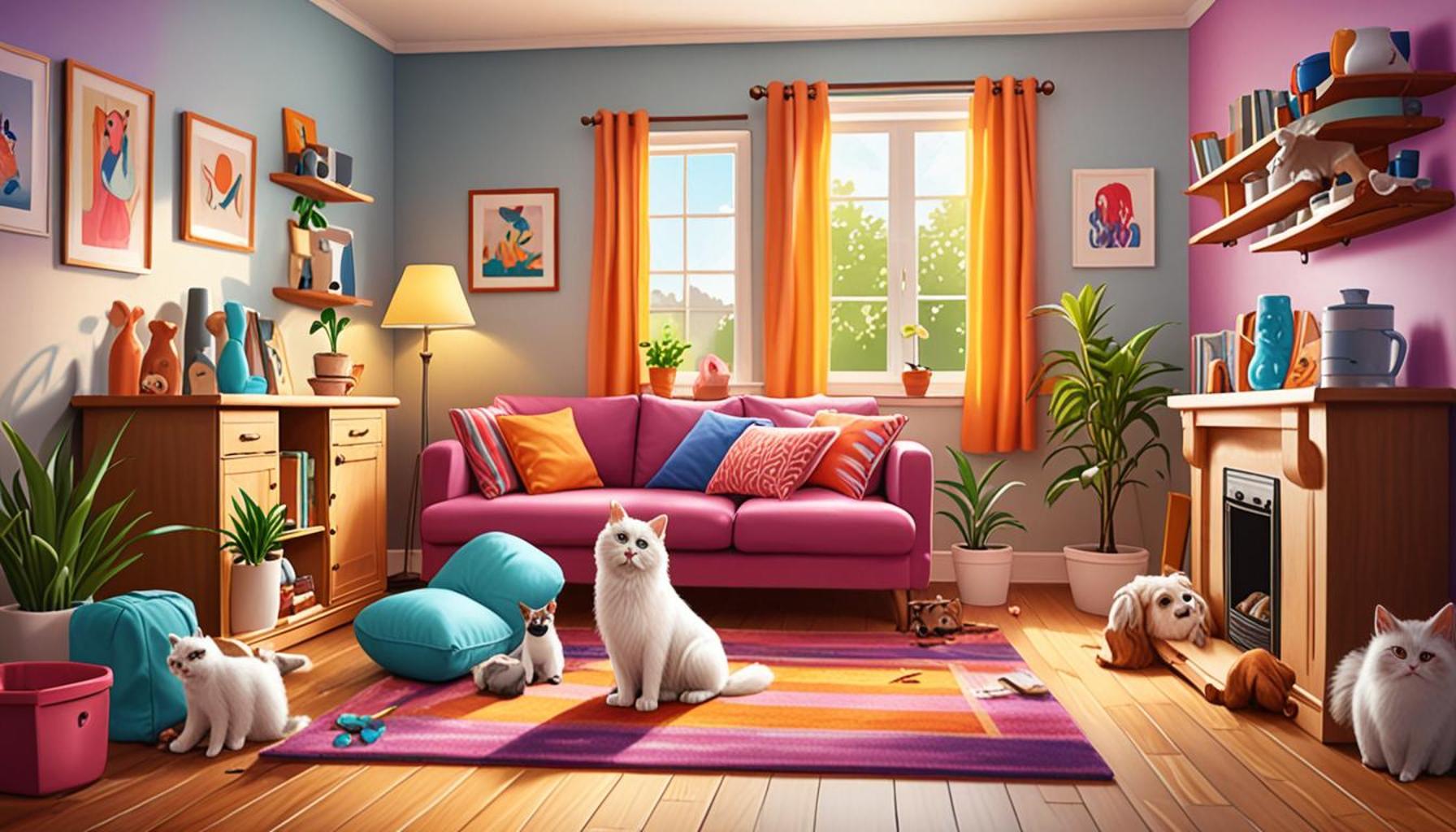
Creating a Haven for Your Furry Friends
Providing a safe and comfortable environment for your pets is essential for their well-being. It’s not just about giving them food and water; it’s about recognizing and responding to their individual needs. Understanding these needs is the first step towards ensuring they feel secure and happy in your home. With a few simple adjustments and considerations, you can transform your living space into a pet-friendly haven.
Key Elements to Consider
To create a nurturing space, consider the following factors:
- Safety: Pets are naturally curious, so it’s important to safeguard your home. Remove toxic plants like lilies and azaleas, which are harmful to cats and dogs, respectively. Additionally, secure loose cords that could pose choking hazards, and keep harmful substances, like cleaning supplies or medications, locked away.
- Comfort: Your pets deserve a cozy place to rest. Invest in quality bedding that supports their needs, especially for older pets who may have joint issues. Designate specific “safe zones” where they can retreat to feel secure, especially during stressful times like thunderstorms or fireworks.
- Enrichment: Boredom can lead to destructive behavior. Offer a variety of toys that cater to their natural instincts—think chew toys for dogs and feather wands for cats. Scratching posts, climbing trees, and puzzle toys will stimulate their minds and keep them engaged.
Every pet has unique needs, making it important to pay attention to their specific behaviors and preferences. For instance, while some dogs might enjoy lying flat on the floor, others may prefer elevated surfaces like couches or dog beds. Similarly, some cats love high perches to observe their kingdom from above, while others will feel most comfortable in nooks at ground level.
Creating a Pet-Friendly Layout
Arranging your living space is just as crucial for your pets’ happiness. As you lay out the space, consider:
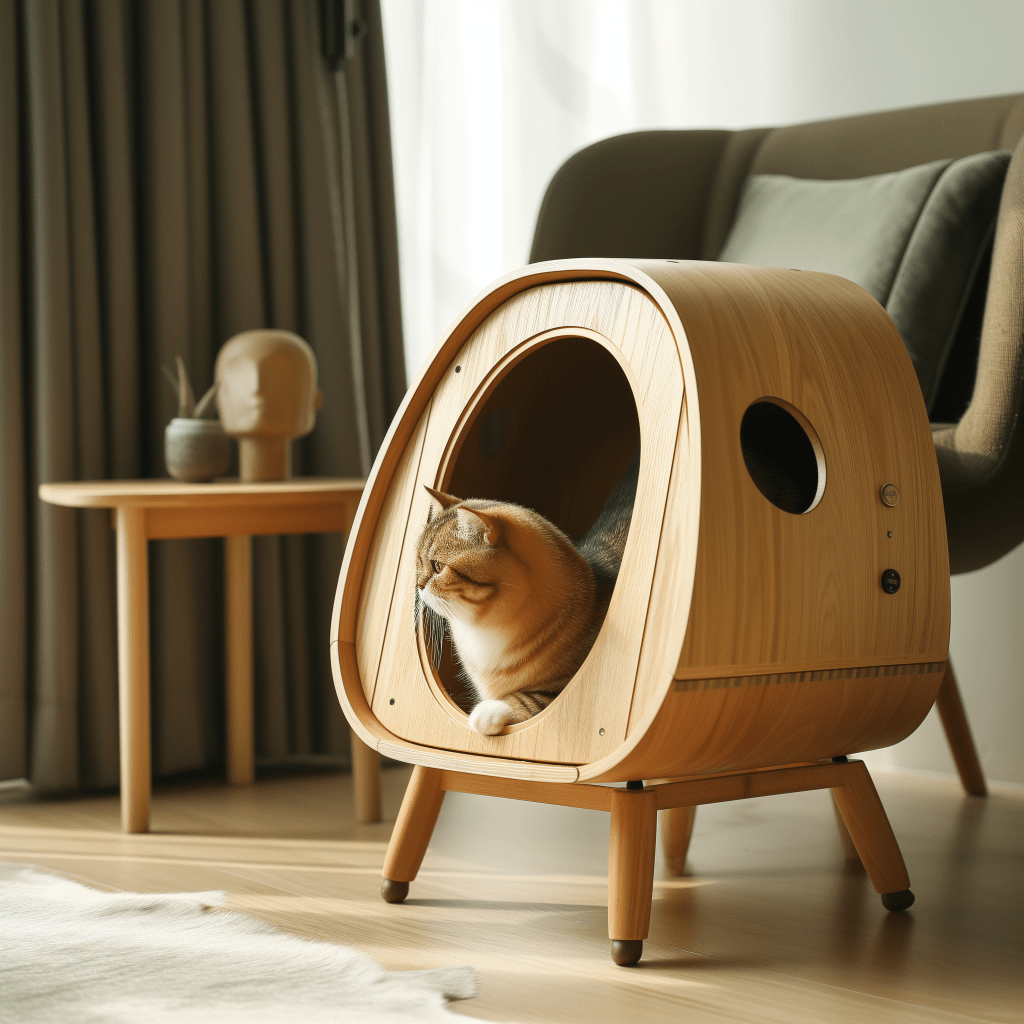
- Open Spaces: Ensure that there are clear paths for movement throughout your home. This not only helps them navigate but also prevents accidents when they’re zooming around.
- Childproofing: If you have small children, consider using safety gates to protect pets from potentially dangerous areas, like staircases or kitchens. This will help prevent both children and pets from engaging in unwanted situations that could lead to injuries.
- Temperature Control: Maintaining a comfortable climate is vital for your pets’ comfort. Ensure that there’s adequate ventilation in warm months and warm spots during colder seasons. Pet-safe heating pads can also provide comfort during chilly nights.
By focusing on these essential elements, you can create an environment that not only promotes happiness and health for your pets but also enriches their lives. Whether you are a lifelong pet owner or a new companion, your commitment to their comfort is what helps them truly thrive. Remember, investing time and resources in creating a pet-friendly environment pays off in the form of a happier, healthier companion that enriches your life as much as you enrich theirs.
DISCOVER MORE: Click here to learn about behavioral training
Understanding Your Pet’s Unique Needs
To create a nurturing and welcoming space for your pets, it’s crucial to first understand their unique needs and behaviors. Each species, and even individual pets within the same species, can have different preferences and requirements when it comes to their environment. This understanding forms the foundation for providing a safe and comfortable environment that enhances their well-being.
Assessing Behavioral Traits
Pets often communicate their needs through behavior. Observing how your pet interacts with their surroundings can give you key insights into what modifications may be necessary for their comfort. For instance:
- Dogs: Many dogs enjoy having a designated space where they can rest and feel secure. A quiet corner with a comfortable bed can create a sense of ownership. If your dog displays anxiety during loud noises such as thunderstorms or fireworks, providing a hidden retreat, like a crate covered with a blanket, can offer them a safe haven.
- Cats: Cats are natural explorers and often appreciate a variety of textures and levels in their environment. Consider incorporating cat trees or shelves to give them vertical space, allowing them to climb and observe their surroundings. If your cat is shy, ensuring access to safe hiding spots, like cardboard boxes or covered cat beds, can increase their sense of security.
Choosing Pet-Appropriate Furniture and Decor
Incorporating pet-friendly furniture and decor choices can also dramatically enhance your home environment. To ensure your space remains both stylish and functional for your pets, consider the following:
- Durable Materials: Opt for furniture made from durable, stain-resistant materials that can withstand the wear and tear from your pets. Fabrics like microfibers or leather are often more resistant to pet hair and scratching.
- Pet-Proofing Features: When selecting furniture, consider items that have rounded edges instead of sharp corners. This helps prevent injury not just to your pets, but to young children as well. Additionally, ensure that heavier furniture is secured to the wall to prevent tipping in the event of a rambunctious pet.
Creating a pet-friendly environment isn’t just about the big changes; it’s often the little details that matter the most. Even small steps, such as choosing the right toys, can contribute significantly to your pet’s happiness. Regularly rotating toys can maintain their interest and engagement.
As you explore these aspects of creating a safe and comfortable environment for your beloved pets, remember that each pet is unique. Tailoring your home to meet their specific needs will not only ensure their safety but will also enhance their overall quality of life. Your attention to these details fosters a deep bond between you and your furry companions, creating an enriching environment they will thrive in.
| Safety Measures | Comfort Enhancements |
|---|---|
| Secure Hazardous Areas | Comfortable Sleeping Spaces |
| Use gates or barriers to prevent pets from accessing stairs or chemical storage. | Provide soft bedding and pillows to create a relaxing sleeping area. |
| Pet-proofing Your Home | Climate Control |
| Cover electrical cords and tuck away small objects that pets could swallow. | Ensure proper ventilation and temperature control for pet comfort. |
Ensuring your pets have a safe and comfortable space at home requires attention to various aspects of the environment. First, consider implementing strong safety measures. Secure all hazardous areas in your home by using gates to keep pets away from stairs or rooms with dangerous chemicals; this simple step can prevent serious accidents. Additionally, pet-proof your home by covering electrical cords and removing small items that could pose a choking hazard.Moreover, enhancing comfort in your pet’s environment is equally important. Creating designated sleeping spaces with soft bedding encourages relaxation, while maintaining optimal temperature and ventilation can help ensure their well-being, especially during the changing seasons. By striking a balance between safety and comfort, you can foster an ideal living situation for your beloved pets.
DISCOVER MORE: Click here for tips on improving your pet’s well-being
Creating Boundaries and Safe Spaces
Once you’ve taken the time to understand your pet’s unique needs and the dynamics of your home, the next step is to establish boundaries and safe spaces that cater specifically to your furry friends. This will not only keep them safe but will also help them feel secure within their environment.
Designating Pet Zones
Setting up designated pet zones can significantly improve your pet’s sense of belonging. Creating specific areas can help manage their behavior and decrease the likelihood of accidents. For instance:
- Feeding Areas: Designate a quiet, low-traffic zone for mealtime. Placing their food and water bowls in easily accessible locations, free from distractions, allows them to enjoy their meals without feeling threatened or anxious. Using non-slip mats can also reduce mess.
- Play Zones: Having a specific area for play, whether indoors or outdoors, allows pets to expend energy safely. Use durable toys and make sure that this area is free from hazards like sharp objects or toxic plants. Engaging with your pet during playtime fosters bonding and provides essential mental stimulation.
Implementing Safety Measures
The safety of your pets should be your top priority when creating a comfortable home environment. Incorporating effective safety measures can prevent accidents and injuries:
- Secure Hazardous Materials: Store cleaning supplies, medications, and chemicals in cabinets that are out of reach or secured with child-proof locks. Many common household items, such as chocolate, grapes, and certain plants, are toxic to pets and should be kept well away from their access.
- Use Baby Gates: If you have designated pet zones, consider using baby gates to restrict access to off-limits areas. This not only limits their exploration to safe spaces but also helps train them to abide by house rules.
Enhancing Comfort with Environmental Enrichment
Beyond securing your space, enhancing your pets’ quality of life through environmental enrichment plays a pivotal role in their overall well-being. Here are some vital components to consider:
- Natural Light and Ventilation: Pets thrive in environments filled with natural light. Ensure that your living space has ample windows or light sources to brighten their day. Fresh air circulation also contributes to a healthy atmosphere, but monitor how drafts impact their comfort, especially for smaller breeds or cats.
- Comfort Items: Provide blankets, pet beds, and cuddle corners filled with soft materials to create cozy spots throughout your home. Many pets enjoy having a piece of your clothing nearby, as it offers them a sense of reassurance.
Moreover, consider incorporating interactive elements like scratching posts for cats or chew toys for dogs within their designated areas. Regularly changing the layout of their environment can engage their curiosity and prevent boredom. This not only enhances their physical well-being but also stimulates their mental health.
In summary, implementing boundaries and safety measures while enhancing comfort through environmental enrichment can contribute significantly to creating a safe and comfortable environment for your pets at home. By tailoring your living space to suit their needs, you foster an enriching experience that goes beyond mere shelter, ensuring a fulfilling life for your beloved companions.
DISCOVER MORE: Click here to learn about the benefits of adopting a pet
Conclusion
Creating a safe and comfortable environment for your pets at home is not just about providing shelter; it entails a comprehensive approach that fosters both their physical safety and emotional well-being. By understanding the unique needs of your pets and implementing thoughtful strategies, such as establishing designated zones, implementing safety measures, and enriching their environment, you can cultivate a harmonious living space that benefits everyone.
Safety measures should be your first line of defense, with careful consideration given to securing hazardous materials and creating boundaries that guide pet behavior. Additionally, the same attention to detail applied in setting up feeding and play areas can significantly enhance their daily experiences. Remember, a structured environment allows pets to thrive and contributes to their physical health.
Moreover, incorporating elements of environmental enrichment is essential for stimulating your pet’s mind and promoting overall happiness. Whether it’s providing cozy spots filled with comforting items or interactive toys, every effort you make feeds into a richer, more engaging life for your pets. Don’t forget that their emotional health is equally as important as their physical safety.
Ultimately, your pets depend on you to create a nurturing habitat where they can flourish. As you consider your living space, think about how your choices directly impact their quality of life. By offering a safe and comforting environment, you are not only meeting their immediate needs but are also building a strong bond of trust and companionship. Your efforts in these areas will surely be rewarded with the unbounded loyalty and love of your furry friends. Explore these strategies further and watch your home transform into a sanctuary for all its inhabitants.