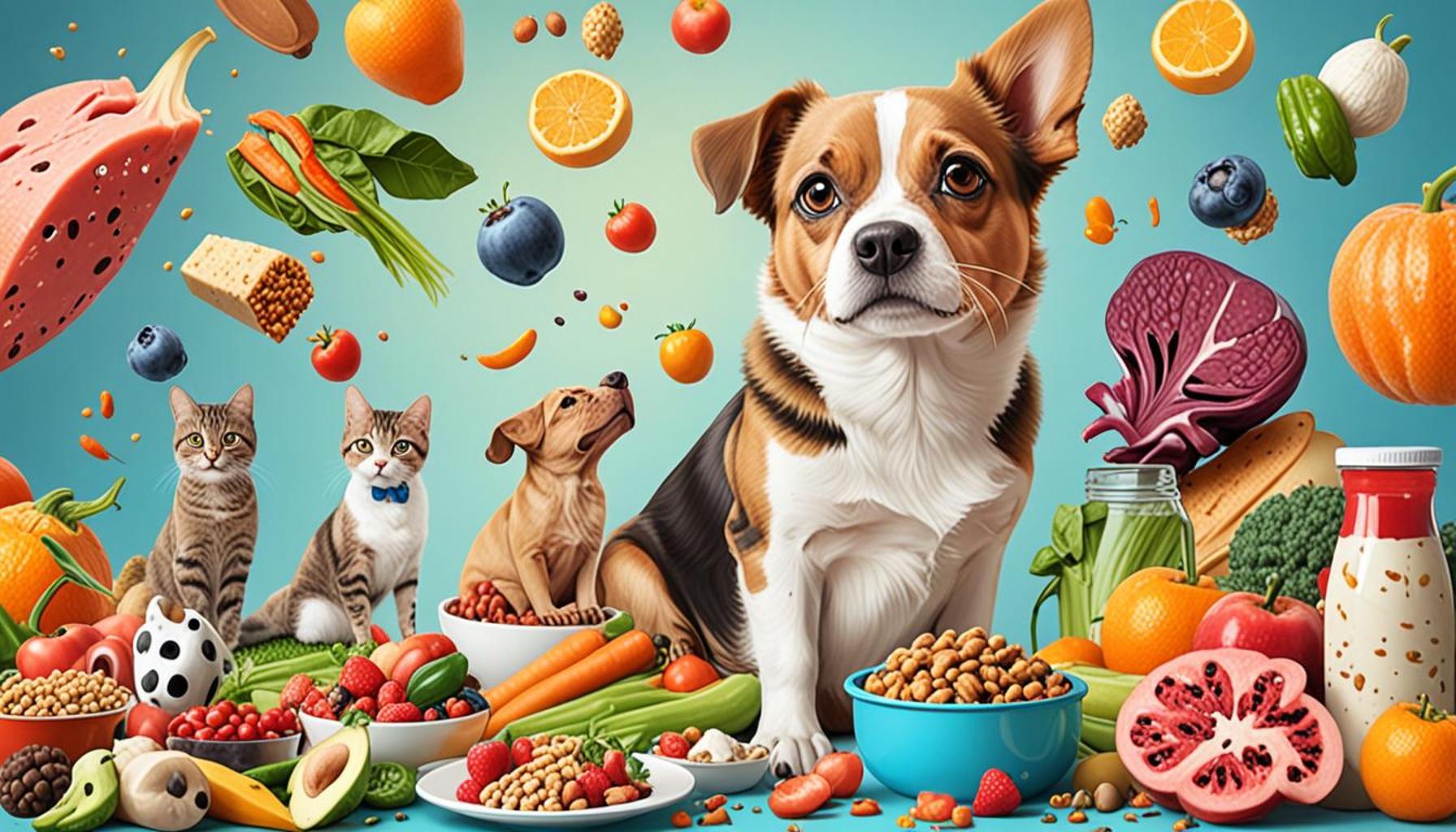
Functional Nutrition for Pets: Foods that Help Prevent Diseases
The Role of Nutrition in Pet Wellness
Every pet owner wants the best for their furry friends, and functional nutrition plays a pivotal role in achieving that goal. By incorporating nutrient-dense foods into their diets, you can help prevent a range of diseases while promoting overall well-being. Understanding how specific foods impact health is crucial in this journey.
Functional nutrition focuses on foods that provide specific health benefits beyond basic nutrition. This approach not only addresses the dietary needs of pets but also targets various health concerns. Here are some key components essential to functional nutrition:
- Antioxidants: These substances, found in fruits and vegetables, help fight free radicals that can lead to cellular damage and chronic diseases. Foods like blueberries, cranberries, and sweet potatoes are rich in antioxidants and contribute to reducing inflammation in pets, which can ward off conditions like arthritis.
- Omega-3 Fatty Acids: Essential for maintaining healthy skin, coat, and joint mobility, these fatty acids are commonly found in fish oils and flaxseeds. For instance, adding salmon oil to your pet’s diet can enhance coat shine while also providing anti-inflammatory benefits, crucial for older dogs experiencing joint pain.
- Probiotics: The importance of gut health cannot be overstated. Probiotics, which are beneficial bacteria, support digestive health and strengthen the immune system. You can find probiotics in fermented foods like yogurt or commercially available pet supplements that specifically cater to your furry friend’s needs.
- Vitamins and Minerals: These are critical for various bodily functions, including metabolism, immune response, and bone health. Ensuring that your pet’s diet is enriched with essential vitamins – such as vitamin E and B vitamins – can play a significant role in disease prevention and overall vitality.
In the United States, a burgeoning number of pet owners are gravitating towards holistic approaches when it comes to their pets’ diets. Detailed research and anecdotal evidence suggest that this shift can lead to a significant reduction in chronic health issues such as obesity, diabetes, and allergies. According to recent studies, incorporating functional foods can improve the quality of life for pets, reducing the necessity for veterinary interventions and expensive treatments down the line.
As you explore the world of functional nutrition for pets, consider how these food choices can influence your pet’s health and happiness. Engaging in this nutritional journey means actively seeking out knowledge, understanding ingredient labels, and perhaps even embarking on the adventure of homemade pet meals. The journey towards optimal pet nutrition transcends merely feeding; it’s about enhancing the life quality of your beloved companion, ensuring they live a healthy and fulfilling life.

DISCOVER MORE: Click here for essential tips on pet nutrition
Key Functional Foods for Your Pet’s Health
When it comes to enhancing the health of our beloved pets, selecting the right foods can be a game changer. Functional nutrition emphasizes the inclusion of specific foods known for their health-promoting properties. Understanding the benefits of certain ingredients will empower pet owners to make informed decisions. Let’s delve into some essential functional foods that can help prevent diseases in pets.
1. Leafy Greens
Leafy greens, such as kale and spinach, are not just beneficial for humans; they are incredible additions to your pet’s diet as well. Rich in vitamins A, C, and K, these greens support immune function and promote healthy skin and coat. Additionally, their high fiber content aids in digestion, helping to prevent obesity, a common problem among pets today.
2. Berries
Berries like blueberries and strawberries are often hailed as superfoods, and for good reason. Packed with antioxidants and vitamins, these fruits can aid in cognitive function and mobility—particularly important for aging pets. The phytochemicals found in berries help combat oxidative stress, potentially lowering the risk of chronic diseases such as cancer.
3. Sweet Potatoes
This humble tuber is a rich source of dietary fiber, vitamins, and antioxidants. Sweet potatoes can help regulate blood sugar levels and provide sustained energy without causing spikes that can lead to diabetes. Additionally, their natural sweetness makes them a tasty treat for pets that can also support digestive health.
4. Fish and Fish Oil
As mentioned earlier, omega-3 fatty acids are crucial for maintaining healthy skin and joints. Fatty fish like salmon and sardines are excellent sources of these beneficial fats. Not only do they bolster heart health, but they also have anti-inflammatory properties that can alleviate conditions such as arthritis and allergies. Regularly incorporating fish or fish oil supplements into your pet’s diet can significantly improve their quality of life.
5. Eggs
Eggs are often considered a complete protein source and provide essential amino acids necessary for your pet’s growth and maintenance. They are also rich in vitamins B12 and D, which play important roles in brain health and bone strength, respectively. Additionally, the bioactive compounds found in eggs can support a healthy immune system, making them a fantastic nutritional addition.
6. Fermented Foods
Considering the growing awareness of gut health in both pets and humans, introducing probiotic-rich fermented foods can be highly beneficial. Foods such as plain yogurt or kefir provide the necessary bacteria that enhance gut flora, improving digestion and immunity. Maintaining gut health is linked to the prevention of diseases and conditions such as obesity-related issues and allergic reactions.
Integrating these functional foods into your pet’s diet not only supports their current health but can also pave the way for a brighter, disease-resistant future. The conscious choice to include diverse and nutrient-dense options will make a substantial difference in the long-term wellness of your pet.
| Advantages | Details |
|---|---|
| Enhanced Immunity | Certain foods like omega-3 fatty acids found in fish can support a pet’s immune system, potentially leading to fewer health issues. |
| Weight Management | A diet rich in whole foods can assist in maintaining a healthy weight, crucial for preventing diseases like diabetes and arthritis. |
| Improved Digestion | Including probiotics in your pet’s diet can enhance gut health, aiding digestion and nutrient absorption. |
| Disease Prevention | Functional foods such as blueberries and spinach can provide antioxidants that may reduce the risk of chronic diseases. |
Incorporating functional nutrition into your pet’s diet not only caters to their immediate health needs but also plays a significant role in promoting long-term wellness. Foods that combat inflammation and provide essential nutrients can drastically improve your pet’s quality of life. Additionally, understanding how different ingredients work together can empower pet owners to make informed decisions that enhance their furry friends’ health. For instance, adding high-quality proteins and fiber sources can contribute to healthier skin and a shiny coat, showcasing the visual benefits of a proper diet.Research indicates that the right balance of nutrients not only enhances physical health but also supports emotional wellbeing, leading to happier, more vibrant pets. Thus, as pet owners adopt a functional approach to nutrition, they are not just feeding their pets; they are investing in their overall health for a brighter, disease-free future.
DIVE DEEPER: Click here to learn more
Other Beneficial Ingredients to Consider
In addition to the key functional foods previously mentioned, there are numerous other ingredients that can play a pivotal role in keeping your furry friends healthy and disease-free. While pet owners generally consider their pets’ meals, it is vital to explore a range of options that contribute to holistic wellness. Let’s examine some of the additional ingredients you may want to incorporate into your pet’s diet.
1. Pumpkin
Not just a fall favorite for lattes and pies, pumpkin is a nutritional powerhouse for pets. Its high fiber content aids in d digestive health and can help regulate diarrhea and constipation. The beta-carotene found in pumpkin is a potent antioxidant that can support eye health and bolster the immune system. Including pumpkin puree in your pet’s meals can make for a tasty and healthful addition, particularly for pets prone to gastrointestinal issues.
2. Turmeric
This vibrant yellow spice is well-known for its anti-inflammatory properties, largely attributed to the compound curcumin. Turmeric can aid in reducing inflammation, which is beneficial for pets suffering from joint problems or arthritis. Furthermore, its antioxidant properties may help protect against chronic diseases and support a healthy immune response. To enhance absorption, it’s often recommended to pair turmeric with black pepper.
3. Quinoa
Quinoa has gained popularity as a super grain for humans, but it also holds advantages for pets. It is a complete protein that supplies all nine essential amino acids. Being naturally gluten-free, quinoa is an excellent alternative carbohydrate source for pets with grain sensitivities. Additionally, it is high in fiber and packed with essential minerals, contributing to overall health and supporting a healthy metabolism.
4. Bone Broth
Bone broth is not only a flavorful addition to your pet’s diet but also comes packed with nutrients. Rich in collagen, amino acids, and minerals, bone broth can promote healthy joints and improve gut health. The gelatin in bone broth is beneficial for maintaining a healthy digestive tract, laying a solid foundation for a strong immune system. Serving it warm, either alone or as an enhancer for food, may encourage hydration in pets.
5. Apples
Apples, often touted as a healthy snack, have more to offer than just a crunchy treat. They are high in vitamins A and C, along with various antioxidants that promote overall health. Apples can help regulate blood sugar levels and provide a natural source of fiber. Just be sure to remove the seeds and core before sharing this crunchy delight with your pet, as they can pose choking hazards or toxicity risks.
6. Probiotic Supplements
While fermented foods are a great source of probiotics, many pet owners may find it beneficial to include dedicated probiotic supplements designed specifically for pets in their regimen. These supplements enhance gut health by promoting the growth of beneficial bacteria, which can improve digestion and overall immune function. Be sure to consult with your veterinarian to find a reputable product that suits your pet’s individual needs.
Incorporating these functional foods into your pet’s diet can provide a diverse array of nutrients that bolster their immune system and help stave off potential health issues. Exploring innovative options plays a crucial role in fostering a long and healthy life for your furry companions. By consciously including these foods, pet owners not only ensure nutrient intake but also indulge their pets’ taste buds with various flavors and textures.
DIVE DEEPER: Click here to learn more about the importance of socialization for pets
Conclusion
The concept of functional nutrition for pets opens a new realm of possibilities for pet owners interested in fostering the longevity and well-being of their furry companions. By thoughtfully incorporating foods that not only nourish but also actively promote health, pet owners can significantly reduce the risk of various diseases that can afflict their pets. From nature’s bounty of fruits and vegetables like pumpkin, apples, and turmeric to nutrient-rich alternatives such as quinoa and bone broth, the options are both diverse and potentially transformative for your pet’s health.
As our understanding of nutrition deepens, the impact of functional ingredients on a pet’s immune system and overall health becomes increasingly evident. Incorporating these ingredients can lead to improved digestion, enhanced immunity, and reduced inflammation, ultimately paving the way toward a vibrant, disease-resistant life for our pets. Furthermore, as the demand for high-quality pet nutrition continues to grow, the market is becoming saturated with new, innovative products that cater to these needs.
Ultimately, embracing a philosophy of functional nutrition will not only help in preventing diseases but also encourage pet owners to develop a more enriching and interactive feeding routine. By continually researching and consulting with veterinary nutritionists, pet owners can discover even more functional foods tailored to their pets’ unique needs. Exploring this nutritional journey is well worth the effort, providing the invaluable gift of health and happiness to our beloved animal companions.