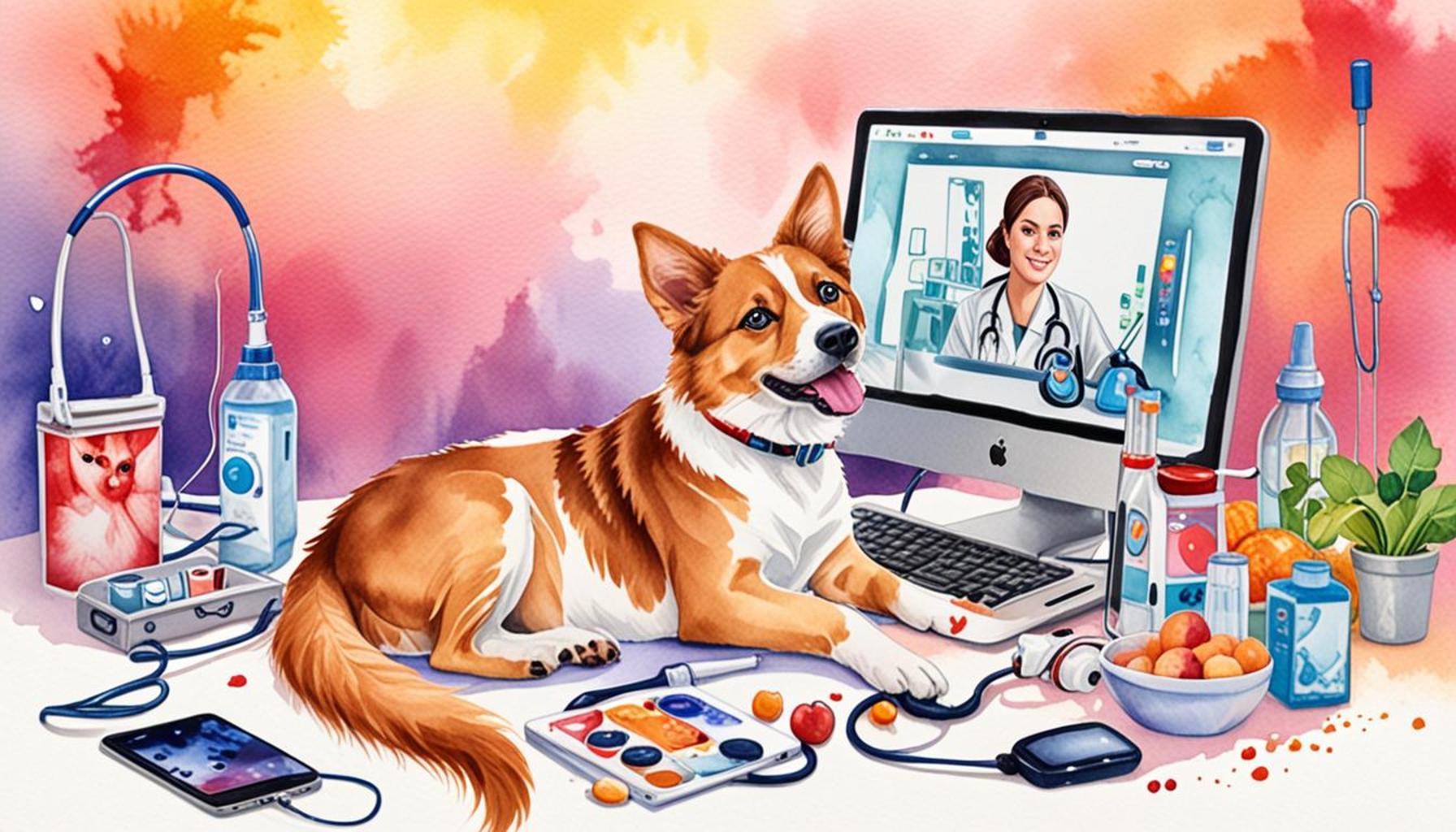
Behavioral Health Services for Pets: Effective Approaches and Techniques

Understanding Behavioral Health in Pets
Just like humans, pets can experience a range of behavioral health issues affecting their well-being. Many pet owners overlook the significance of seeking behavioral health services, which can drastically improve their furry friends’ quality of life. Addressing these issues not only benefits the pets but also enhances the bond between them and their owners. A pet’s mental health is as crucial as its physical health, with untreated behavioral problems potentially leading to stress, medical issues, and strained relationships within households.
Common Issues Addressed
Behavioral health services for pets can target various concerns. Here are some common issues veterinarians and pet behaviorists tackle:
- Anxiety and Stress: Pets often battle anxiety stemming from separation, fear of loud noises such as thunderstorms or fireworks, and general social stress from new environments or other animals. For instance, a dog might bark incessantly or hide during storms, indicating distress.
- Aggression: Aggressive behavior can arise from fear, territorial instincts, or even underlying pain that the pet cannot articulate. A common scenario is a dog growling at strangers or showing signs of aggression when its territory is approached.
- Destructive Behavior: Many pets exhibit destructive behaviors, such as chewing furniture, digging through yards, or frequently urinating indoors. This behavior often indicates that the pet is bored, anxious, or lacks appropriate training.
To effectively treat these issues, professionals utilize a combination of techniques that are both gentle and effective. These may include:
- Training and Behavior Modification: Reinforcing positive behavior through rewards is a proven method for shaping a pet’s behavior. For example, a trainer may use treats to encourage a dog to sit calmly during stressful situations.
- Environmental Enrichment: Providing stimulation through toys, activities, and companionship can alleviate boredom or stress. Interactive toys such as puzzle feeders can keep pets engaged and mentally stimulated, reducing undesirable behaviors.
- Medication: In some cases, pharmaceuticals may be necessary to alleviate symptoms of severe anxiety or aggression. It is crucial that these medications are prescribed and monitored by a qualified veterinarian to ensure the pet’s safety.
Understanding these approaches can empower pet owners to make informed decisions regarding their pets’ behavioral health. Engaging in this process not only leads to happier and healthier pets but also positively impacts their lives and relationships with their humans. Furthermore, access to resources such as trainers, behaviorists, and veterinarians can guide owners through selecting the right interventions tailored to their pet’s specific needs. By prioritizing behavioral health, pet owners can forge a deeper, more fulfilling bond with their beloved companions, ultimately creating a happier household for everyone involved.

DISCOVER MORE: Click here to learn about the joys of adopting a pet
The Importance of Seeking Professional Help
As our understanding of animal behavior has evolved, so too has the recognition of the need for behavioral health services tailored for pets. Many pet owners may not realize that behavioral issues can stem from underlying emotional or psychological conditions just as they do in humans. It is essential to acknowledge that seeking professional help is not a sign of failure or neglect but an important step in ensuring the well-being of our beloved companions. By proactively addressing these issues, owners can foster a healthier environment for both pet and human.
The Role of Veterinary Behaviorists
One of the most effective avenues for addressing pet behavioral problems is through the expertise of veterinary behaviorists. These professionals specialize in animal behavior and possess a deep understanding of the psychological factors influencing pets. Working in tandem with pet owners, they can offer tailored advice and strategies to alleviate behavioral concerns. Their approach often combines knowledge of medical history with behavior analysis, leading to a comprehensive treatment plan.
Signs That Indicate Behavioral Issues
Recognizing the signs that a pet is facing behavioral health challenges is crucial for timely intervention. Pet owners should be alert to the following warning signs:
- Changes in Appetite: A sudden increase or decrease in a pet’s eating habits may indicate emotional distress or discomfort.
- Social Withdrawal: If a typically sociable pet suddenly becomes reclusive or avoids interaction, it could point to anxiety or fear.
- Excessive Grooming: Frequent and obsessive grooming, particularly in cats, can signal stress or a need for behavioral intervention.
- Inappropriate Elimination: Urinating or defecating in the house or outside of designated areas is often a sign of a behavioral problem, particularly when situations change.
Understanding these indicators can empower pet owners to seek appropriate support. Addressing behavioral issues early can prevent them from escalating into more severe problems. Furthermore, many behavioral health services integrate methods that focus on positive reinforcement and gentle training techniques, making the experience more rewarding for pets and their owners alike.
Working with Trainers and Behaviorists
Engaging with certified pet trainers and behaviorists can have a significant impact on resolving behavioral health issues. These professionals employ various techniques, such as clicker training, which promotes communication and reinforces positive behaviors effectively. By collaborating with trainers who have experience in behavioral health, pet owners can develop customized approaches tailored to their pet’s specific struggles.
As with any health-related issue, early intervention is critical. By seeking behavioral health services for pets, owners take the first important step towards a happier, more balanced life for their companions. The integration of professional insights and responsive techniques can transform a challenging situation into a success story, ultimately enhancing the connection between pets and their families.
Understanding Behavioral Health Services for Pets
Behavioral health services for pets play a crucial role in enhancing the overall well-being of our animal companions. Pet owners often underestimate the emotional and psychological challenges that animals face, which can lead to behavioral issues. These services encompass a variety of effective approaches and techniques designed to address these challenges, ensuring a happier and healthier pet.The initial step in exploring behavioral health services involves conducting a thorough assessment of the pet’s behavior and environment. This assessment is essential in identifying the underlying issues that may contribute to problematic behaviors such as aggression, anxiety, or destructive tendencies. Veterinarians, animal behaviorists, and trained therapists work together to develop personalized treatment plans that can include training, medication, and environmental modifications.Moreover, behavioral health services provide education for pet owners, equipping them with the necessary tools to manage and support their pets at home. Techniques such as positive reinforcement training not only promote desired behaviors but also strengthen the bond between pet and owner. Understanding that behavioral challenges can stem from stress, fear, or changes in the pet’s environment is vital. This knowledge encourages pet owners to create a more stable and nurturing atmosphere for their furry companions.Whether you are dealing with a recent change in your pet’s behavior or simply want to ensure they thrive emotionally, exploring behavioral health services can lead to transformative outcomes. Embracing these effective techniques can enrich your pet’s life and enhance their relationship with you. For pet owners, staying informed about the latest techniques in behavioral health services is a step toward responsible pet ownership and deepening the emotional connection with their animals.
| Advantages | Description |
|---|---|
| Customized Treatment Plans | Programs tailored to specific behaviors, addressing unique needs and circumstances, leading to effective outcomes. |
| Strengthened Bond | Techniques like positive reinforcement improve communication and trust between the pet and owner, fostering a deeper connection. |
Ensuring the emotional and behavioral health of your pet is paramount, and exploring available services can pave the way for a fulfilling companionship. Science-backed methods continue to evolve, bringing hope and innovative solutions for pet behavior challenges.
DISCOVER MORE: Click here to uncover the emotional and practical benefits of adopting a pet
Alternative Therapies and Their Benefits
In addition to traditional behavioral health services, many pet owners are increasingly turning to alternative therapies to support their pets’ emotional well-being. These approaches can complement routine behavioral interventions by addressing underlying stress factors in innovative ways. Animal-assisted therapies, art therapy, and even massage therapy have gained recognition for their potential benefits in enhancing a pet’s emotional state.
Animal-Assisted Therapy
Animal-assisted therapy involves the use of trained animals to help improve a pet’s mental health. This method taps into the unique bond between humans and animals, leveraging that connection to help pets overcome anxiety, aggression, or behavioral challenges. For instance, some programs involve using therapy dogs or other animals to create positive interactions, reducing anxiety or fear in pets, particularly those that may have experienced trauma or neglect.
Studies have shown that interaction with therapy animals can lower stress levels and promote feelings of safety and comfort among pets. By participating in these programs, pets not only benefit from the calming presence of another animal but also learn to socialize better, enhancing their overall behavioral health.
Exploring the Role of Nutrition and Supplements
The link between nutrition and behavioral health is another area worth exploring. Research indicates that what pets eat can significantly affect their emotional well-being. Diets rich in omega-3 fatty acids, for example, have been shown to reduce symptoms of anxiety and depression in both dogs and cats. Pet owners are encouraged to discuss the dietary needs of their pets with veterinarians to ensure they receive balanced nutrition that supports their mental health.
In some cases, supplements may also be introduced to help manage behavioral conditions. Products containing natural ingredients like chamomile or L-theanine have been noted to promote relaxation in pets. While these can be effective, it remains crucial to consult a veterinarian before introducing any new supplement, as the effects can vary based on individual animal needs.
The Significance of Routine and Structure
Another vital aspect of maintaining a pet’s behavioral health is establishing a consistent routine and structure. Pets thrive on predictability, and a daily routine that includes scheduled meal times, walks, and playtime can significantly improve their sense of security. Sudden changes or disruptions in routine can lead to heightened anxiety or behavioral issues, making it essential for pet owners to strive for a stable environment.
Additionally, incorporating structured play and mental stimulation into daily activities can mitigate boredom and encourage positive behaviors. Puzzle toys, interactive games, and regular training sessions can provide essential cognitive challenges that keep pets engaged and mentally fit. This not only alleviates behavioral problems but also strengthens the bond between pet and owner.
Community Resources and Support Groups
Lastly, pet owners need to know about the various community resources available for behavioral health support. Many local animal shelters and organizations offer workshops, classes, and seminars that focus on pet behavior, anxiety management, and socialization techniques. Additionally, support groups for pet owners dealing with similar issues can provide invaluable emotional support and practical advice.
Engaging with the community can be a powerful step toward addressing behavioral concerns, fostering not just better individual health for pets but also a network of understanding among pet owners. By tapping into these resources, owners can gain fresh perspectives and solutions tailored to the unique needs of their pets.
DIVE DEEPER: Click here to learn about the emotional and practical benefits of adopting a pet</p
Conclusion
In the ever-evolving landscape of behavioral health services for pets, it is essential to adopt a multifaceted approach that encompasses traditional and alternative therapies. By understanding the emotional needs of our pets and providing appropriate interventions, we can enhance their quality of life significantly. The integration of methods such as animal-assisted therapy, proper nutrition, and the creation of structured routines are pivotal in addressing behavioral issues and promoting mental wellness.
Furthermore, the importance of community resources cannot be understated. Pet owners are encouraged to actively engage with local organizations, workshops, and support groups that offer valuable insights and techniques tailored to specific behavioral challenges. This connection not only aids in personalizing care for each pet but also fosters a supportive network amongst owners facing similar hurdles.
As we broaden our understanding of pet mental health, it is clear that nurturing the emotional well-being of our furry companions requires commitment, knowledge, and compassion. The path to effective behavioral health services for pets is paved with continuous learning and dedication to their needs. By exploring innovative therapies and establishing a strong support system, we empower ourselves to transform the lives of our pets into happier, healthier beings, ultimately enriching the bond we share with them.