
Alternative and Complementary Therapies in the Treatment of Diseases in Pets
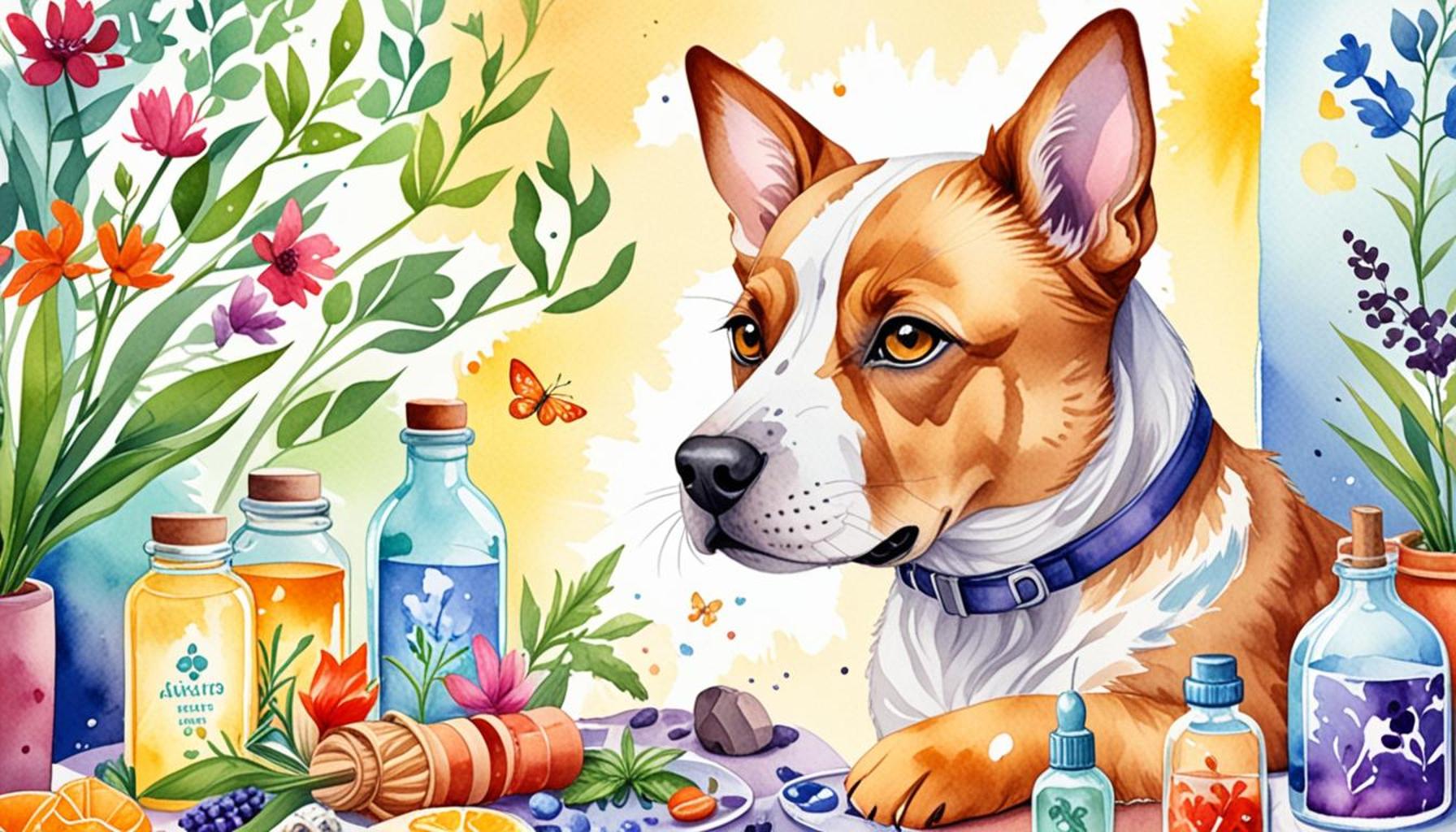
Understanding the Surge in Alternative Pet Therapies
The pursuit of optimal health for our furry companions has spurred a growing interest in alternative and complementary therapies. As conventional veterinary medicine addresses a wide range of ailments, many pet owners are looking beyond traditional approaches to support their pets’ well-being in new and innovative ways. By integrating these therapies with modern veterinary practices, pet parents can create a holistic care plan that addresses the unique needs of their animals.
The world of alternative pet therapies is diverse, and each method often offers a specific set of benefits that can enhance a pet’s quality of life. Here are several popular treatments that are gaining traction among pet owners:
- Aromatherapy: This practice employs essential oils extracted from plants to promote relaxation and healing. For instance, lavender oil is known for its calming properties, which can help alleviate anxiety in pets during stressful situations, such as thunderstorms or fireworks.
- Acupuncture: A well-established practice in traditional Chinese medicine, acupuncture involves inserting fine needles at precise points in the body to stimulate natural healing processes and relieve pain. This treatment has shown promising results for pets suffering from chronic pain, arthritis, and even digestive issues.
- Chiropractic care: This treatment focuses on realigning and adjusting the spinal column and other joints to ensure optimal functionality. Pets experiencing mobility problems or recovering from injuries can often benefit from chiropractic care, resulting in increased mobility and a better quality of life.
- Nutraceuticals: These dietary supplements are designed to support wellness and prevent disease. Examples include omega-3 fatty acids for skin health and glucosamine for joint support. Pet owners are increasingly turning to these products to enhance their pets’ health, especially in older animals.
- Herbal medicine: Using a variety of plant-based remedies, herbal medicine aims to treat various health conditions in pets. For example, milk thistle may help with liver support, while calendula can aid in healing wounds. Many owners are intrigued by these natural alternatives as a complement to conventional treatments.
As this interest in alternative therapies grows, it reflects a shift in how we view pet healthcare. Each animal is unique, and these therapies can be tailored to meet individual needs, much like the personalized approach humans receive in holistic health practices.
However, while the potential benefits of these therapies are encouraging, pet owners must tread carefully. It is vital to consult a veterinarian before starting any alternative treatment. This collaborative approach ensures that these therapies are safe and suitable for specific health conditions and do not interfere with existing treatments.
This exploration into the realm of alternative and complementary therapies not only highlights the need for accessible resources for pet owners but also underscores the importance of a comprehensive approach to veterinary care. As we delve deeper into these therapies, we can uncover how they can complement traditional veterinary practices, ultimately fostering a healthier and more fulfilled life for our beloved pets.
DISCOVER MORE: Click here to enhance your puppy’s training
Diving Deeper into Popular Alternative Therapies
As pet owners increasingly seek alternative and complementary therapies, understanding the science and rationale behind these treatments becomes essential. Many of these therapies have roots in ancient practices but are gaining recognition for their potential effectiveness in modern veterinary medicine. By exploring these therapies, pet parents can make informed decisions about integrating them into their pets’ healthcare routines.
Aromatherapy: Scents for Serenity
Aromatherapy utilizes essential oils to create a calming environment and promote healing. Various scents have distinct properties, making aromatherapy a versatile tool in managing behavioral issues and physical ailments in pets. For instance, chamomile is known for its anti-inflammatory effects, while peppermint can help with digestive discomfort. Many pet owners have reported that diffusing these essential oils during stressful events, like vet visits, can ease anxiety in their animals. However, it’s essential to ensure that only pet-safe oils are used, as some oils can be toxic to animals.
Acupuncture: Ancient Method for Modern Healing
Acupuncture, a practice derived from traditional Chinese medicine, has been employed for thousands of years to address various health issues. By inserting ultra-fine needles at specific points on the body, it stimulates natural healing processes and promotes harmony within the body. Numerous studies have documented its effectiveness for pets, particularly those suffering from chronic pain, arthritis, or even neurological disorders. Many veterinarians now recommend acupuncture in conjunction with conventional treatments to enhance recovery and improve quality of life.
Chiropractic Care: Aligning for Health
Chiropractic care focuses on aligning the spine and joints, promoting proper nerve function. Pets experiencing mobility issues, pain, or discomfort often benefit from chiropractic adjustments, which can lead to improved range of motion and overall vitality. Veterinary chiropractors employ techniques specifically designed for animals, and research suggests that this holistic approach can be effective in managing injury recovery and improving athletic performance in active pets.
Nutraceuticals: Nutrition Meets Medicine
The term “nutraceuticals” reflects a blend of “nutrition” and “pharmaceuticals,” emphasizing the therapeutic benefits of certain dietary supplements. These products can help support overall health and well-being in pets. Common examples include:
- Glucosamine: Often recommended for joint health to alleviate discomfort in aging pets.
- Omega-3 fatty acids: Beneficial for skin, coat health, and reducing inflammation.
- Probiotics: Aid digestion and support gut health, particularly beneficial for pets recovering from gastrointestinal issues.
As more pet owners look to enhance their animals’ health with nutraceuticals, it is crucial to choose high-quality products that are backed by research and recommendations from veterinarians.
Herbal Medicine: Nature’s Remedies
Herbal medicine offers a multitude of plant-based remedies that can support health and address various ailments in pets. Each herb carries its unique therapeutic properties; for example, milk thistle is known for its liver-supportive qualities, while ginger may aid in motion sickness. The appeal of herbal remedies lies in their natural origins, making them an attractive option for pet owners seeking alternatives to traditional pharmaceuticals. However, it is essential to consult a qualified veterinarian to ensure the herbs are appropriate and can be safely integrated into an overall treatment plan.
By understanding these popular alternative therapies, pet owners can explore complementary options that enhance their beloved companions’ well-being while ensuring they receive comprehensive care.
Exploring Various Therapies
As pet owners increasingly seek ways to complement conventional veterinary care, alternative and complementary therapies are emerging as viable options in the treatment of various ailments. These therapies aim to enhance the overall well-being of pets and address their specific health challenges from a holistic perspective. This section delves into some popular therapies and their potential benefits.
| Type of Therapy | Description and Benefits |
|---|---|
| Acupuncture | An ancient Chinese practice that involves inserting needles into specific points on the body to stimulate energy flow. It can help relieve pain, reduce inflammation, and improve overall health. |
| Herbal Medicine | Utilizes plants and natural substances to treat a variety of ailments. Various herbs can support immune function, improve digestion, and enhance recovery from illnesses without the side effects of some pharmaceuticals. |
Another noteworthy alternative therapy is physiotherapy, which focuses on improving movement and providing pain relief through exercises and manual therapy. This is particularly beneficial for pets recovering from surgery or dealing with chronic conditions. Each therapy offers unique approaches and can be personalized to meet the needs of individual pets.
Finally, integrating these therapies can not only enhance your pet’s recovery but also promote a stronger human-animal bond. The journey of exploring alternative therapies opens pathways to greater knowledge about your pet’s health and well-being. Taking the time to learn about these options can significantly impact your pet’s quality of life, making the pursuit of holistic health an engaging and rewarding experience.
DISCOVER MORE: Click here to learn about the importance of socialization for your pets
Exploring the Benefits of Emerging Therapies
As the field of veterinary medicine evolves, emerging therapies are capturing the interest of pet owners seeking alternative and complementary solutions. These innovative treatments often blend traditional practices with the latest scientific advancements, providing options that can enhance the overall health and well-being of pets. Below, we will delve into some of these emerging therapies that are making strides in the compassionate care of our beloved animals.
Physical Rehabilitation: Healing Through Movement
Physical rehabilitation is becoming increasingly popular as more veterinarians recognize its value in pet recovery. This method includes therapies such as hydrotherapy, therapeutic ultrasound, and functional movement training to help pets regain strength, balance, and mobility after surgery or injury. Hydrotherapy, in particular, utilizes water resistance to ease the strain on joints while providing an effective means of exercise. This gentle approach is especially beneficial for elderly pets or those who may be suffering from conditions like hip dysplasia. Veterinary therapists are trained to create personalized rehabilitation plans tailored to the specific needs of each pet, facilitating a faster and healthier recovery.
Homeopathy: A Holistic Approach
Homeopathy is based on the principle of treating “like with like,” where highly diluted substances encourage the body’s natural healing processes. This modality, although sometimes controversial, has garnered a loyal following among pet owners looking for natural solutions. Homeopathic remedies are often prescribed for minor ailments such as allergies, digestive disturbances, and even fear of loud noises. For instance, Aconite can be used to alleviate sudden anxiety symptoms, while Arnica is frequently recommended for bruising and trauma. While some studies support the efficacy of homeopathy, further research is necessary to fully understand its therapeutic potential.
Flower Essences: Emotional Balance for Pets
Flower essences, derived from various flowers, are used to address emotional and behavioral issues in pets. Bach flower remedies, for example, are specifically formulated to target stress, fear, and anxiety in animals. These natural tinctures are believed to help restore emotional balance and promote a sense of well-being. While many pet owners report positive results, it’s advisable to consult with a veterinarian who is familiar with these remedies to ensure the appropriate selection and dosage for each pet.
Laser Therapy: Harnessing Light for Healing
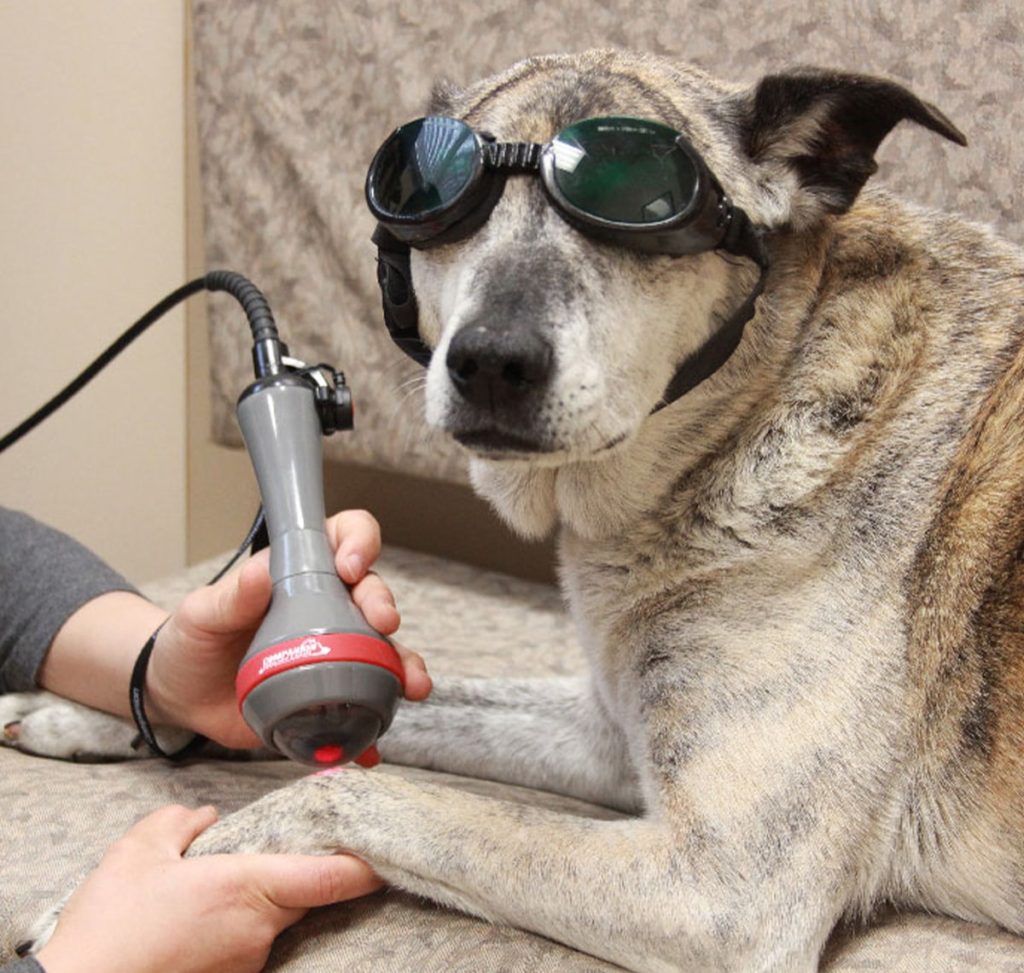
Laser therapy is a non-invasive treatment option that utilizes specific wavelengths of light to stimulate tissue repair and reduce inflammation. It has gained recognition for its ability to soothe pain and accelerate healing in various conditions, such as arthritis and post-operative recovery. Veterinary clinics increasingly invest in laser therapy devices, allowing them to offer cutting-edge options for pain management. The procedure is generally painless and can complement existing treatments, making it a valuable addition for pet owners seeking alternative therapies.*
Integrative Medicine: A Combined Approach
Integrative medicine is rooted in the philosophy of combining conventional veterinary medicine with alternative treatments. This holistic method recognizes the importance of treating not just the symptoms but the entire animal, including physical, emotional, and environmental factors. By collaborating with practitioners trained in both modalities, pet owners can craft a more comprehensive care plan that supports their pets’ health on multiple levels. Numerous veterinary schools and organizations are beginning to offer specialized training in integrative medicine, indicating a shift towards a multifaceted approach to pet healthcare.
With a growing body of research supporting the benefits of these alternative and complementary therapies, pet owners are encouraged to explore these options alongside conventional treatments. By understanding the potential advantages and limitations of each, they can work collaboratively with veterinarians to optimize their pets’ health and happiness.
DIVE DEEPER: Click here to discover the benefits and challenges
Conclusion: Embracing a Holistic Perspective in Pet Healthcare
In conclusion, the exploration of alternative and complementary therapies in veterinary medicine opens up a realm of possibilities for enhancing the health and well-being of our beloved pets. As pet owners increasingly seek holistic approaches to healthcare, therapies like physical rehabilitation, homeopathy, flower essences, laser therapy, and integrative medicine are gaining recognition for their potential benefits. Each modality offers unique methods to complement traditional treatments, providing a more thorough and nuanced approach to pet care.
Understanding the diverse options available allows pet owners to become active participants in their pets’ health journeys. By collaborating with veterinarians who are knowledgeable about both conventional and alternative practices, caregivers can tailor treatment plans that cater specifically to their pets’ needs while promoting overall wellness. It is essential, however, to remain informed and discerning, as the effectiveness of various therapies may vary and ongoing research continues to shed light on their full potential.
As the medical landscape evolves, pet owners are encouraged to remain open-minded and proactive. By incorporating these holistic therapies into their pets’ healthcare routines, they not only support recovery and comfort but also foster a deeper bond based on comprehensive care. Embracing alternative therapies alongside conventional methods can lead pets toward healthier, happier lives. The journey towards optimal pet health is a collaborative one, and together—owners, veterinarians, and alternative practitioners—we can create a brighter future for our furry companions.