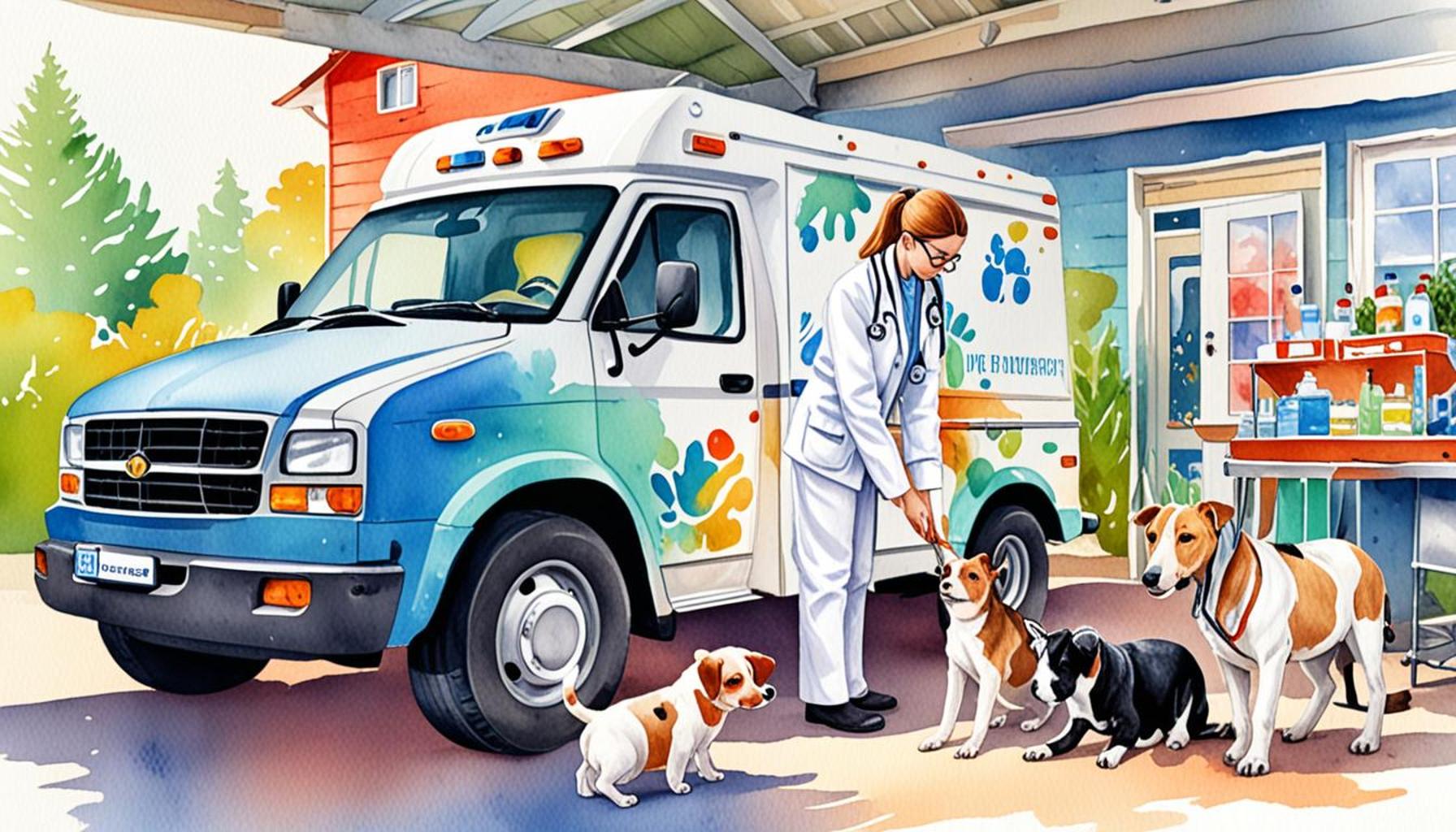
Preventive Health Services for Pets: Vaccination and Regular Care
A Deep Dive into Preventive Health for Your Pets
Taking a proactive approach to your pet’s health can significantly enhance their quality of life. Preventive health services are essential in helping pets avoid various diseases, ensuring not only longevity but also a higher standard of living. By understanding and embracing preventive care, pet owners can foster healthier environments for their furry friends.
Essential Components of Preventive Care
Preventive care encompasses several key components, each playing a vital role in safeguarding your pet’s health. Here are three fundamental elements:
- Vaccination: Regular vaccinations protect pets from various contagious diseases, including rabies, distemper, and parvovirus. This is particularly important in the United States, where some regions have higher incidences of certain diseases. For example, Bordetella vaccines are crucial for dogs that frequent dog parks or grooming facilities.
- Regular check-ups: Routine veterinarian visits enable early detection of health conditions, allowing for timely intervention. A typical check-up might include a thorough physical examination, blood tests, and parasite screenings. These assessments can uncover issues such as diabetes or kidney disease before they develop into serious problems.
- Dental care: Good oral hygiene is often overlooked but is crucial for overall health. Periodontal disease can lead to pain, infections, and even affect vital organs like the heart and kidneys. Regular dental cleanings and at-home dental care routines can significantly reduce these risks.
The Importance of Routine Care
Establishing a routine of preventive care not only protects against diseases but also contributes to various aspects of pet health and owner satisfaction. These benefits include:
- Detecting underlying health issues early: Many pets hide symptoms until they become severe, so regular check-ups can help in revealing health concerns that are not immediately visible.
- Providing guidance on nutrition and exercise: Vets often provide personalized advice on diet and physical activity suited to your pet’s breed, age, and lifestyle, contributing to their overall fitness and happiness.
- Enhancing the human-animal bond: Frequent visits to the vet can help pets become more comfortable with their caregiver, making health care sessions less stressful for both parties.
As awareness of animal health continues to grow, understanding the intricate benefits of preventive health services for pets is more crucial than ever. By committing to vaccinations and regular vet visits, you not only protect your pet but also contribute to a community where healthy pets thrive. Explore how these preventive strategies can be transformative in your pet’s life and encourage other pet owners to prioritize preventive health as a pathway to better lives for their beloved animals.
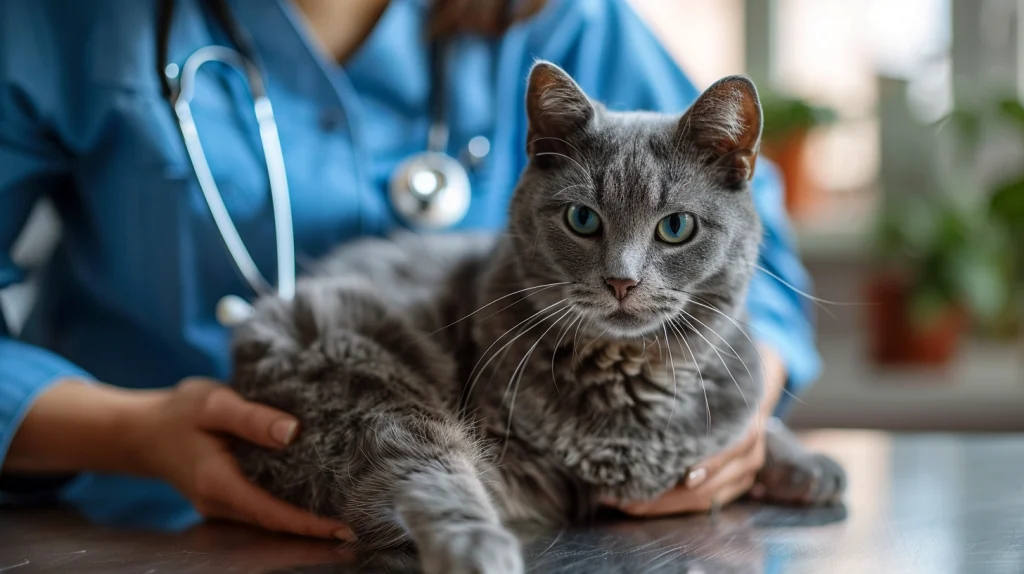
DISCOVER: Click here to learn more about socialization for pets
The Power of Vaccination
Vaccination is a cornerstone of preventive health services for pets, acting as the first line of defense against numerous potentially fatal diseases. By immunizing pets against illnesses such as rabies, parvovirus, and distemper, pet owners are not only protecting their own animals but also contributing to a larger community health initiative. In the United States, certain diseases can be prevalent in specific regions, underscoring the importance of tailored vaccination schedules.
For instance, regions with high dog populations may see a spike in kennel cough, making the Bordetella vaccine crucial for dogs that interact with others in parks or boarding facilities. Felines, too, are not exempt from the need for vaccinations; the feline leukemia vaccine is particularly vital for outdoor cats or those in multi-pet households. Understanding your pet’s individual risks is essential for making informed decisions about their vaccination needs.
Regular Check-Ups: An Essential Habit
Just as humans benefit from regular medical check-ups, so do pets. Schedule annual or biannual visits to the veterinarian to ensure that your pet maintains optimal health. These routine appointments typically involve a comprehensive physical examination, during which the vet assesses your pet’s overall condition, weighs them, and checks for any abnormalities that might not be immediately noticeable. Additionally, blood tests and parasite screenings can unearth underlying conditions, such as liver issues or heartworm infections, that may otherwise go undetected.
These check-ups also serve as an excellent opportunity for pet owners to seek advice on nutrition and exercise tailored specifically to their animal’s needs. A veterinarian can recommend appropriate diets based on your pet’s breed, size, and activity level, allowing for a healthier lifestyle that minimizes the risk of obesity and its related conditions.
The Crucial Role of Dental Care
An often-overlooked aspect of preventive health is dental care. According to the American Veterinary Medical Association, dental disease affects a staggering 80% of dogs and 70% of cats by the age of three. Neglecting oral hygiene can lead to serious implications, including infections that may affect vital organs, such as the heart and kidneys. Regular dental cleanings, both at the vet’s office and through at-home care, drastically reduce the risk of periodontal disease.
Incorporating dental care into your pet’s routine not only enhances their longevity but also improves their quality of life. Products such as dental chews and tailored toothpaste can aid in maintaining your pet’s oral health between professional cleanings.
In summary, embracing preventive health services through vaccination, regular check-ups, and dental care is foundational for pet owners who want to ensure the well-being of their furry companions. Understanding the significance of these components can dramatically change the trajectory of your pet’s health, paving the way for a happy and extended life. Remember, a little vigilance today can lead to a lifetime of joy tomorrow.
| Category | Key Features |
|---|---|
| Vaccination | Vaccinations protect pets against various diseases, ensuring a longer and healthier life. |
| Regular Check-Ups | Routine veterinary visits help detect health issues early, facilitating timely treatment and better outcomes. |
| Preventive Care Plans | Comprehensive health plans can include vaccinations, dental care, and parasite prevention. |
| Health Education | Pet owners are educated on the importance of preventive health measures to ensure better pet care. |
The topic of Preventive Health Services for Pets encompasses a variety of critical measures designed to enhance the health and longevity of our furry companions. Vaccination is one of the most vital aspects, shielding pets from serious diseases such as rabies, parvovirus, and distemper. Keeping a vaccination schedule not only protects our pets but also helps in controlling outbreaks in the community. Moreover, regular veterinary check-ups play a crucial role in preventive health care. These visits allow veterinarians to monitor a pet’s growth, behavior, and overall health, catching potential problems before they escalate. By implementing preventive care plans, pet owners can ensure their pets receive necessary vaccinations, dental care, and treatments for parasites, effectively lowering the risk of numerous diseases. Education is also paramount; when pet owners understand the significance of these preventive services, they are more likely to adhere to recommended health protocols, positively impacting their pets’ quality of life. Investing in preventive health care today could yield significant health benefits for pets in the long run.
DISCOVER MORE: Click here for enriching pet well-being techniques
The Importance of Parasite Prevention
Another critical component of preventive health services for pets is the management and prevention of parasites such as fleas, ticks, and intestinal worms. These parasites not only cause discomfort but can also transmit serious diseases that may have long-term health implications for your pet. For instance, ticks can spread Lyme disease, which is increasingly reported across various regions in the United States. A single bite could lead to complications that affect your pet’s joints, heart, and nervous system.
To proactively combat these threats, pet owners should consider year-round parasite prevention strategies. Options include topical treatments, oral medications, and even flea/tick collars, each of which has its unique benefits based on your pet’s lifestyle and environment. Outdoor pets, particularly those who frequent wooded areas or grassy fields, may require more frequent treatments than indoor pets. Your veterinarian can help tailor a prevention regimen specific to your pet’s needs and geographical location.
Nutrition: The Foundation of Health
Nourishing your pet with a well-balanced and species-appropriate diet is yet another cornerstone of preventive care. A proper diet supports overall health, aids in sustaining energy levels, and fortifies the immune system. Many health problems in pets, such as obesity, diabetes, and chronic skin issues, can often be traced back to poor nutrition. Therefore, understanding the nutritional requirements specific to your pet’s breed, age, and health status is crucial.
There is a vast array of pet food options available today, ranging from commercial kibble to raw diets; thus, navigating these choices can be overwhelming. Pet owners are encouraged to consult with their veterinarian, who can provide recommendations based on individual health profiles, activity levels, and potential food allergies. Additionally, monitoring your pet’s weight and body condition can alert you to necessary dietary adjustments before they evolve into more significant health concerns.
Spaying and Neutering: More Than Just Population Control
Spaying and neutering is another essential service that falls under the umbrella of preventive healthcare for pets. While many pet owners are aware that these procedures help control the pet overpopulation crisis, the benefits extend far beyond that. Spayed females have a significantly lower risk of certain health issues, such as uterine infections and mammary tumors, while neutered males are less prone to testicular cancer and some prostate problems.
Furthermore, spaying and neutering can lead to better behavior, reducing tendencies towards aggression and roaming. This not only promotes a safe home environment but also decreases the likelihood of accidents or encounters with wildlife that could be harmful to your pet. Indeed, these procedures represent a fundamental aspect of responsible pet ownership and contribute to the broader goal of community pet health.
Behavioral Assessments: An Integral Aspect of Preventive Care
While physical health is often the focus in preventive care, mental health and behavioral assessments are equally important. Pets can suffer from anxiety and stress, which can manifest in a range of behaviors that may detract from their quality of life. Regular check-ins with your vet can help identify any behavioral concerns, whether they pertain to anxiety triggers, destructive behaviors, or issues with socialization.
Your veterinarian can recommend behavioral training or modifications that can enhance your pet’s mental well-being. Incorporating preventive measures such as socialization classes, interactive toys, and mental stimulation exercises into your pet’s routine can foster a more balanced and enriched life.
DISCOVER MORE: Click here to learn about the emotional health of pets
Conclusion: Embracing a Holistic Approach to Pet Health
In conclusion, preventive health services for pets are not just about vaccinations and regular check-ups; they encompass a comprehensive strategy that includes parasite prevention, nutrition, spaying or neutering, and behavioral assessments. By adopting an all-encompassing approach to pet care, owners create a foundation that supports both the physical and mental well-being of their furry companions.
Routine vaccinations can shield pets from deadly diseases, while proactive parasite prevention safeguards them from the myriad of health issues posed by fleas, ticks, and intestinal worms. A thoughtful diet is crucial for maintaining your pet’s overall health, helping to prevent obesity and related conditions that may arise from improper nutrition. Moreover, spaying and neutering not only tackle the issue of overpopulation but also enhance your pet’s quality of life through reduced health risks and behavioral improvements.
Understanding that mental health is just as important as physical health paves the way for happier pets. Regular behavioral assessments and timely interventions can alleviate anxieties and optimize your pet’s emotional health. The role of veterinary professionals is pivotal in guiding pet owners towards the most suitable care strategies to suit individual needs.
Ultimately, ensuring the optimal wellness of pets involves a combination of education, prevention, and care. By committing to preventive health services, pet owners not only enrich their own lives but also contribute to the broader goal of fostering a healthier community of pets in the United States. The choices made today have long-lasting impacts on the health and happiness of your beloved companions. So, take the initiative—prioritize preventive care and embark on a journey towards a healthier future for your pets.