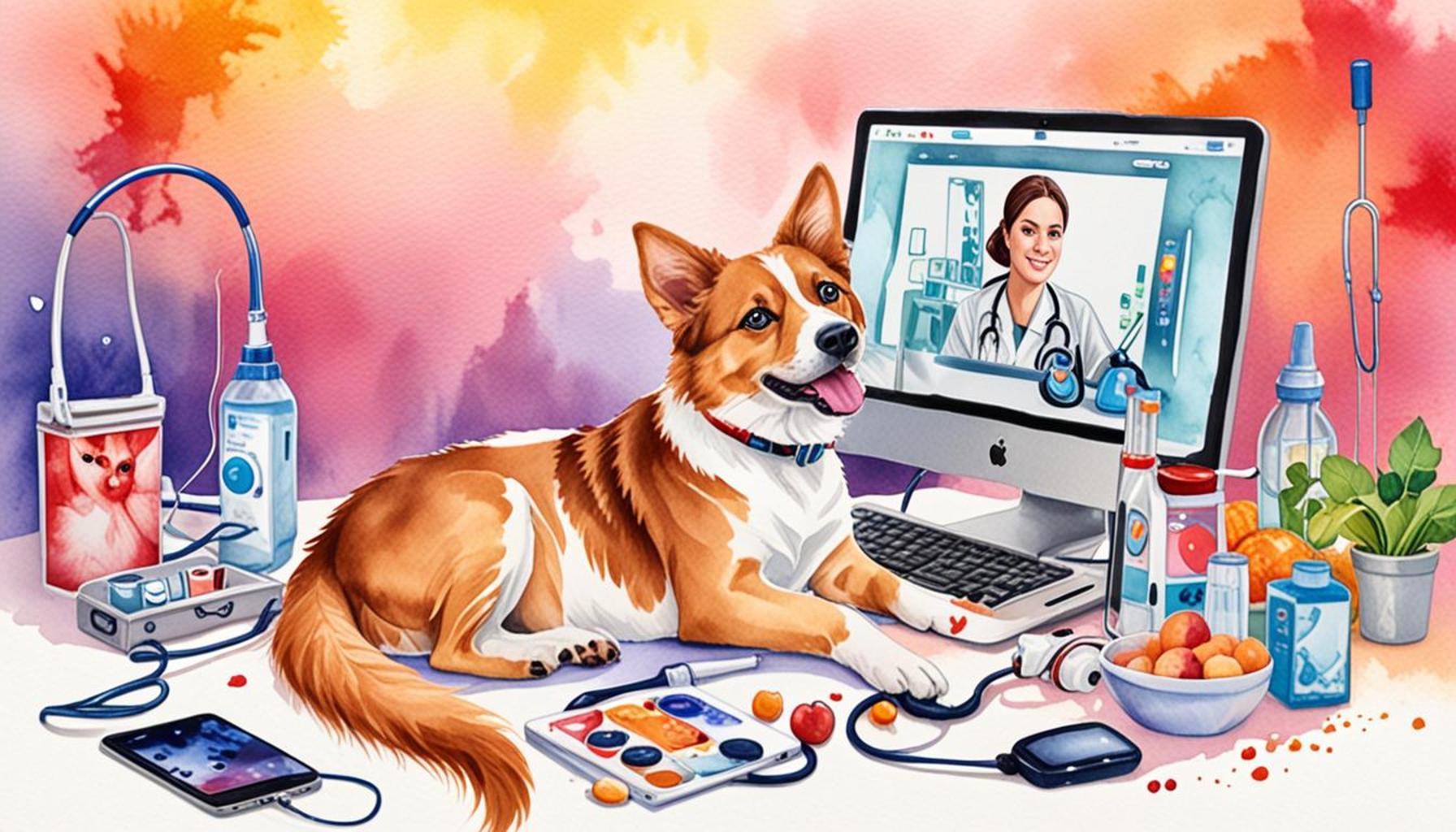
The Importance of Personalized Nutrition in Pet Health Services
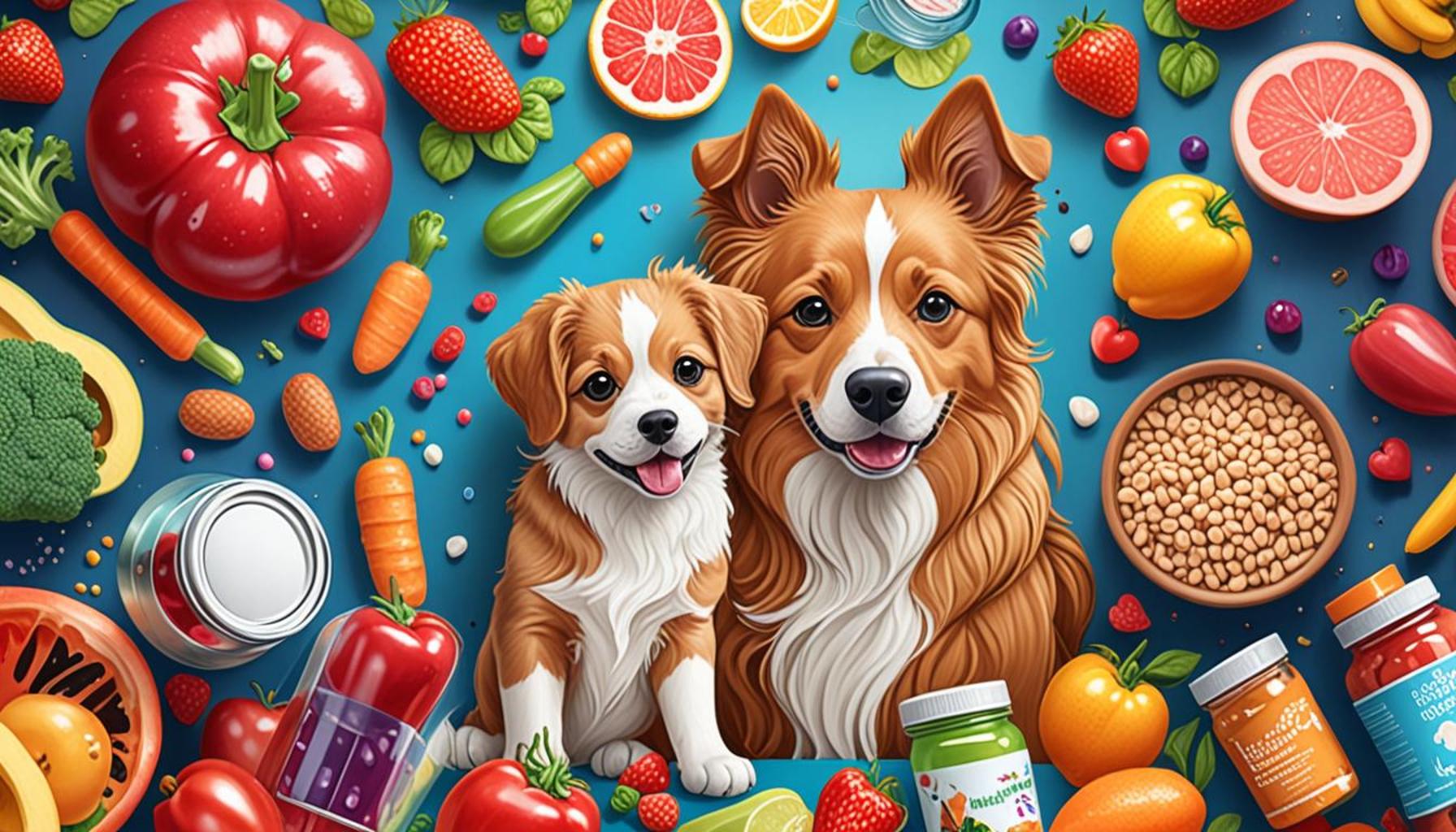
The Role of Nutrition in Pet Health
In recent years, the shift towards personalized nutrition in pet health services has gained significant attention. Pet owners are becoming increasingly aware that their furry companions require tailored diets just like humans. This evolution in understanding showcases the importance of individualized dietary plans for improved health outcomes. With advancements in veterinary science and a growing body of research, it’s evident that a pet’s diet plays a critical role in their overall well-being.
Why Personalized Nutrition Matters
There are several important reasons why personalized nutrition is crucial for our pets:
- Unique Dietary Needs: Just as humans have different dietary requirements, each pet has distinct nutritional needs based on factors such as age, breed, weight, and activity level. For example, a high-energy breed like a Border Collie may require more protein and calories than a less active breed like a Bulldog. Additionally, growing puppies and senior dogs often need specialized nutrients to support their respective life stages.
- Health Conditions: Many pets suffer from specific health issues that necessitate specialized diets for effective management. For instance, dogs with diabetes may benefit from a diet higher in fiber, which helps stabilize blood sugar levels, while cats with food allergies may require hypoallergenic diets made from novel protein sources. Recognizing these needs allows for targeted interventions that can significantly improve the quality of life for pets.
- Weight Management: Obesity has become a common concern among pets, leading to a series of health problems including diabetes, joint issues, and heart disease. Personalized diets help in controlling weight by ensuring that pets receive the right balance of nutrients without excess calories. Tailored meal plans consider a pet’s lifestyle, helping them achieve or maintain a healthy weight and enhancing overall well-being.
Veterinary professionals now emphasize customizing pet diets as a best practice. They recognize that a one-size-fits-all approach may not effectively address individual health concerns or preferences. Through personalized nutrition, pet owners can actively participate in their pets’ health journey, crafting meal plans that promote longevity and vitality.
Looking Ahead
As the industry evolves, many pet health services are integrating nutritional consultations and custom meal plans. Veterinary clinics and pet supply stores are now offering assessments that take into account a pet’s individual characteristics, establishing a more in-depth understanding of dietary needs. This trend not only enhances pet health but also fosters a deeper bond between pets and their owners, as they collaborate on creating optimal nutrition strategies. Innovations like meal delivery services for pets, designed according to specific health criteria, are also gaining popularity. Exploring these advancements invites pet owners to understand the full potential of personalized nutrition, empowering them to make informed choices that positively impact their companions’ health.
LEARN MORE: Click here to discover various pet adoption options
Understanding Individual Nutritional Requirements
Personalized nutrition for pets involves recognizing that every animal is unique and, as such, requires specific dietary components to thrive. Factors including age, breed, size, and even lifestyle play a crucial role in determining what constitutes a balanced diet for any given pet. For instance, puppies have different caloric and nutrient requirements compared to senior dogs, with developing bodies needing high fat and protein levels, while older pets often require diets that support joint health and overall vitality. This understanding helps pet owners make informed decisions about the nutritional needs of their pets.
The Factors Influencing Pet Nutrition
Several critical factors help shape an individual pet’s dietary requirements:
- Age: Young animals are typically energetic and need nutrient-dense foods to support growth. In contrast, older pets may be less active and require a diet that aids in digestion and maintains a healthy weight.
- Breed: Different breeds are prone to different health issues and have unique dietary needs. For example, certain large breeds may be susceptible to hip dysplasia, necessitating diets rich in joint-supporting supplements like glucosamine.
- Health Status: Pre-existing health conditions such as diabetes, obesity, or kidney disease can require specialized diets. A tailored nutrition plan can prevent complications and enhance the pet’s quality of life.
- Activity Level: Active dogs need higher energy meals compared to couch potatoes. Customizing diets based on how much exercise a pet gets can help maintain a healthy weight and prevent obesity-related conditions.
Moreover, the concept of personalized nutrition isn’t just about restricting calories or adjusting protein levels; it’s about offering a holistic approach to pet health. By incorporating a balanced mix of proteins, fats, carbohydrates, vitamins, and minerals, tailored diets can enhance immune function, promote healthy skin and coat, and even improve psychological well-being. For example, diets rich in omega-3 fatty acids are known to support cognitive function in older pets, highlighting the profound impact of nutrition on both physical and mental health.
The educational component of personalized nutrition cannot be overstated. Many pet owners are still unaware of how critical nutrition is to their pets’ health. Providing resources and guidance in veterinary clinics can help bridge this gap and ensure that owners understand the importance of developing and adhering to personalized nutrition plans. An active engagement in their pet’s dietary decisions empowers owners to take the necessary steps toward achieving better health outcomes tailored to their pets’ unique needs.
The Future of Tailored Pet Nutrition
As the pet nutrition landscape continues to evolve, it becomes increasingly clear that customized dietary plans are not just a trend but rather a necessity for ensuring optimal health. Awareness and education are vital as pet owners strive to provide the best possible care for their furry companions. Emphasizing personalized nutrition within veterinary practices heralds a new era of pet health services that prioritize individualized dietary approaches, setting the stage for healthier, happier pets for years to come.
| Advantage | Details |
|---|---|
| Tailored Nutritional Plans | By assessing individual pet needs, vets can create customized diets enhancing health and energy levels. |
| Enhanced Health Outcomes | Personalized nutrition can prevent diet-related illnesses and improve longevity, addressing specific health requirements. |
Personalized nutrition in pet health services emphasizes the need for tailored dietary approaches that cater to the unique characteristics of each animal. With an increasing number of pet owners prioritizing their pets’ health, it has become evident that a one-size-fits-all diet is often inadequate. Pet owners are more interested in understanding the specific nutritional requirements of their pets, which can vary with breed, age, activity level, and existing health conditions.By employing personalized nutrition strategies, veterinary professionals can evaluate and recommend diets that not only meet basic nutritional needs but also target particular health issues, such as obesity, allergies, or gastrointestinal disorders. These specially crafted diets offer numerous benefits, including promoting a healthier weight, maximizing energy levels, and minimizing the risk of chronic diseases.Furthermore, ongoing advancements in veterinary science and nutrition have made it easier than ever for practitioners to formulate highly effective and appealing meal plans that can significantly enhance the quality of life for pets. This approach not only enriches the pets’ daily lives but can also improve the emotional bond between pets and their owners, as they work together to ensure the pet’s optimal health and well-being.
DIVE DEEPER: Click here to discover your perfect pet
Implementing Personalized Nutrition Plans in Veterinary Practices
Transitioning to a system that prioritizes personalized nutrition in pet health services requires a collaborative approach between pet owners and veterinary professionals. Veterinary clinics are uniquely positioned to educate pet owners and implement tailored nutrition plans. From the initial consultation to regular follow-ups, veterinarians can assess individual pet needs and adapt nutrition strategies accordingly.
Assessing Nutritional Needs Through Comprehensive Evaluations
Individualized nutrition starts with a thorough nutritional assessment. This assessment often includes reviewing medical history, conducting physical examinations, and performing relevant diagnostic tests. For instance, a veterinarian might run blood work to evaluate organ function or assess for allergies which impacts diet selection. These insights help formulate a customized plan that addresses specific health concerns and lifestyle factors.
Utilizing advanced technology, some clinics are incorporating digital platforms that allow pet owners to track their pet’s dietary habits and health markers. These tools enable real-time updates to nutrition plans, creating responsive strategies that evolve as pets grow and change. Such platforms also facilitate communication between pet owners and veterinary teams, fostering a collaborative environment focused on optimal health management.
The Role of Nutritional Experts
Another trend gaining traction in pet health services is the involvement of certified pet nutritionists. These professionals bring specialized knowledge and skills to the table, ensuring that dietary plans are not only aligned with veterinary recommendations but also adhere to high standards of nutritional adequacy. Collaboration between veterinarians and nutritionists can yield comprehensive strategies that address a broad spectrum of issues, from managing chronic diseases to enhancing performance in sporting pets.
Furthermore, the details of personalized nutrition go beyond just the right type and amount of food. It extends to the method of feeding and the environment in which pets consume their meals. For example, a pet that tends to eat too quickly may benefit from a slow feeder or puzzle bowl, which can stimulate mental activity while preventing gastric issues. Understanding these nuances allows for the creation of a full-bodied feeding regimen that promotes both physical health and emotional well-being.
Success Stories and Case Studies
Several success stories underscore the effectiveness of personalized nutrition in improving pet health outcomes. A notable case involved a Labrador retriever with a history of obesity and joint problems. After a comprehensive evaluation, the vet recommended a customized diet that included specific nutrients aimed at weight management and joint support. Six months later, the pet not only lost the excess weight but also exhibited increased energy levels and improved mobility, validating the benefits of tailored nutrition.
Another compelling example revolves around a Maine Coon cat suffering from urinary issues. By consulting with a pet nutritionist, the owners shifted the feline’s diet to one that was specifically designed to promote urinary health. As a result, the cat’s condition stabilized significantly, showcasing how targeted nutritional interventions can reduce the likelihood of costly medical treatments and enhance a pet’s overall quality of life.
The perception of pet nutrition is evolving, and new educational resources are emerging to aid pet owners in understanding the necessity of individualized dietary plans. By harnessing the expertise of veterinary professionals and nutritionists, personalized nutrition will become an integral aspect of pet health services, ultimately leading to longevity and vitality for our cherished companions.
DISCOVER MORE: Click here to learn about essential nutrients for your pets
Conclusion
As pet ownership continues to rise in the United States, so does the responsibility of ensuring the health and well-being of our furry companions. Personalized nutrition is emerging as a crucial component in pet health services that transcends basic dietary guidelines. By recognizing that each pet has its own unique physical and emotional needs, veterinary professionals can implement tailored nutrition plans that lead to improved health outcomes.
The incorporation of comprehensive evaluations and the collaboration with certified nutritionists allows for a more nuanced approach, addressing conditions from weight management to chronic illnesses. Moreover, the integration of technology empowers pet owners to actively participate in their pet’s dietary journey, enhancing communication with veterinary teams and ensuring accountability.
The compelling success stories outlined earlier serve as testament to the transformative impact of personalized nutrition. They highlight not only the improvement in pets’ physical conditions but also the enrichment of their lives. As awareness grows and educational resources become more accessible, pet owners will be equipped to make informed decisions about their pets’ diets and health.
Moving forward, it is imperative that the veterinary community continues to prioritize personalized nutrition in pet health services. By doing so, we are not only prolonging the lives of our beloved pets but also enhancing their overall quality of life. The time has come to embrace this evolving paradigm, ensuring that each pet receives the individualized care and nutrition it truly deserves.