
The Role of Mobile Veterinary Clinics in Access to Animal Health
The Essential Role of Mobile Veterinary Clinics
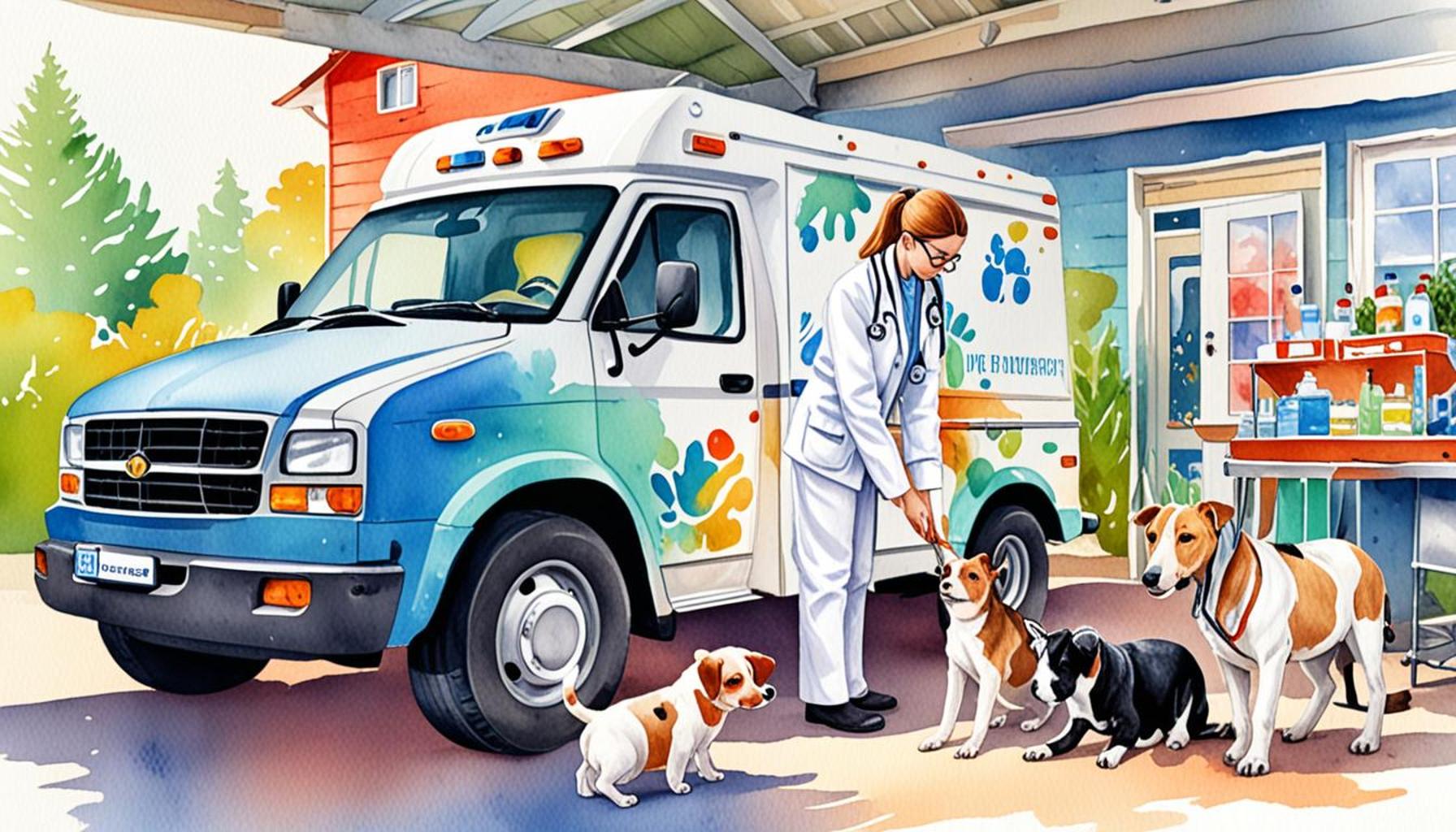
Access to quality veterinary care is crucial for the well-being of animals, yet many pet owners face barriers. This is where mobile veterinary clinics come into play, providing essential services directly to communities. By overcoming the challenges of distance and cost, these clinics enhance access to necessary animal health care. In the United States, the need for such services is particularly evident in rural areas where traditional brick-and-mortar veterinary offices are often miles away or may not be available at all.
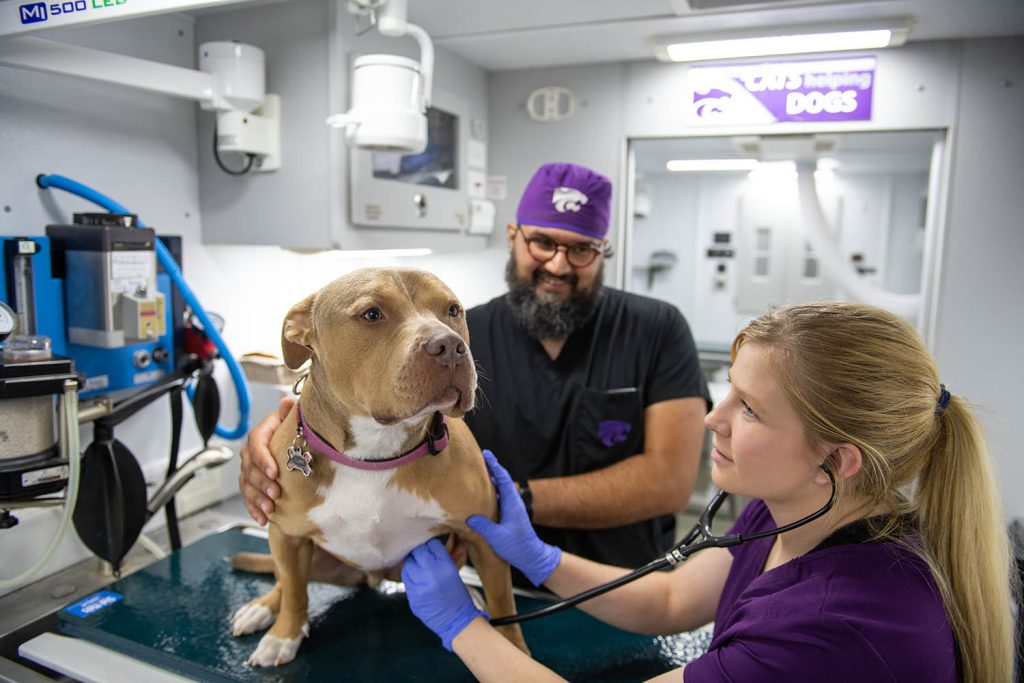
Mobile veterinary clinics offer a range of services designed to cater to both routine and urgent needs. These services include:
- Routine check-ups and vaccinations – Regular health assessments can help ensure the long-term well-being of pets, and vaccinations protect them against preventable diseases.
- Emergency care – In instances where pets suffer acute illnesses or injuries, mobile clinics can provide immediate medical attention, minimizing the time it takes for animals to receive necessary care.
- Spay and neuter procedures – These clinics often offer affordable spaying and neutering, which is essential for controlling the pet population and reducing the number of animals entering shelters.
- Veterinary education and preventive care advice – Mobile clinics serve as an informational resource for pet owners, guiding them on proper pet care, nutrition, and preventive health measures.
In areas where access to veterinary services is limited, mobile clinics serve as a lifeline. Their convenience allows for:
- Improved availability of veterinary services – Pet owners can often schedule appointments at a nearby location rather than traveling long distances.
- Increased pet owner compliance with health guidelines – The ease of access encourages regular visits and adherence to vaccination schedules, thus promoting community health.
- Reduced travel-related stress for both pets and owners – Transportation can be daunting for both animals and owners. Mobile clinics alleviate this burden, creating a more comfortable experience.
Furthermore, research suggests that mobile clinics can have significant impacts on public health, as they help prevent the spread of zoonotic diseases, which are transmissible from animals to humans. For example, by vaccinating animals against rabies in communities with high-risk factors, these clinics can play a critical role in protecting public health. Understanding the influence of these clinics on animal health access can inspire more communities to adopt this innovative model. As awareness grows, so does the potential for improving not only animal welfare but also public health, making mobile veterinary services a valuable resource for both pets and their owners across the United States.
DISCOVER MORE: Click here to learn about positive reinforcement techniques
Transforming Veterinary Care Through Accessibility
Mobile veterinary clinics represent a transformative approach to animal health care, stepping in to address the myriad of challenges that pet owners face. Beyond mere convenience, these clinics embody a vital solution to the growing disparity in access to veterinary services, particularly in underserved regions. A staggering 70% of U.S. counties are classified as ‘veterinarian shortage areas,’ highlighting the urgent need for innovative solutions that reach communities effectively. In this light, mobile clinics offer a beacon of hope, serving as a bridge between pet owners and the critical care their animals need.
One of the most compelling advantages of mobile veterinary clinics is their ability to adapt to the unique needs of the community. These clinics not only bring services closer to pet owners but also tailor their offerings based on local demographics and health concerns. For example, in rural areas where large populations of livestock reside, mobile clinics can provide specialized care for both pets and agricultural animals. This multi-faceted approach broadens the scope of veterinary care available in less densely populated areas, enhancing overall animal health.
The operations of mobile veterinary clinics can be multifarious, including:
- Accessible Locations: Mobile clinics often schedule stops at local community centers, parks, and events, allowing families to conveniently bring their pets in for check-ups without the stress of travel.
- Community Outreach Programs: Many clinics engage in outreach efforts to educate pet owners, fostering a culture of responsible pet ownership and promoting regular health care practices.
- Diverse Service Offerings: From routine dental care to surgical procedures, mobile units can provide comprehensive services that previously required a lengthy drive to a traditional clinic.
In addition to their operational flexibility, mobile veterinary clinics are uniquely positioned to respond quickly during public health crises. For instance, in light of the COVID-19 pandemic, many mobile units enhanced their services to include telehealth consultations, ensuring that essential veterinary advice and care continued despite social distancing measures. This adaptability not only underscores the resilience of mobile clinics but also illustrates their critical role in maintaining animal health even amidst unforeseen challenges.
Moreover, the economic impact of mobile veterinary clinics cannot be overlooked. By reducing travel costs and increasing access to affordable care, these clinics help alleviate the financial burden that often accompanies pet ownership. Studies indicate that when veterinary care is accessible and affordable, pet owners are more likely to seek and comply with health services, which can lead to better health outcomes for their animals. This economic accessibility is particularly important in low-income communities, where the presence of a mobile clinic can significantly influence the frequency of veterinary visits.
In conclusion, mobile veterinary clinics are more than just a service; they represent a critical advancement in the provision of animal health care. As they continue to expand their reach and tailor their services to meet community needs, they play an influential role in bridging the gap between pets and the health care they deserve. Understanding the pivotal functions of these clinics can inspire further innovations and collaborations that elevate animal health care throughout the nation.
The Role of Mobile Veterinary Clinics in Access to Animal Health
Mobile veterinary clinics play a transformative role in ensuring that animals receive the medical attention they need, especially in underserved areas. These clinics not only provide essential vaccination services but also perform spaying and neutering, health check-ups, and emergency care. By eliminating the need for pet owners to travel long distances to vet clinics, mobile services significantly enhance accessibility to animal health care, particularly for individuals with limited mobility or financial constraints.Furthermore, mobile veterinary clinics often target communities where veterinary services are scarce, thereby helping to reduce the overall population of stray animals. They educate pet owners on proper animal care and preventive health measures, fostering a stronger bond between pets and their owners. This outreach is crucial in promoting responsible pet ownership and decreasing the incidence of neglected or abandoned animals.
Advantages of Mobile Veterinary Clinics
| Category 1 | Category 2 |
|---|---|
| Access to Care | Brings veterinary services directly to often underserved areas, ensuring animals receive timely care. |
| Community Outreach | Educates pet owners on health issues and responsible pet care, promoting overall community welfare. |
Overall, mobile veterinary clinics signify a crucial advancement in the accessibility of animal healthcare, addressing both immediate medical needs and long-term education collectively. Their operations not only enhance animal welfare but also serve to unify communities through health-focused initiatives. As we delve deeper into the specifics of mobile veterinary services, we’ll explore the latest technologies and outreach programs that further amplify their importance in society today.
DISCOVER MORE: Click here for insights
Enhancing Preventive Care and Education
The integration of mobile veterinary clinics into communities does not solely hinge upon providing reactive veterinary services; it also plays a critical role in promoting preventive care and education. Frequently, pet owners are unaware of the importance of routine veterinary visits, vaccinations, and preventive medications. Mobile clinics tackle this challenge by raising awareness and fostering a greater understanding of animal health.
In many instances, mobile veterinary clinics collaborate with local organizations or animal welfare groups to host educational workshops and community events. These gatherings serve as platforms where veterinarians can share vital information on pet care practices, nutrition, and the implications of neglecting regular check-ups. For example, a 2019 study found that communities with active outreach programs saw a 30% increase in vaccination rates among pets, illustrating the tangible benefits of education-backed initiatives. By engaging directly with pet owners, mobile clinics empower them to take charge of their animals’ health, ultimately reducing the prevalence of preventable diseases.
Moreover, these clinics often provide services that extend beyond the basics, such as behavior consultations and training tips. Understanding that behavioral issues can lead to abandonment and neglect, mobile veterinary teams strive to address these concerns early on, creating a supportive environment for both pets and their owners. By addressing the root causes of health disparities, these clinics can significantly improve the quality of life for animals and their families.
Bridging the Gap in the Veterinary Workforce
Veterinary shortages aren’t solely a problem of accessibility but also a workforce challenge. With fewer veterinarians willing to serve in rural areas, mobile clinics emerge as a solutions-oriented approach. Employing a rotating roster of veterinarians, many mobile clinics can effectively stabilize the workforce in underserved regions. This adaptive staffing model not only alleviates the burden on local practices but also creates more opportunities for new veterinary graduates eager to establish their careers without the overwhelming costs associated with traditional brick-and-mortar clinics.
Furthermore, the mobility of these clinics enables practitioners to shift their focus based on community needs. In some cases, they may address a sudden uptick in demand for spay and neuter services. In others, they could pivot towards providing emergency care following a natural disaster. This level of flexibility is essential in ensuring the sustained health of animal populations, particularly in regions where traditional clinics may struggle to keep pace with fluctuating demands.
Innovative Technology and Solutions
As mobile veterinary clinics advance, they increasingly incorporate technology to enhance their services and improve client experiences. Many clinics are utilizing portable diagnostic tools, such as digital radiography and ultrasound, which enable veterinarians to make swift and accurate assessments right from their mobile units. This technological enablement not only increases the scope of available services but also hastens treatment timelines, ensuring that pets receive timely care.
Furthermore, some mobile clinics are introducing apps or online platforms to facilitate appointment scheduling, vaccination records tracking, and even telemedicine consultations. These innovations reinforce a proactive approach to health management by allowing pet owners to monitor their animals’ wellness and keep them up-to-date with vaccinations while minimizing the gaps typically experienced in traditional care models.
In this rapidly evolving landscape, mobile veterinary clinics are proving to be more than a novel idea—they are emerging as essential components of accessible animal health care. By enhancing preventive care, addressing workforce challenges, and leveraging technology, they are redefining the veterinary experience for countless animal owners across the nation. As their influence grows, the potential for improved animal health outcomes continues to expand, urging a deeper consideration of how veterinary services can evolve to meet future demands.
DISCOVER MORE: Click here to learn about the importance of socialization for pets
Conclusion
In summary, mobile veterinary clinics are revolutionizing the landscape of animal healthcare, particularly in regions that have historically faced challenges in accessing veterinary services. These clinics provide a critical bridge between pet owners and necessary veterinary care, ensuring that animals receive timely treatments and preventive care that can significantly enhance their quality of life. By addressing workforce shortages, these innovative clinics not only bring vital services closer to underserved communities but also encourage new veterinary graduates to engage in meaningful careers in animal care.
The emphasis on education and preventive measures delivered through mobile clinics plays a significant role in shifting the perception of animal health. As pet owners become more informed about proper care routines, vaccination importance, and behavioral issues, they are empowered to make proactive decisions that benefit their pets and prevent potential health crises. The integration of modern technology further amplifies these efforts, offering tools that streamline care and improve the overall client experience.
The successful implementation and continued growth of mobile veterinary clinics signify a promising shift in addressing the gaps in pet healthcare. Policymakers, communities, and veterinary professionals should collaborate to invest in these innovative practices and support their expansion. As we look to the future, the ongoing challenges of animal health disparities will necessitate comprehensive solutions, and mobile veterinary clinics stand poised to play a pivotal role in ensuring a healthier, happier future for pets across the United States.