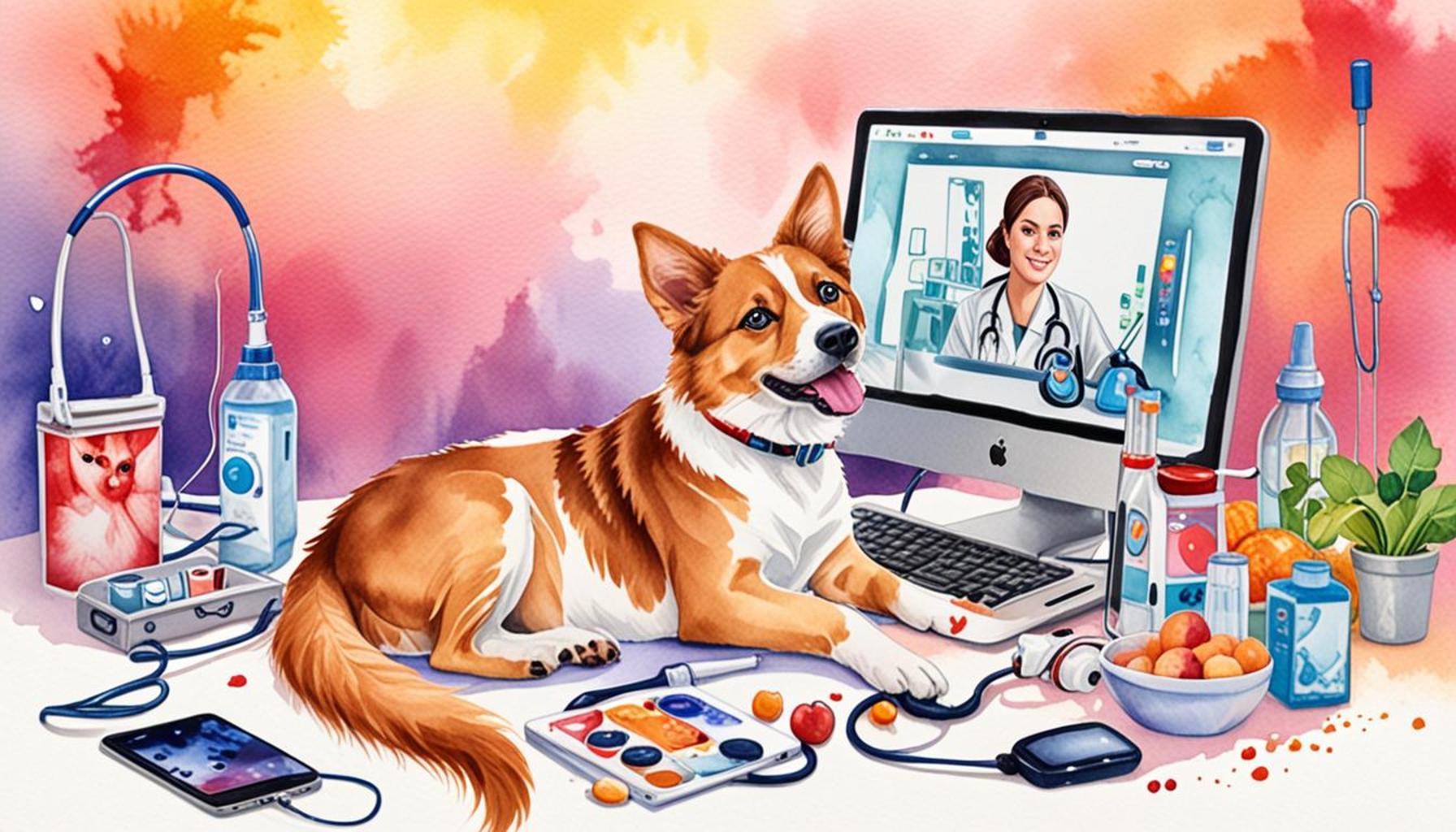
The Evolution of Veterinary Emergency Services: How to Better Care for Our Pets

The Evolution of Veterinary Emergency Services
The landscape of veterinary medicine has undergone a significant metamorphosis, particularly in emergency services. As pets increasingly occupy cherished roles within families, the demand for high-quality emergency care has surged. This shift not only reflects a change in societal attitudes towards animals but also catalyzes advancements in veterinary care that enhance accessibility and effectiveness.
Technological Advances
Innovative diagnostic tools have emerged as pivotal elements in veterinary emergency services. For instance, advanced imaging techniques such as digital X-rays, MRI, and ultrasound allow veterinarians to quickly diagnose life-threatening conditions. Telemedicine, a game-changer especially highlighted during the COVID-19 pandemic, enables vets to assess a patient’s condition remotely, providing immediate guidance to pet owners. One notable example is how clinics like the Veterinary Specialty Hospital in San Diego utilize telemedicine platforms to ensure rapid consultations, ultimately saving lives by speeding up treatment decisions.
Specialization
The field has also seen the rise of specialized practitioners in veterinary emergency and critical care. Like human medicine, having professionals who focus on urgent and critical cases—such as board-certified emergency veterinarians—has elevated treatment standards. Specialization not only enhances knowledge but also enriches the skills available to respond to complex medical scenarios. For instance, some clinics now have dedicated emergency teams equipped to manage cases ranging from trauma after car accidents to toxic ingestions, providing pets with the immediate and focused care they require.
24/7 Availability
In the past, emergency veterinary services often operated under limited hours, creating potential delays in obtaining critical care. However, many veterinary clinics and specialty hospitals now offer 24/7 emergency services. Facilities like the Animal Medical Center in New York City exemplify this trend by providing around-the-clock care, ensuring that pet owners have access to help at any hour, whether it’s midnight or early morning. This continuous availability is vital in emergencies where every moment counts in saving a pet’s life.

Understanding the New Landscape
The evolution of these services has led to improved outcomes for pets, yet navigating this new landscape can present challenges for pet owners. Understanding various factors that influence emergency care is crucial for ensuring optimal treatment for beloved companions.
- Cost Awareness: Emergency veterinary care can be a significant financial burden. To mitigate surprises, pet owners should inquire about potential costs upfront or explore pet insurance options that can ease this financial concern.
- Preventive Care: Regular veterinary check-ups can significantly reduce the likelihood of emergencies. Engaging in routine wellness visits enables early detection of health issues, promoting longevity and well-being.
- Emergency Preparedness: Being prepared for a pet emergency is essential. Assembling a pet first aid kit, knowing the location of the nearest emergency clinic, and having an emergency plan in place can greatly reduce response times during crises.
This exploration of veterinary emergency services underscores the remarkable progress made in this field, highlighting the importance of advancing practices that ensure our pets receive superior care. The journey has been long, but as awareness and resources grow, the future looks promising for veterinary emergency services and the beloved pets they serve.
DIVE DEEPER: Click here to enhance your pet’s well-being
Advancements in Veterinary Emergency Services
The transformation of veterinary emergency services is a testament to the industry’s commitment to adopting modern solutions that not only cater to the ever-evolving needs of pet owners but also ensure that our furry companions receive the best possible care. With technological advancements, specialized training, and enhanced accessibility, veterinary emergency services have become more robust, efficient, and responsive.
Innovative Treatment Modalities
One of the most significant changes in veterinary emergency care has been the integration of innovative treatment modalities. Just like in human medicine, there has been a marked increase in the utilization of minimally invasive procedures, enabling faster recovery times for pets. Laparoscopic surgery, for example, allows veterinarians to perform surgical procedures through tiny incisions, reducing pain and scarring while expediting the healing process. Moreover, the advent of regenerative medicine, such as stem cell therapy, showcases the possibilities of new, promising treatments that can address previously challenging ailments.
Comprehensive Training for Vets
As veterinary practices expand their emergency services, the need for comprehensive training becomes ever more paramount. Emergency veterinarians are now aware that time is of the essence during critical situations. Many veterinary schools offer focused programs and continuing education that cover advanced life support, trauma management, and critical care techniques. According to the American College of Veterinary Emergency and Critical Care (ACVECC), students who receive specialized training are better equipped to handle emergencies. The rigorous preparation also ensures that these professionals stay updated on the latest best practices, ultimately leading to better outcomes for pets.
Collaboration Among Emergency Facilities
Another notable trend in veterinary emergency care is the collaboration amongst various facilities. Veterinary clinics are increasingly networking with specialty hospitals to provide seamless care for pets in distress. For instance, when a local clinic encounters a critical case, they may promptly refer the pet to a nearby specialty center equipped with the necessary tools and expertise. This type of collaborative approach significantly increases the survival rates of pets facing urgent health crises. The emphasis on teamwork ensures that every emergency case receives timely and appropriate attention.
Educating Pet Owners
Alongside advancements in emergency veterinary services, educating pet owners has become an increasingly important piece of the puzzle. Understanding when to seek emergency care can make all the difference between a good and bad outcome. Pet owners should familiarize themselves with common emergency situations, such as:
- Difficulty breathing: Recognizing that a pet struggling to catch its breath may require immediate help can save crucial time.
- Severe vomiting or diarrhea: Persistent symptoms, especially when accompanied by lethargy, often necessitate urgent medical attention.
- Accidental poisoning: If a pet ingests a toxic substance, such as household chemicals or certain foods like chocolate, immediate veterinary assistance is critical.
This collective evolution in veterinary emergency services, enhanced by technological, educational, and collaborative initiatives, reflects an increasing understanding of our pets’ needs. As devoted pet owners, becoming well-informed and proactive can ensure that our furry friends receive timely, high-quality care that enhances their quality of life.
Veterinary emergency services have undergone significant changes over the years, responding to the increasing needs of pet owners and their beloved animals. Understanding this evolution provides insight into how we can better care for our pets during crises.Historically, emergency veterinary care was limited, often available only during standard clinic hours. Today, many veterinary practices offer 24/7 emergency services, ensuring that urgent care is accessible at any time. This shift reflects a growing acknowledgment of the importance of rapid intervention in life-threatening situations. Consequently, pet owners are more equipped than ever to make timely decisions when their pets face emergencies, thus reducing the risk of fatal outcomes.In addition to extended hours, advances in technology have enhanced the capabilities of veterinary emergency medicine. Modern imaging techniques, such as ultrasound and X-ray, allow for quicker and more accurate diagnoses. These tools enable veterinary professionals to identify conditions that might have been overlooked in the past, leading to improved treatment protocols and better outcomes for animals.Moreover, the integration of telemedicine in veterinary practices is gaining traction. Pet owners can now consult with veterinarians remotely, allowing for immediate guidance in emergencies. This is particularly beneficial in rural areas, where access to emergency services may be limited. By utilizing telemedicine, owners can receive instructions on initial care before reaching a clinic, potentially saving their pet’s life.Furthermore, the emphasis on preventive care has been a crucial aspect of the evolution of veterinary emergency services. Educating pet owners about the signs and symptoms of medical emergencies helps them recognize when to seek treatment. Regular veterinary check-ups can also help in identifying underlying health issues that may lead to emergencies down the road.As veterinary emergency services continue to evolve, the focus remains on improving pet care. By remaining informed about advances in veterinary medicine and engaging proactively in our pets’ health, we can help ensure they receive the best possible care when emergencies arise. The journey of veterinary emergency services is one of progress, adapting to the changing landscape of pet ownership and prioritizing the well-being of our furry companions.
DISCOVER MORE: Click here to learn about your pet’s emotional health
Enhancing Access to Veterinary Emergency Services
As the landscape of veterinary emergency services evolves, improving access stands out as a critical component of better care for our pets. Pet owners need to be able to swiftly locate available services at any hour, particularly in emergencies when time is of the essence. Fortunately, the advancement of digital platforms has transformed the way pet owners connect with veterinary specialists.
Telemedicine in Veterinary Care
In recent years, the rise of telemedicine has revolutionized veterinary care, allowing pet owners to consult with veterinarians from the comfort of their homes. Telehealth platforms enable real-time communication through video calls and messaging, making it easier for pet owners to describe symptoms and seek advice. In many cases, veterinary professionals can remotely assess whether the situation necessitates immediate emergency attention or if it can wait for a regular appointment. This ability to triage effectively not only saves time but can potentially save lives.
24/7 Emergency Clinics
Another significant development is the proliferation of 24/7 emergency clinics. These facilities are now more commonplace in urban and suburban areas, ensuring that pet owners have access to care around the clock. Emergency clinics are staffed with veterinary professionals who are trained to handle critical cases, from trauma to toxic ingestions. This availability can drastically reduce wait times and the associated stress for both pet owners and their animals. Moreover, some clinics are outfitted with advanced diagnostic equipment, allowing for rapid assessment and treatment of emergencies.
Mobile Veterinary Services
For pet owners unable to transport their furry friends in a crisis, mobile veterinary emergency services have emerged as a viable solution. These mobile units can reach the pet’s location, providing emergency treatment on-site or transporting the animal to a full-service clinic if necessary. This innovative approach not only increases convenience but also minimizes stress for pets that may become anxious during travel. The expansion of these services represents a commitment to meeting the needs of pets and their owners more effectively.
Community Preparedness Programs
As part of this evolving framework, communities across the United States are implementing pet emergency preparedness programs. Initiatives aim to educate pet owners about emergency response plans, first aid training, and local resources available for pet care during disasters or emergencies. Local veterinary hospitals often play a pivotal role in these programs, conducting workshops and creating informative resources that equip pet owners with the knowledge they need to act swiftly. Empowering the community in this way fosters a culture of readiness and awareness surrounding pet health emergencies.
The Role of Insurance and Financial Planning
Moreover, the role of pet insurance cannot be overlooked in discussions about veterinary emergency services. Many pet owners are beginning to recognize the financial burden that emergencies can impose and are exploring pet health insurance options to offset potential costs. Understanding available coverage for emergency procedures and out-of-hours visits can alleviate some stress during critical situations. This financial foresight enables pet owners to focus on their pet’s health without the added worry of unexpected expenses rushing into the scenario.
In concert, these enhancements in access to veterinary emergency services illustrate a holistic approach to caring for our pets. As innovations continue to unfold, pet owners must remain informed and proactive about utilizing the resources available, ensuring that their beloved companions receive timely intervention when it matters most.
DIVE DEEPER: Click here for insights on pet food options
Conclusion
The evolution of veterinary emergency services over the past decades highlights a significant commitment to improving the quality of care available for our beloved pets. With advancements in technology and innovative service models, pet owners now have access to a wider range of options than ever before. From the convenience of telemedicine to the round-the-clock availability of 24/7 emergency clinics, these services are fostering a more responsive and informed approach to pet healthcare.
Moreover, the introduction of mobile veterinary services has addressed the challenges some pet owners face in getting their animals to a clinic during a crisis, reducing stress and the risk of further harm. Community initiatives focusing on pet emergency preparedness not only educate owners but also create a culture of engagement and preparedness within neighborhoods. It is this collaborative spirit that underscores the importance of every stakeholder in the pet healthcare continuum.
As pet insurance becomes more prevalent, pet owners are encouraged to explore their options to ensure that financial concerns do not hinder access to critical care. Ultimately, these developments signify a milestone in not just responding to emergencies but also in proactively preparing pet owners to take charge of their pets’ health. As we look toward the future, continued investment in education, technology, and community resources will be pivotal in ensuring that our pets receive the highest level of care during their times of need.
In conclusion, the continuous improvement of veterinary emergency services is essential, giving us the tools needed to ensure a brighter, healthier tomorrow for our furry companions. Pet owners must remain vigilant and informed, taking full advantage of these evolving resources to always be ready when it matters most.