
The Integration of Wearable Technology in Pet Health: Monitoring and Prevention

Innovative Solutions for Pet Health
As technology permeates nearly every aspect of our lives, wearable technology has found its place in the realm of pet health. This integration offers pet owners a unique opportunity to monitor and ensure their furry friends’ well-being with unprecedented ease and accuracy. From real-time health monitoring to preventive measures, the rise of these gadgets is transforming how we care for our pets.
Key Features of Wearable Pet Technology
Wearable devices tailored for pets come packed with features designed to enhance health management. Here are some notable functionalities:
- Activity Tracking: Monitor daily exercise levels and playtime using sensors that gather data on movement and sedentary behavior. This feature allows owners to set personalized fitness goals and receive reminders, helping to combat pet obesity.
- GPS Tracking: Keep tabs on your pet’s location for peace of mind. Many devices come with geofencing technology that sends alerts if your pet wanders outside designated areas, greatly reducing the risk of losing them.
- Health Metrics: Measure vital signs such as heart rate, body temperature, and sleep patterns. This extensive data helps pet owners and veterinarians make informed decisions, ensuring the overall health of pets.
- Preventive Alerts: Get notifications for unusual behavior or health issues. For instance, if a dog’s activity level suddenly drops, this could indicate a health concern that requires immediate attention.
The integration of such technology addresses common concerns faced by pet owners today. Increased pet obesity rates, for example, can be countered with actionable insights from activity trackers. According to the Association for Pet Obesity Prevention, around 60% of dogs and 56% of cats in the U.S. are overweight or obese. Moreover, early detection of potential health issues can significantly improve outcomes, underscoring the value of proactive care.
Future of Pet Health Monitoring
As wearable technology continues to evolve, it opens doors to innovative approaches in pet health monitoring and prevention. With advances in artificial intelligence and data analytics, the potential for personalized pet care is limitless. Imagine a device that not only alerts you when your pet is unwell but also offers tailored advice on diet and exercise based on their specific health data.
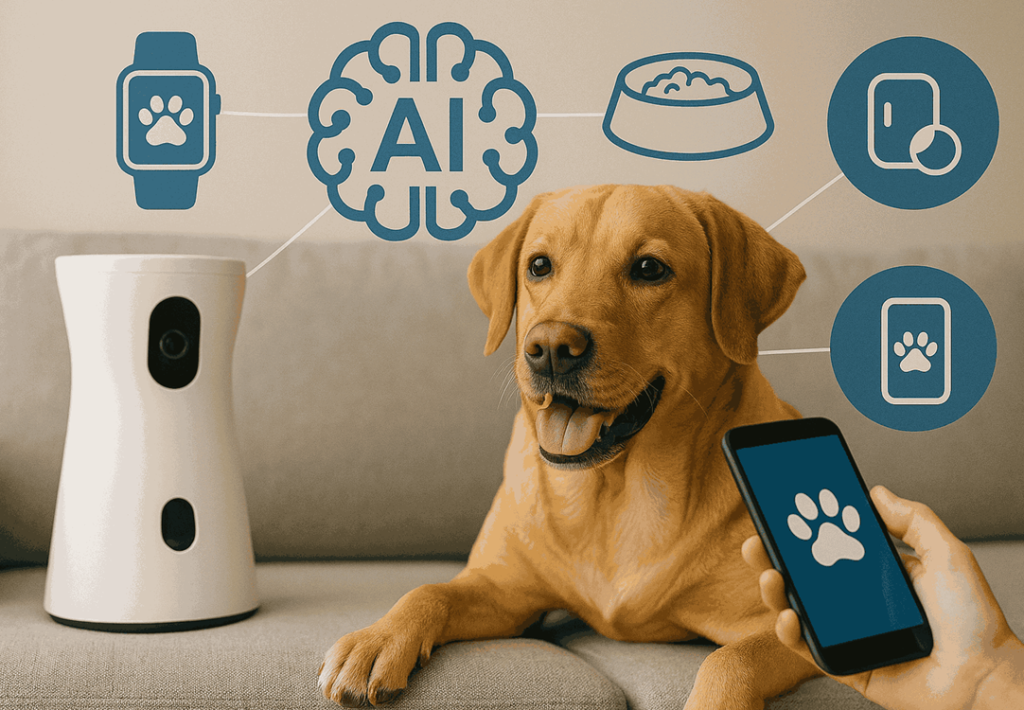
Moreover, the connectivity of these devices allows for integration with veterinary services, facilitating real-time health monitoring that keeps veterinarians informed and engaged in your pet’s care. This could potentially lead to customized health plans that evolve with your pet’s needs over time.
The understanding of our pets’ health is about to get a significant upgrade—are you ready to embrace it? In a society increasingly reliant on technology, pet owners have a remarkable opportunity to enhance the quality of life for their furry companions, making them happier and healthier than ever before.
DISCOVER MORE: Click here to learn about the emotional and practical benefits of adopting a pet
Revolutionizing Pet Care with Wearable Technology
The integration of wearable technology in the pet health sector is not just a trend; it’s a transformative shift in how we understand and manage our pets’ well-being. As pets become integral members of our families, the demand for smart solutions that monitor health and promote preventive care grows immensely. The innovation behind these devices lies in their capability to provide a comprehensive view of an animal’s health in real-time, allowing pet owners to make informed choices and interventions.
Real-Time Insights for Better Decisions
One of the standout features of wearable technology for pets is the ability to deliver real-time health insights. Devices equipped with advanced sensors can collect data continually, providing a much clearer picture of daily activities and health metrics. For instance, a pet owner can track the exact number of steps their dog takes each day, the average heart rate, and even the quality of sleep. Such insights are invaluable in helping pet owners identify trends or changes in behavior that may suggest underlying health problems.
These real-time metrics lead to actionable insights. If a cat usually averages 18 hours of sleep but suddenly begins sleeping 22 hours, it may indicate a health issue that warrants further investigation. Likewise, for dogs, activity patterns can be correlated with diet adjustments or medical evaluation. The key data points collected by these wearables include:
- Exercise and Playtime: Visibly monitor the levels of physical activity to motivate weight loss and assert healthy routines.
- Vital Signs Monitoring: Constantly track heart rate, body temperature, and even respiratory rates to catch health issues early.
- Behavioral Patterns: Analyze changes in behavior, such as excessive scratching or lethargy, which can indicate allergies or other health concerns.
According to a report by the American Veterinary Medical Association, keeping pets physically active is vital for maintaining their overall health. The rise of the pet obesity epidemic emphasizes the importance of tools that provide adequate monitoring; nearly 50% of pet owners reported the difficulty of managing their pet’s weight without significant guidance. Wearable technology specifically designed for pets can bridge this gap, helping owners take proactive measures to improve their pets’ health.
Bridging the Communication Gap with Vets
Moreover, the integration of wearable technology fosters better communication between pet owners and veterinarians. With streamlining data-sharing capabilities, these devices allow for a seamless exchange of health information. This collaborative approach strengthens the relationship between pet owners and healthcare providers, paving the way for more personalized care plans tailored to individual pets’ needs.
For example, if a wearable device indicates that a dog has been excessively yawning and scratching, the pet owner can share this data with their veterinarian prior to their next visit. This enables a more precise diagnosis and treatment plan, improving the odds of effective intervention. As this technology progresses, it is entirely plausible that wearable devices will not only assist in real-time monitoring but could also facilitate continuous communication with veterinarians, further enhancing the overall pet healthcare experience.
The potential of wearable technology lies in its capacity to enrich our understanding of pet health. It assists in fostering a more proactive approach to pet care, turning what was once reactive care—waiting for issues to arise—into a preventive strategy where issues are addressed before they escalate. The shift towards this innovative approach is paving the way toward a healthier future for our playful companions.
The Integration of Wearable Technology in Pet Health: Monitoring and Prevention
The integration of wearable technology in pet health represents a significant leap forward in the monitoring and prevention of various health issues among our beloved companions. As pet owners increasingly seek solutions to enhance their pets’ well-being, advanced gadgets like smart collars and health trackers have emerged as indispensable tools. These devices enable real-time tracking of vital signs, activity levels, and sleep patterns, providing valuable insights into a pet’s overall health status.
One of the key advantages of wearable technology is the potential for early detection of health problems. For instance, changes in a pet’s activity levels or heart rate may indicate underlying medical conditions. This proactive approach to pet health not only enhances the lifespan of pets but also reduces the financial burden associated with late-stage treatment options. Furthermore, continuous data collection allows veterinarians to make informed decisions, tailoring treatments to the specific needs of each pet.
| Category 1 | Category 2 |
|---|---|
| Health Monitoring | Real-time tracking of critical health metrics. |
| Preventive Care | Identifying potential health issues before they become serious. |
Moreover, the data collected by these devices can be easily shared with veterinary professionals, fostering a collaborative approach to pet care. As technology continues to evolve, the capabilities of wearable devices are expected to expand further. Innovations could lead to enhanced features such as GPS tracking and integration with mobile apps, allowing pet owners to not only monitor their pets’ health but also keep them safe. This convergence of technology and veterinary care marks a new era in pet health, offering more comprehensive solutions for monitoring and prevention.
DIVE DEEPER: Click here to uncover more alternatives
Enhancing Preventive Care Through Data-Driven Approaches
In the rapidly evolving landscape of pet healthcare, the advent of wearable technology is not only transforming how we monitor our pets but also enhancing preventive care strategies. By leveraging data analytics, pet owners can gain deeper insights into their pets’ health, enabling earlier intervention before minor issues escalate into serious conditions.
Data Collection and Interpretation
Wearable devices designed specifically for pets collect a wealth of data points, including activity levels, nutrition consumption, and vital signs. The challenge, however, lies in interpreting this data effectively. Many manufacturers are now partnering with veterinarians and data scientists to develop algorithms that analyze this information, making it comprehensible for pet owners. For instance, some advanced platforms provide personalized health reports that highlight potential concerns based on collected data.
Consider a scenario where a dog’s heart rate spikes unusually during exercise. A smart collar not only records this data but may also conclude that it signals potential cardiovascular issues. Equipped with this information, pet owners can consult with their veterinarians armed with precise data, leading to informed discussions and timely interventions. The ability to detect anomalies swiftly can be life-saving—potentially allowing for early diagnosis of conditions like heart disease, diabetes, or arthritis.
The Role of Mobile Applications
With the rise of wearable technology for pets, mobile applications play a significant role in their functionality. Many pet health wearables sync with dedicated applications that provide users with dashboards displaying health metrics, activity logs, and reminders for vaccinations and vet appointments. For instance, the popular app Petcube integrates with wearable devices to monitor pets’ activities in real-time and allows owners to set goals for exercise and nutrition.
Furthermore, these apps increasingly incorporate community features, enabling pet owners to connect with others, share experiences, and compare health metrics. This sense of camaraderie in pet ownership supports the notion of preventive care; by exchanging knowledge and strategies, owners become more proactive. According to a study by the Association for Pet Obesity Prevention, pet owners who engage with community resources are 30% more likely to maintain their pet’s recommended activity levels, showcasing the impact of digital engagement in encouraging healthier lifestyles.
Cost-Effectiveness and Accessibility
The affordability of wearable technology is another notable aspect of its integration into pet health. With devices now available in a range of price points, they are becoming increasingly accessible to a broader demographic of pet owners. Some pet insurers are even beginning to reimburse for wearable devices, recognizing their value in preventive care. By investing in these technologies, pet owners may potentially save significant amounts on veterinary bills in the long run through early detection of health issues.
According to a report from MarketWatch, the global pet wearable market is projected to reach $2.36 billion by 2027, reflecting a growing acceptance and reliance on technology in the pet care sphere. This rise not only indicates potential financial benefits for pet owners but also signifies an increasing awareness of the importance of preventive health care for pets, further encouraging innovation within the industry.
In summary, as the integration of wearable technology continues to expand within the realm of pet health, it promises significant advancements in how we monitor and maintain our pet’s wellness. By fostering early detection, improving communication with veterinarians, and promoting community engagement, these tools are reshaping the framework of pet preventive care and leading to healthier, more active lives for our furry family members.
LEARN MORE: Click here to dive into the importance of socialization for happy pets
Conclusion: A New Era in Pet Health Management
The integration of wearable technology in pet health is ushering in a transformative era for pet owners and their furry companions. With continuous advancements in data collection and interpretation, pet wearables offer invaluable insights into our pets’ well-being, allowing for proactive health management. By capitalizing on the information gathered through these innovative devices, pet owners can be better equipped to detect potential health issues early on, effectively turning data into actionable health strategies.
Furthermore, the collaboration between technology developers and veterinary professionals underscores a growing trend toward holistic pet care. As mobile applications enhance user experience and foster community engagement, pet owners now have the tools to connect, share, and learn from each other, promoting preventive practices that ultimately benefit pet health across the board. The community aspect is particularly vital; by learning from one another’s experiences, owners can adopt healthier routines for their pets, creating a supportive environment for proactive care.
Cost-effectiveness further broadens the appeal of such technologies, making preventive health monitoring not just a luxury for pet owners but an accessible resource for the masses. As the market for pet wearables continues to grow, we anticipate significant advancements in their functionality and affordability, leading to improved health outcomes for pets nationwide.
In summary, the rise of wearable technology represents a pivotal shift in how we approach pet health monitoring and prevention. As we embrace these innovations, we are not only enhancing the quality of life for our pets but also reinforcing the bond between humans and animals. The future of pet healthcare lies in our willingness to embrace data, technology, and community, paving the way for healthier, happier lives for our beloved companions.