Benefits of Animal-Assisted Therapy in Human and Animal Life
Discovering the Impact of Animal-Assisted Therapy
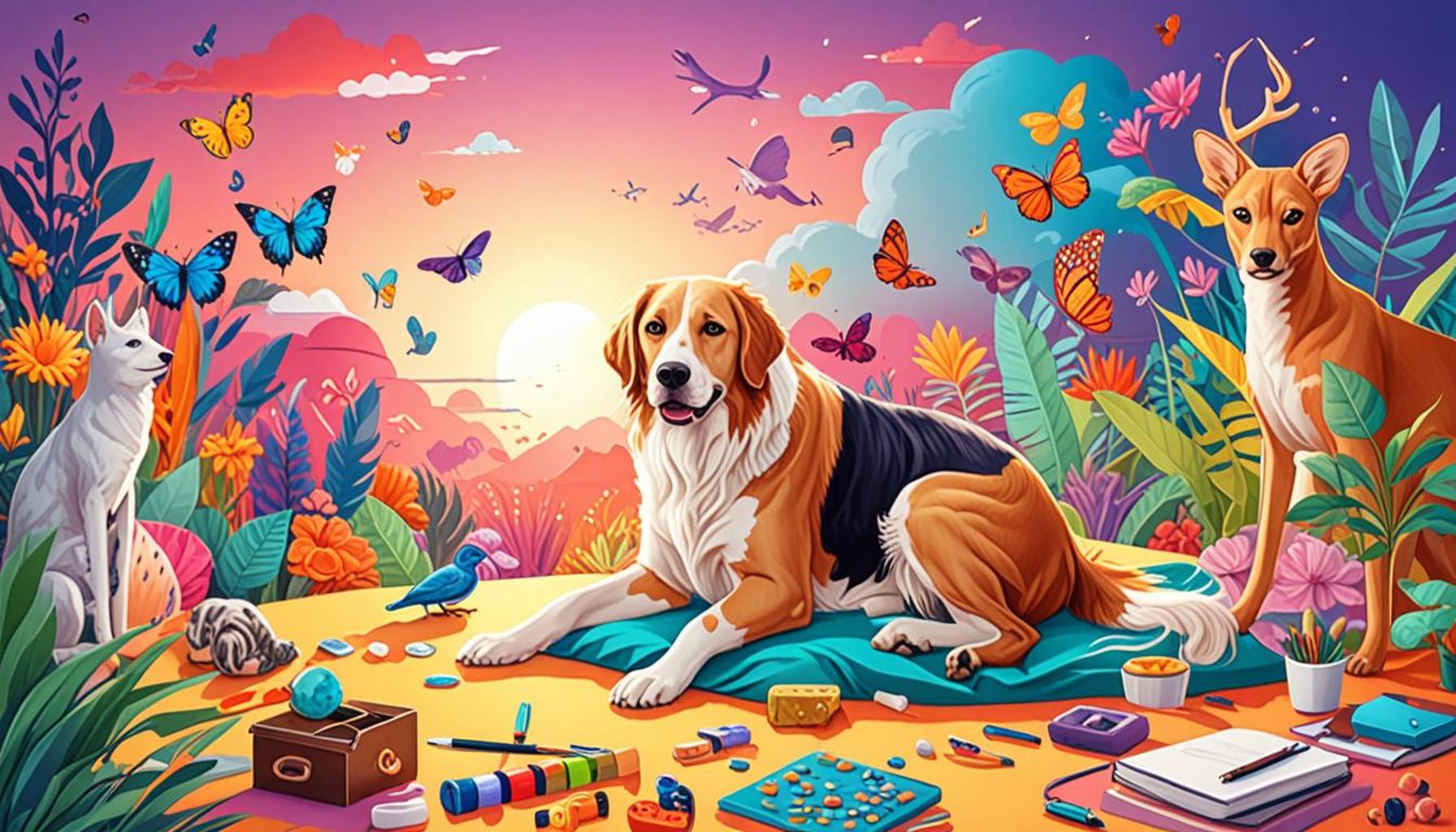
Animal-Assisted Therapy (AAT) has gained significant traction over the last few decades, emerging as a compelling strategy that harnesses the bond between humans and animals to improve emotional, physical, and social well-being. This therapeutic practice goes beyond mere companionship; it builds a bridge of connection that can lead to transformative outcomes for individuals of all ages.
Research indicates that AAT can significantly enhance various dimensions of mental and physical health. For instance, many individuals grappling with emotional support challenges such as anxiety and depression have found solace in the presence of certified therapy animals. These specially trained animals offer unconditional love and companionship, which can lead to decreased anxiety levels and improved moods. A study conducted by the University of Missouri found that simply petting a dog can lower cortisol levels, the hormone associated with stress, and increase oxytocin production, which is linked to bonding and affection.
In terms of physical rehabilitation, patients recovering from injuries or surgeries often find renewed motivation through interactions with therapy animals. For example, in rehabilitation centers nationwide, horses are increasingly used in equine therapy programs to aid individuals in regaining strength and mobility. The process of caring for and riding a horse encourages patients to partake in crucial physical activities, accelerating their recovery while also providing emotional joy.
Moreover, AAT can play a pivotal role in social interaction. Animals, particularly dogs, serve as icebreakers and catalysts for communication in group therapy sessions or community programs. A notable program in New York City used therapy dogs to help children with autism spectrum disorders improve their social skills, which subsequently led to better peer interactions and community engagement.
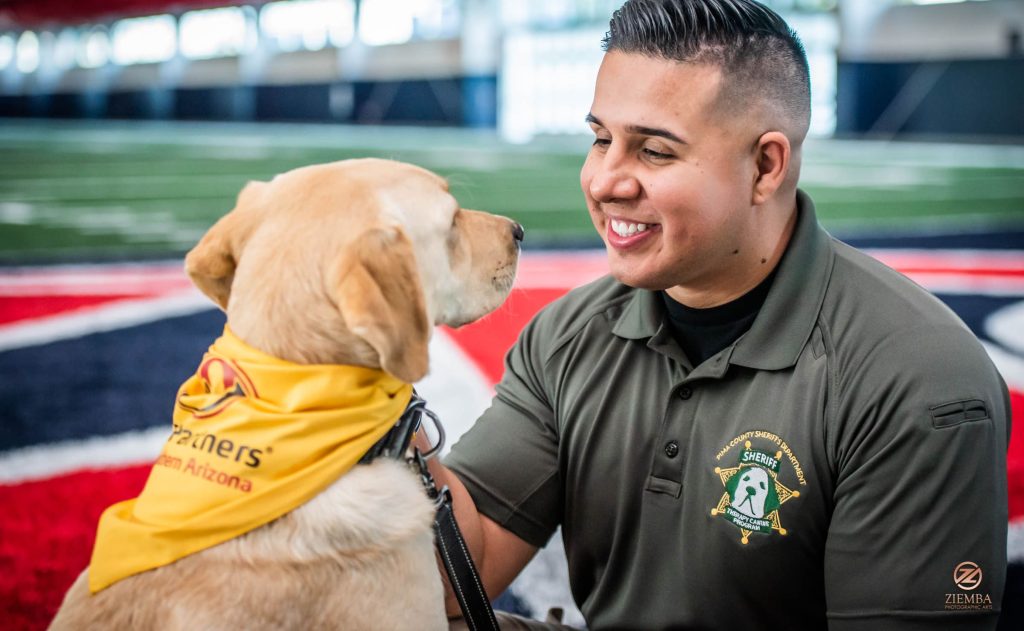
However, the benefits of AAT extend beyond the human participants. Therapy animals themselves experience profound advantages. The structured environment of therapy settings promotes their enhanced well-being, fostering a sense of purpose. Research has shown that therapy animals exhibit lower stress levels when engaged in AAT, as the interactions contribute to their physical and mental health. These animals thrive on the love and attention they receive, and their regular involvement in therapeutic practices allows them to lead fulfilling lives.
As we delve deeper into the myriad advantages of Animal-Assisted Therapy, it becomes clear that it offers a unique opportunity for holistic healing. The synergistic relationship formed between humans and animals not only nurtures the individual but also fosters a compassionate bond essential for mutual growth and understanding. This burgeoning field invites further exploration into its diverse applications and potential, encouraging healthcare providers and families alike to consider the profound impacts AAT could have on their lives.
DON’T MISS: Click here to learn about essential nutrients for your pets
The Multifaceted Advantages of AAT
Animal-Assisted Therapy (AAT) offers a range of benefits that can significantly impact both human and animal lives. This holistic approach to therapy encompasses various elements that cater to the emotional, social, and physical needs of individuals. By exploring the varied applications of AAT, we can better understand how this practice enhances wellness across different demographics.
Emotional Benefits of Animal-Assisted Therapy
One of the most compelling aspects of AAT is its ability to promote emotional healing. The presence of therapy animals can create a calming environment, fostering a sense of security and trust among participants. Several studies have documented the remarkable improvements in emotional health reported by individuals engaging with therapy animals:
- Reduced Anxiety and Depression: Engaging with therapy animals has been shown to decrease feelings of loneliness, anxiety, and depression, fostering an improved emotional state. Individuals often report greater emotional resilience and increased feelings of happiness.
- Enhanced Self-Esteem: The non-judgmental affection provided by therapy animals helps build confidence in individuals, especially those who may struggle with self-image issues. By caring for these animals, participants often feel a sense of achievement and purpose.
- Increased Socialization: Therapy animals facilitate interactions not only between the animal and the individual but also among participants in group settings, promoting meaningful relationships and social skills development.
Physical Health Improvements
Beyond emotional benefits, AAT is gaining recognition for its positive influence on physical health. For individuals recovering from injuries or chronic conditions, interactions with therapy animals can be both motivating and beneficial. Key physical health benefits include:
- Improved Mobility: Activities such as grooming, walking, or interacting with therapy animals encourage physical activity, prompting patients to use their bodies in ways that promote strength and coordination.
- Pain Reduction: The comfort and companionship provided by therapy animals can contribute to reduced perceptions of pain, making rehabilitation processes more manageable.
- Development of Motor Skills: For those in physical therapy, AAT can be instrumental in developing fine and gross motor skills, as tasks involving animals require coordination and control.
The Role of AAT in Different Settings
AAT can be effectively integrated into various therapeutic contexts, enhancing the experiences of individuals from all walks of life. Whether in hospitals, schools, or rehabilitation centers, the advantages of involving therapy animals are evident. In children’s hospitals, for example, therapy dogs not only provide comfort to young patients but also ease the fear associated with medical procedures. In rehabilitation facilities, therapy horses can be invaluable in helping patients rebuild physical strength while creating a joyful learning experience.
By recognizing and integrating the expansive benefits of Animal-Assisted Therapy into diverse aspects of treatment, we can cultivate a more compassionate and effective approach to healing—one that continues to enrich both human and animal lives alike.
Exploring the Transformative Effects of Animal-Assisted Therapy
Animal-Assisted Therapy (AAT) has garnered significant attention for its profound impact on both humans and animals. This innovative therapeutic approach utilizes animals to provide comfort, support, and motivation, fostering emotional and psychological healing. With its growing prevalence, many are discovering the multifaceted advantages of engaging with trained therapy animals.
The Impact on Human Well-Being
Studies have demonstrated that interaction with therapy animals can lead to a decrease in anxiety, reducing stress levels, and enhancing overall mood. Patients undergoing AAT often experience improved communication skills, particularly in children with autism or those suffering from trauma. This therapy offers a unique bonding experience, enabling individuals to open up in a non-threatening environment, facilitating greater emotional connection.
Benefits for Our Furry Friends
While AAT primarily focuses on human benefits, the animals involved also reap substantial rewards. Engaging in structured therapy enhances their social skills and cognitive functions. Moreover, therapy animals often receive specialized training which enriches their interactions and provides them with a sense of purpose, ultimately contributing to their well-being.
| Human Benefits | Animal Benefits |
|---|---|
| Reduction in anxiety and stress | Enhanced social skills and cognitive functions |
| Improved communication and bonding | Sense of purpose and enrichment from training |
Overall, AAT serves as a bridge between humans and animals, allowing for mutual growth and healing. As research continues to showcase its benefits, AAT is poised to become an integral component of therapeutic practices, inviting both humans and their animal companions to embark on a journey of emotional and psychological wellness.
LEARN MORE: Click here for effective techniques
Fostering Connections Through Animal-Assisted Therapy
Animal-Assisted Therapy (AAT) not only enhances individual therapeutic experiences but also plays a pivotal role in fostering connections between humans and animals. This unique bond is essential as it lays the foundation for not only personal growth but also social cohesion in communities. The transformative power of AAT extends beyond direct interactions, influencing wider societal norms and valuing the relationship between humans and animals.
Strengthening Bonds and Reducing Isolation
AAT significantly contributes to reducing social isolation, particularly among vulnerable populations such as the elderly, individuals with disabilities, and those living with mental health challenges. The companionship exhibited by therapy animals creates a sense of belonging and can decrease feelings of loneliness. Notably, therapy interventions in senior living facilities incorporating dogs or cats have shown promising results in:
- Encouraging Communication: The presence of therapy animals prompts conversations, aiding those who may struggle to express themselves verbally. This can be crucial for individuals with cognitive decline, such as those with Alzheimer’s disease, as pets often act as conversation catalysts.
- Enhancing Group Activities: Social activities involving therapy animals can lower barriers for participation, making group interactions more enjoyable and less intimidating for residents.
- Creating New Friendships: AAT can facilitate new connections among participants, particularly in group settings where shared experiences with animals encourage friendships to form organically.
The Impact of AAT on Children and Education
In educational settings, AAT provides an innovative method for addressing various challenges faced by students. Integrating therapy animals in schools can support emotional and academic development in remarkable ways:
- Improved Focus and Attention: Studies have found that children working with therapy animals exhibit better concentration and increased attention spans, which can significantly enhance their learning experiences.
- Support for Special Education Needs: Therapy animals can be particularly beneficial for children with autism spectrum disorders and other special needs. The presence of a non-threatening animal encourages comfort and reduces anxiety, enabling these children to engage more effectively in their learning environment.
- Boosting Literacy Skills: Reading to therapy animals has gained popularity in schools. This non-judgmental audience allows children who struggle with reading to practice in a stress-free atmosphere, boosting their confidence and skills.
Benefits for Therapy Animals Themselves
It’s important to note that Animal-Assisted Therapy is a mutually beneficial initiative; therapy animals also derive advantages from their involvement. These benefits include:
- Increased Socialization: Therapy animals, often dogs, interact with various individuals in different settings, enriching their experiences and enhancing their social skills.
- Improved Physical Health: Engaging in therapy work keeps animals active, promoting better physical health through exercise and mental stimulation.
- Stronger Bonds with Handlers: Therapy animals build deep connections with their handlers, leading to emotionally fulfilling relationships and enhancing the overall effectiveness of the therapy provided.
In acknowledging the reciprocal relationship between humans and therapy animals, we begin to appreciate how AAT promotes not only healing for individuals but also enriches the lives of the therapy animals themselves. This interconnectedness underscores the importance of understanding and utilizing AAT as a valuable tool in various therapeutic environments.
DISCOVER MORE: Click here for effective training tips
Conclusion: A Lifeline for Healing and Connection
The multifaceted benefits of Animal-Assisted Therapy (AAT) extend far beyond traditional therapeutic boundaries, creating profound impacts on both human and animal lives. As we have explored, AAT fosters essential connections, significantly reducing social isolation, especially among vulnerable groups like the elderly and those with special needs. The incorporation of therapy animals in healthcare and educational settings not only cultivates emotional and social well-being but also enhances academic engagement.
Moreover, the elevating effects of AAT reach animals themselves, as they thrive on social interactions, become more active, and establish stronger bonds with their handlers. This reciprocal relationship emphasizes the mutual benefits reaped by all participants in a therapy setting. Furthermore, the powerful role of AAT in cultivating empathy and understanding between humans and animals will likely inspire continued research and exploration into innovative therapeutic practices.
As awareness of these benefits grows, communities across the United States are embracing AAT as an essential tool in promoting mental health, emotional resilience, and social inclusion. For those looking to explore the possibilities that Animal-Assisted Therapy may offer, the journey is just beginning. The stories of healing, connection, and transformation stand as a testament to the profound impact that animals can have on human lives, serving as a reminder of our shared existence and interdependence. The question remains: how will we utilize this remarkable form of therapy to foster a healthier world for both humans and animals alike?