Tips for Choosing Safe and Educational Toys for Your Pet
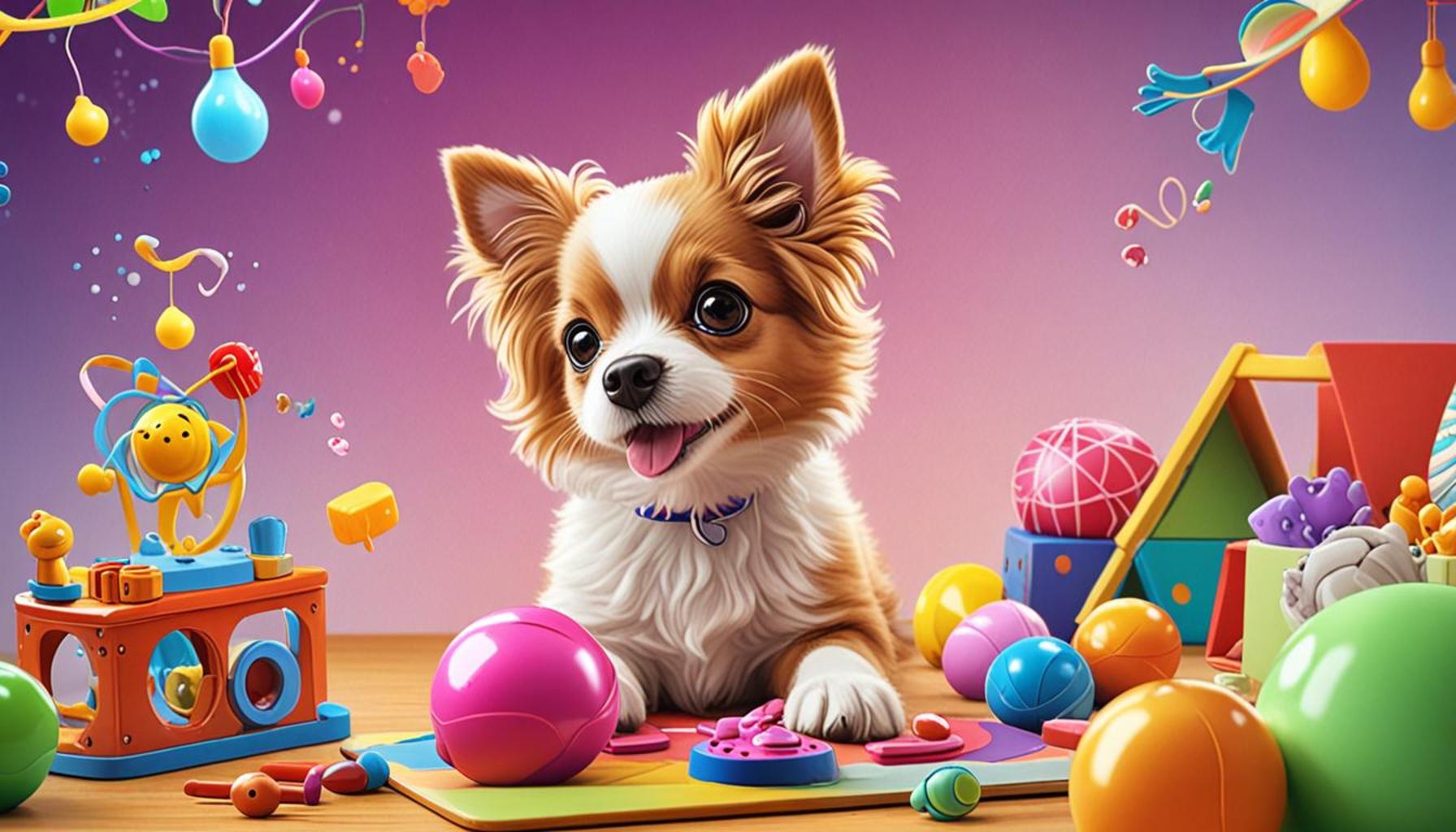
Essential Considerations When Selecting Pet Toys
When it comes to choosing toys for your beloved pet, the abundance of options can be daunting. With countless varieties available on the market, it’s crucial to prioritize material safety, size appropriateness, and durability. These factors are key not only in ensuring your pet’s safety but also in fostering their skill development and overall joy.
Material Safety: The materials used in pet toys are paramount. Look for toys labeled as “non-toxic” and free from harmful chemicals, especially if your pet tends to chew. Popular materials that are generally safe include natural rubber and organic cotton, both of which can offer peace of mind. Additionally, many manufacturers are now emphasizing eco-friendly materials, which not only keep pets safe but also contribute to environmental protection.
Size Appropriateness: The size of the toy significantly impacts your pet’s safety. A toy that is too small may pose a choking hazard, especially for larger breeds, while oversized toys might not be easily manipulated by smaller pets. For example, a small dog may struggle with a heavy rubber ball that is designed for larger breeds. To mitigate these risks, it’s recommended to choose toys that are specifically designed with your pet’s breed and size in mind, often indicated in product descriptions.
Durability: Pets, especially those with a penchant for vigorous play, require toys that can withstand their energy. Toys made from high-quality materials, such as tough nylon or reinforced stitching, are ideal for heavy chewers. Always consider your pet’s play style—while some may gently toss a squeaky toy, others might relentlessly chew it. Products with reinforced seams and those labeled as “indestructible” are better suited for these enthusiastic players.

Enhancing Cognitive Development with Educational Toys
Beyond entertainment, educational toys can significantly boost your pet’s cognitive development. These toys create an environment for problem-solving and active engagement.
- Interactive Puzzle Toys: These toys challenge your pet to think critically and are excellent for breeds known for their intelligence, such as Border Collies and Poodles. Puzzle toys can involve hiding treats within compartments that require specific actions to retrieve, fostering an engaging activity.
- Treat-Dispensing Toys: These combine a pet’s natural desire for food with playtime. Toys like the Kong, which can be filled with peanut butter or treats, are a favorite among dog owners. They encourage pets to work for their food, providing mental stimulation and delaying eating times.
- Fetch Toys: Traditional fetch toys, like flying discs or balls, are perfect for outdoor play. Not only do they promote exercise, but they also enhance coordination and agility, significantly improving physical health and providing an excellent outlet for energy.
By investing time to choose toys that prioritize safety and educational value, you are actively contributing to your pet’s happiness and well-being. These toys not only provide essential stimulation but also serve as a wonderful way to deepen the bond between you and your pet. Exploring the vast array of toy options available can lead to delightful discoveries that enrich your pet’s life and enhance your shared experiences.
CHECK OUT: Click here to discover why behavioral training is crucial for your dog’s socialization
Understanding Your Pet’s Needs
When selecting toys for your pet, it’s essential to understand their unique personality, energy levels, and behavioral tendencies. Not all pets engage with toys in the same way; therefore, tailoring your selections to your furry friend’s preferences can greatly enhance their playtime experience. Observing and understanding how your pet interacts with their environment can inform your choices and lead to more effective learning and play opportunities.
Energy Levels: Active pets, such as Retrievers and Terriers, thrive on toys that require physical exertion. Items designed for fetch, tug-of-war, or those that encourage running are ideal for these high-energy breeds. In contrast, smaller or less active pets may prefer soft, plush toys that they can chew or snuggle with. By evaluating your pet’s activity levels, you can choose toys that challenge them physically while also ensuring they remain engaged.
Behavioral Tendencies: Understanding your pet’s natural instincts is equally crucial in choosing the right toys. For example, dogs have a natural inclination to chew, chase, or dig. Chew toys, such as durable bones or flavored rubber toys, can satisfy this instinct while promoting dental health. On the other hand, cats may enjoy climbing and scratching, making interactive toys with feathers or balls that mimic prey ideal for stimulating their hunting instincts.
Educational Value in Toys
In addition to physical play, selecting educational toys can enhance your pet’s cognitive abilities, keeping their minds sharp and engaged. Here are a few types of educational toys that you might consider:
- Training Toys: Toys that aid in training can be beneficial for both pets and owners. Items that dispense treats when certain actions are performed encourage pets to learn commands and engage in structured play, reinforcing positive behaviors.
- Interactive Feeder Toys: These toys not only provide stimulation but also help with portion control. They require pets to work for their food, making mealtime a challenging and rewarding experience, particularly for dogs prone to overeating.
- Hide-and-Seek Toys: Toys that involve hidden compartments or layers can stimulate a pet’s natural curiosity and problem-solving skills. These toys often require pets to strategize on how to uncover treats, blending play with learning.
Choosing toys that align with your pet’s energy levels and instincts, while also incorporating educational elements, can significantly enhance their quality of life. Not only do these toys provide fun, but they also foster a deeper connection between you and your pet as you engage in interactive play sessions. Emphasizing both safety and educational value in your selections leads to a happier, healthier pet.
Understanding Your Pet’s Needs
Choosing safe and educational toys for your pet involves understanding their species, size, and individual personalities. For instance, dogs may enjoy toys that promote chewing or fetch games, while cats might prefer toys that simulate hunting, like feather wands or laser pointers. It’s essential to consider your pet’s age as well, as young pets have different needs compared to mature animals. Selecting toys that cater to their natural instincts can significantly enhance their mental stimulation and physical health.
Materials Matter
When selecting toys, always check the materials used in their construction. Opt for toys made from non-toxic, durable materials that minimize the risk of breakage or ingestion. Look for certifications or labels that indicate the toy is safe for pets. Additionally, steer clear of small parts that can pose a choking hazard, especially for small breeds or curious young pets. Researching brands known for their commitment to safety can help ensure you’re making an informed choice.
Interactive Play
Interactive toys, such as puzzle feeders and treat-dispensing balls, provide great opportunities for mental engagement. These toys not only make mealtime exciting but also stimulate your pet’s problem-solving skills. Engaging your pet in interactive play can strengthen your bond while keeping them entertained. Take time to rotate different toys to maintain their interest and prevent boredom.
Regular Inspection and Maintenance
Lastly, make it a habit to regularly inspect your pet’s toys for any signs of wear and tear. Over time, toys can break down and lose their safety. Discard any damaged toys immediately to avoid potential accidents. Keeping your pet’s toys clean is also essential in preventing any health risks. Wash safe toys regularly and replace them when necessary to keep your furry friend safe and healthy.
| Category | Details |
|---|---|
| Material Safety | Use non-toxic, durable materials that are safe for pets. |
| Interactive Play | Toys that promote engagement help with mental stimulation and bonding. |
| Regular Maintenance | Inspect toys regularly for damage and cleanliness to ensure safety. |
DISCOVER MORE: Click here to learn about effective cat training techniques
Materials Matter: Safety First
When it comes to selecting toys for your pet, safety is paramount, and this begins with understanding the materials used in toy construction. Many toys are coated in chemicals that can be harmful when ingested or when pets are in prolonged contact. Always opt for toys made from non-toxic, durable materials. Look for certifications from organizations like the American Society for Testing and Materials (ASTM) which indicate that the toy has been tested for safety.
Common Safe Materials: Rubber, specifically natural rubber, is a popular choice as it is both durable and non-toxic. Nylon and hard plastic can also be safe options, but it’s essential to check for any small pieces that could break off and pose a choking hazard. For pet lovers seeking plush toys, ensure they are made from non-toxic fabrics and avoid any items with small beads or buttons that can be easily removed.
Unsafe Materials: Toys made from PVC, vinyl, or any toys that have hard elements, like small bells or squeakers, can be problematic. These materials might not stand the test of time as pets tend to chew and gnaw, which could lead to ingestion of harmful substances. Moreover, anything with sharp edges or small parts can pose choking risks or cause internal injuries if swallowed. Always be vigilant and read product labels carefully to assess potential hazards.
Age-Appropriate Selections
Just like children, different pets have varying needs based on their age. It is crucial to consider your pet’s life stage when selecting toys. Puppies and kittens, for example, are notorious for teething and with their tendency to chew, they require softer toys that relieve discomfort without compromising safety. Look for puppy-specific toys designed to withstand their chewing while being gentle on their developing teeth.
On the other hand, senior pets often have reduced chewing power but may still love to play. Toys that stimulate gentle interaction but are not too challenging are suitable for them—consider soft plush toys or gentle tugging items. Moreover, as pets age, they might exhibit cognitive decline, where puzzle toys can come to the rescue by providing mental stimulation.
Supervised Playtime
No matter how safe or durable the toy, supervision is always essential during playtime, particularly when introducing new toys. This is especially critical for puppies and young pets, who are often more prone to chewing off and swallowing pieces. Establishing a routine where you monitor your pet’s interactions with toys can provide you insight into what they enjoy and may also alert you to any safety concerns.
Regular Inspections: It’s wise to conduct frequent inspections of your pet’s toys. Look for any signs of damage such as fraying, cracking, or bits that seem to be missing. Rotating toys can help keep them fresh and engaging for your pet, and it also allows you to closely monitor their condition. If a toy begins to show wear and tear, it’s best to retire it to avoid hazards.
By prioritizing material safety, considering age-appropriate designs, and supervising playtime, you can enhance your pet’s play experience while ensuring that education and safety go hand in hand. Give your furry friend the gift of safe and stimulating toys that not only keep them entertained but also promote their overall health and well-being.
DIVE DEEPER: Click here to uncover your perfect pet
Final Thoughts on Choosing the Right Toys for Your Pet
In conclusion, selecting safe and educational toys for your pet is a critical aspect of responsible pet ownership. By focusing on non-toxic materials, considering your pet’s age and developmental needs, and ensuring proper supervision during play, you not only enhance their playtime but also safeguard their health and well-being. The use of durable materials such as natural rubber and non-toxic fabrics can significantly reduce the risks associated with pet toys, promoting a safer play environment.
Additionally, regular inspections and rotations of toys can keep your pet engaged while allowing you to monitor their condition closely. This proactive approach helps avoid hazards before they become serious issues. Remember that it’s essential to choose toys that also challenge and stimulate your pet, which can promote mental agility and physical health.
Lastly, while the market is flooded with options, becoming informed about the specific needs of your pet is invaluable. Take the time to research and select toys that not only entertain but educate. Whether through interactive puzzle toys for cognitive stimulation or soft plush items for comfort, the right toys can play a significant role in enriching your pet’s life. By making mindful choices today, you contribute to their happiness and safety, fostering a bond that is as strong as it is joyful.