Nutrition and Oral Health: How Diet Can Prevent Dental Problems in Dogs and Cats

The Essential Role of Nutrition in Promoting Dental Health in Pets
The health of your furry friends goes beyond regular vet visits and cleanings; it begins with what they eat. Nutrition plays a vital role in maintaining optimal oral health for dogs and cats. An appropriate diet can help prevent prevalent dental issues, ensuring your pets lead happy, healthy lives. Just as with humans, what pets ingest can dramatically influence their overall health, including their dental wellbeing.
Many pet owners may not realize that certain foods can contribute to the buildup of plaque and tartar. For instance, soft, carbohydrate-heavy foods can cling to teeth, creating a breeding ground for bacteria. Here are some key factors to consider for improved dental health:
- High-quality proteins: These are essential for tissue repair and overall vitality. Proteins like chicken, beef, and fish help maintain healthy gums and support tissue regeneration.
- Crunchy kibble: Opting for dry kibble rather than wet food can aid in mechanically scrubbing teeth during chewing, thereby reducing plaque buildup. Brands that promote oral health usually have special kibble shapes designed for this purpose.
- Dental treats: Look for treats that are specially designed to promote oral health among pets. They often contain ingredients that help reduce plaque and freshen breath, making them a great addition to your pet’s diet.
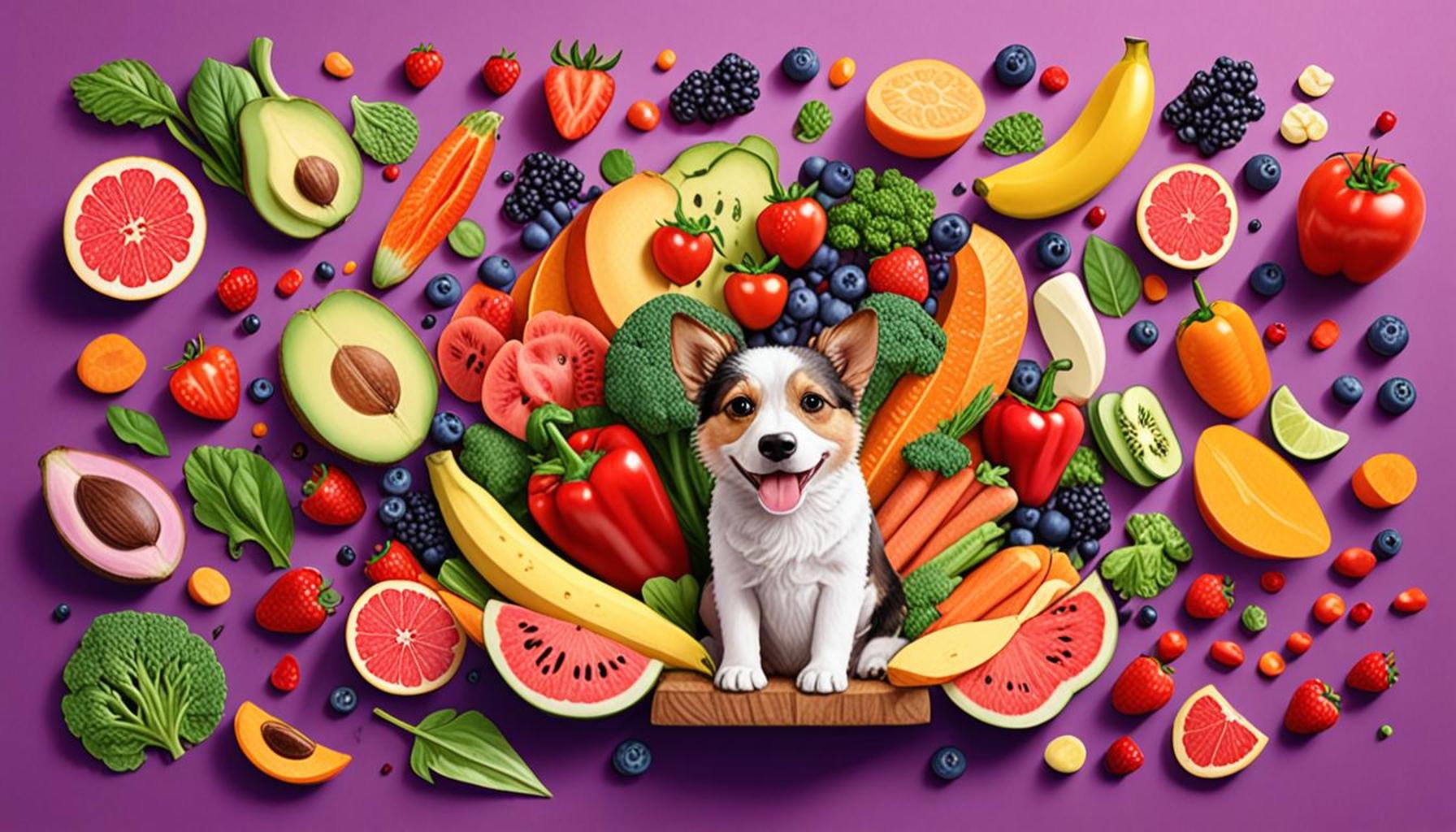
- Raw vegetables: Incorporating crunchy vegetables like carrots and apples can serve not only as healthy snacks but also support dental cleanliness. Additionally, these snacks tend to be lower in calories, adding to a balanced diet.
Moreover, certain nutrients have been shown to specifically fortify oral health:
- Omega-3 Fatty Acids: Found in fish oil, these powerful nutrients help reduce inflammation in the gums—an essential factor in preventing gum disease.
- Antioxidants: Ingredients like blueberries and spinach combat oxidative stress within the mouth, potentially preventing damage from harmful bacteria.
- Calcium and Phosphorus: Vital for the structural integrity of teeth, these minerals are crucial for both strong teeth and bones.
By understanding the impact of nutrition on oral health, you can take proactive steps to prevent dental problems in your pets. Regularly consult with your veterinarian to choose the best dietary options tailored for your pet’s specific needs. This article will explore various strategies to integrate better dietary choices for your dogs and cats, ensuring their smiles stay as bright as their personalities. With informed choices, you contribute not just to your pet’s oral health, but also to their overall quality of life.
DIVE DEEPER: Click here to explore alternative pet treatments
Understanding How Dietary Choices Impact Dental Health
When it comes to the oral health of our beloved pets, choices in nutrition are paramount. It’s essential to recognize that dietary composition is more than just a means to feed our dogs and cats; it’s a determining factor in their dental health. Research indicates that poor nutrition can lead to increased risks of dental conditions such as gingivitis, periodontal disease, and even tooth loss. In contrast, a well-balanced diet can strengthen teeth and gums, mirroring the vital role that nutrition plays in human health.
One of the most significant aspects of pet nutrition that directly affects oral health is the balance of macronutrients and micronutrients. Proteins and fats are essential for overall vitality, yet carbohydrates, particularly in soft forms, can lead to dental issues. When pets consume carb-rich foods, especially those that are moist and sticky, these can adhere to their teeth, fostering an environment for harmful bacterial growth. The results can be dire, leading to plaque accumulation and subsequent dental diseases.
The Importance of Texture and Structure in Pet Foods
The texture of what your pets consume plays a crucial role in preventing dental problems. Incorporating dry food into your dog’s or cat’s diet can serve as a practical method to enhance dental hygiene. Chewing dry kibble aids in mechanically removing plaque from teeth, creating a ‘scrubbing’ action. Furthermore, many pet food brands have developed special formulas that feature larger or uniquely shaped kibble designed specifically to promote dental health. These innovations are vital for ensuring your pet’s teeth remain healthy over time.
Highlighting Key Nutrients for Optimal Oral Care
In addition to food texture, the right balance of essential nutrients can bolster oral health. Certain vitamins and minerals support not only the strength of teeth and bones but also the maintenance of healthy gums. Here are some important nutrients to include:
- Vitamin C: An essential vitamin that helps maintain healthy gums and boosts the immune system. Dogs can synthesize it, but adding vitamin C through foods like bell peppers and broccoli can be beneficial.
- Calcium: This vital mineral is necessary for maintaining strong teeth and bones. Dairy products and certain leafy greens can be excellent sources.
- Phosphorus: Works in tandem with calcium to bolster dental health; meat and fish are great sources of phosphorus.
- Vitamins A and D: Both are instrumental for oral health. Vitamin A is vital for tissue regeneration while vitamin D impacts calcium absorption.
By recognizing how these nutrients and dietary factors influence your pet’s dental health, you can make informed decisions that lead to a happier, healthier life for your furry companions. Maintaining a diet rich in essential nutrients, complemented by the right texture, sets the foundation for preventing dental issues. As we continue to explore effective dietary strategies, it becomes clear that a proactive approach to nutrition directly correlates with improved oral health in dogs and cats.
Understanding the Role of Nutrition in Oral Health
Nutrition plays a crucial role in maintaining the oral health of our furry friends. Proper diet not only supports overall health but also significantly impacts dental hygiene. Let’s dive into how specific nutrients contribute to preventing dental issues in dogs and cats.
The Importance of Dental-Specific Nutrients
Certain nutrients are vital for dental health. For instance, calcium and phosphorus are essential for the development and maintenance of strong teeth and bones. Foods rich in these minerals help to strengthen enamel and reduce the likelihood of decay. Similarly, omega-3 fatty acids are known for their anti-inflammatory properties, promoting healthy gums and an overall reduction in periodontal disease.
Impact of Diet on Plaque and Tartar Formation
The types of food we provide directly influence the formation of plaque and tartar. Dry kibble tends to have a mechanical cleaning effect on teeth, decreasing the accumulation of harmful bacteria and food particles. This is in stark contrast to wet food, which might contribute to plaque buildup due to its higher moisture content. Choosing a balanced diet that incorporates specialized dental diets can help manage oral health more effectively.
| Category 1 | Category 2 |
|---|---|
| Nutrient Impact | Essential for preventing decay |
| Diet Type | Wet vs. Dry food considerations |
Behavioral Considerations
In addition to the nutritional aspects, behavioral patterns surrounding meals can also affect dental health. Chewing not only serves to clean the teeth but also enriches the overall eating experience. Engaging pet toys and dental chews can provide an effective way to promote oral hygiene while satisfying your pet’s instinctual needs.Understanding the intersection of nutrition and oral health will empower pet owners to make informed choices. By prioritizing diet, you can contribute significantly to your pet’s dental well-being and overall quality of life, ensuring your beloved companions remain healthy and vibrant.
DISCOVER MORE: Click here for additional tips
Integrating Dental Chews and Treats into Your Pet’s Diet
Aside from selecting the right kind of food for your pets, incorporating dental chews and treats can significantly contribute to maintaining oral hygiene. These specially formulated products are designed not only to satisfy your pet’s need for chewing but also to promote good dental health. Many of these chews have an architecture that encourages chewing in a way that helps break down plaque and tartar buildup as well. Look for options that are endorsed by veterinary dental associations, as these are specifically designed with pets’ oral health in mind.
Moreover, the act of chewing can act as a natural stress reliever for many pets. It provides mental stimulation and keeps them engaged, which is essential for overall well-being. Popular ingredients in dental chews include natural enzymes that aid in plaque reduction, and the right combination of textures to maximize the scrubbing effect of chewing. However, be mindful to choose chews that are appropriate for your pet’s size and dental condition to prevent any choking hazards or further dental issues.
Quality vs. Quantity: Choosing the Right Pet Food
Not all pet foods are created equal when it comes to fostering dental health. It’s essential to review the ingredient list on pet food packaging, as lower-quality products may contain fillers and sugars that can contribute to dental problems. Opt for brands that prioritize whole protein sources, limit artificial additives, and are free from excessive carbohydrates. The higher quality the food, the better the health of your pet’s teeth and gums.
Additionally, consider moisture content. While dry kibble is beneficial for scraping teeth, some pets may also benefit from wet food as part of a balanced diet. It’s crucial to strike a balance that works for your pet’s unique needs—consult your veterinarian for tailored recommendations on integrating different food types based on your pet’s age, weight, and health status.
The Role of Regular Veterinary Dental Care
While diet is paramount in preventing dental issues in dogs and cats, it’s vital to remember that no amount of nutrition can substitute for professional dental care. Regular visits to your veterinarian for dental check-ups are essential. Your vet will perform thorough oral examinations and may recommend professional cleanings to remove tartar that home care can’t manage. They can also help identify latent dental conditions before they develop into serious health issues.
In the United States, it’s estimated that more than 80% of dogs and 70% of cats experience some form of dental disease by the age of three. These statistics underline the importance of proactive dental care, alongside good nutrition, to drastically reduce the risk of serious dental problems.
Fostering Good Habits at Home
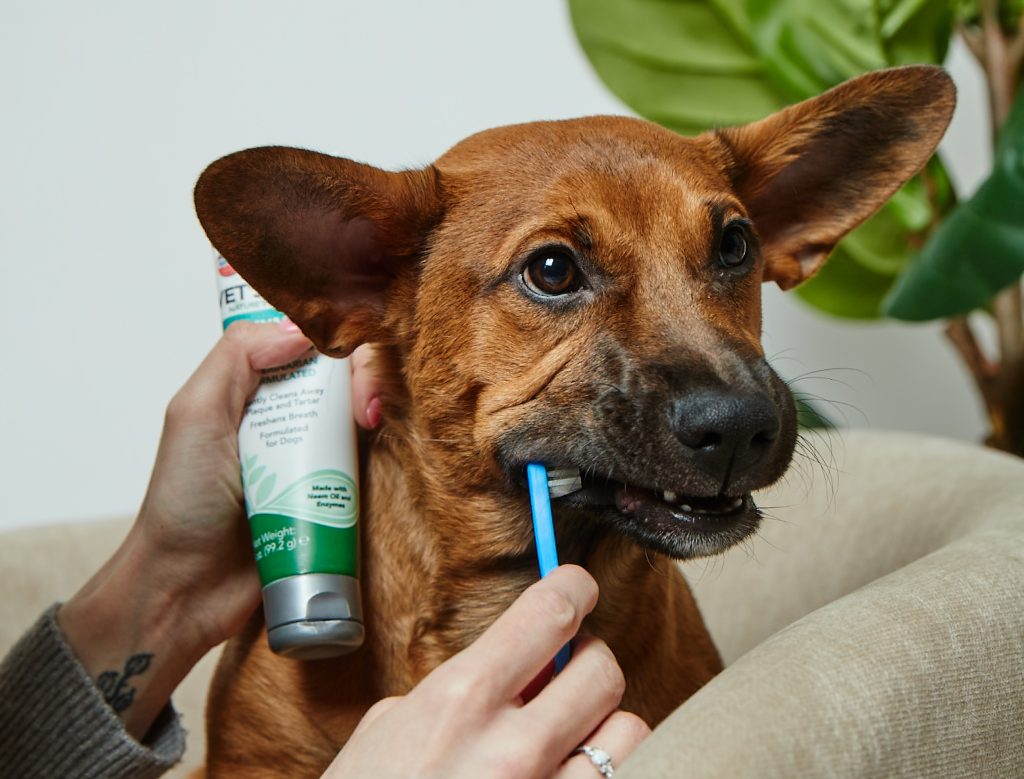
Establishing a routine that emphasizes dental care from an early age is also a critical component of a pet’s overall dental strategy. Regular brushing, ideally every day, should be part of your pet care regimen. Use a dog or cat-specific toothbrush and toothpaste, as human products can be harmful to pets. Gradually introduce the process by allowing your pet to get accustomed to having their mouth handled, and ensure it’s a positive experience with treats and praise.
In addition to brushing, implementing a mixture of effective dietary strategies, quality pet foods, and regular dental visits helps create a multi-faceted approach to maintaining your pet’s oral health. Recognizing that nutrition plays a vital role in preventing dental problems will empower you as a pet owner to make impactful choices that ensure a happier, healthier life for your furry companions.
DISCOVER MORE: Click here to learn how to shape your puppy’s behavior
Conclusion: A Holistic Approach to Pet Dental Health
In summary, maintaining the oral health of your dogs and cats goes far beyond simply brushing their teeth. It requires a comprehensive strategy that integrates a balanced and nutritious diet, effective dental treats, and regular veterinary checkups. As we’ve explored, nutrition plays a pivotal role in preventing dental problems, dramatically impacting the health of your pet’s teeth and gums.
The choices you make about your pet’s food can significantly shape their oral health. Opting for high-quality ingredients free from sugars and fillers while supplementing with dental chews can help manage plaque and tartar buildup, all while providing your pets with the enjoyment of chewing. Regular dental care at home, coupled with professional dental examinations, completes a triad of protection against the prevalent issue of dental diseases, which affects up to 80% of dogs and 70% of cats by the age of three. This alarming statistic emphasizes the importance of taking preemptive action to ensure a long and healthy life for your furry friends.
As responsible pet owners, it is our duty to foster good dental habits and make informed dietary choices. By recognizing the vital connection between nutrition and oral health, we empower ourselves to promote overall wellness in our pets. Investing time in these practices not only alleviates dental issues but also enhances the quality of life for our beloved companions. A healthy pet is a happy pet; let’s make every meal count in their journey towards optimal health.