The Influence of Natural Diet on Pet Health
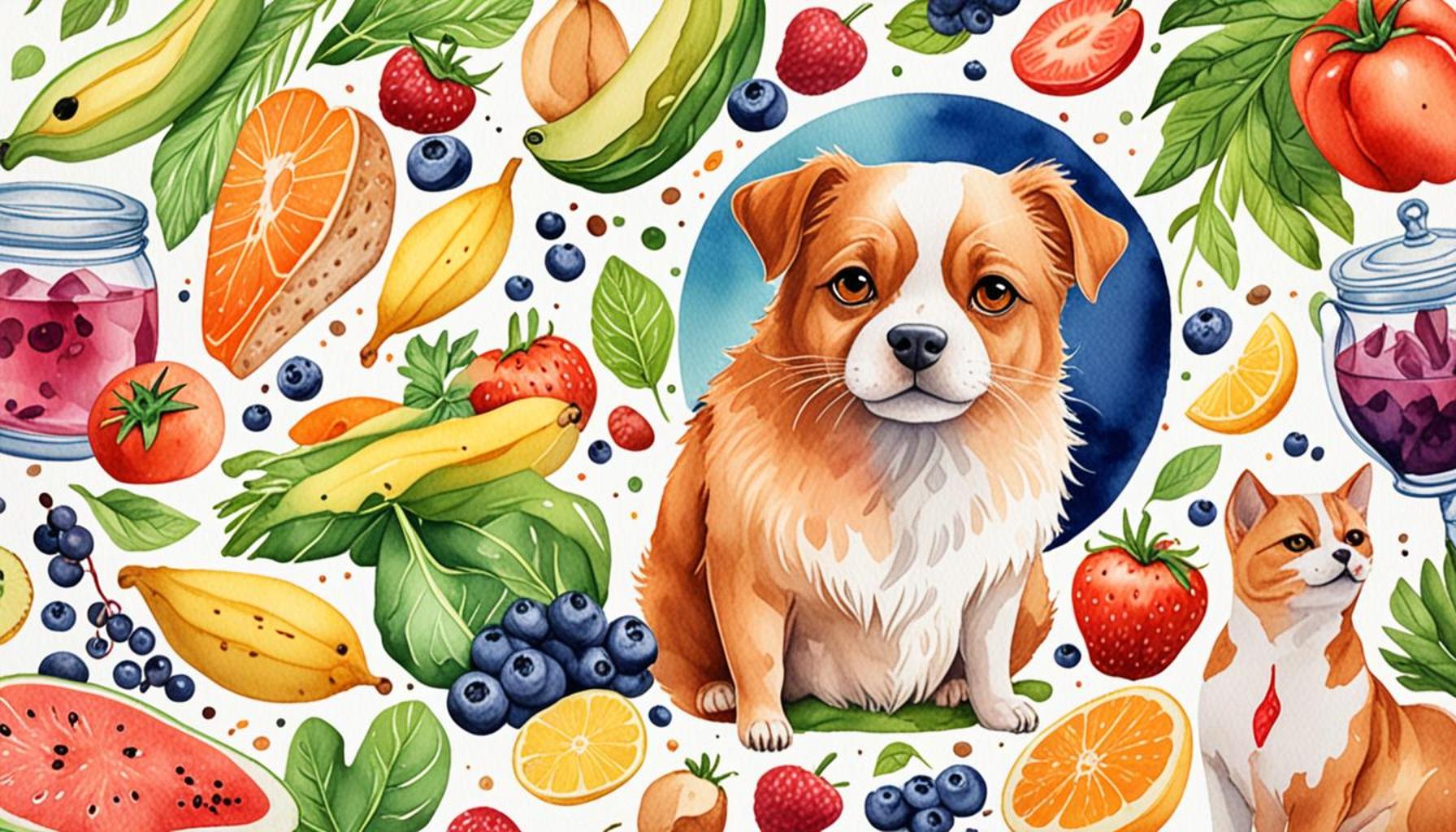
The Impact of Diet on Pet Health
The increasing concern over pet health has ushered in a growing awareness regarding the significance of natural diets. In recent years, pet owners have become more cognizant of how the foods they provide can profoundly affect their companions’ overall health. This recognition is vital, especially as issues like obesity, allergies, and chronic ailments among pets appear to be escalating alarmingly across the United States.
Key Benefits of a Natural Diet
- Improved Digestion: A diet rich in whole foods tends to be more digestible for pets. Ingredients such as fresh vegetables, lean meats, and whole grains can facilitate better nutrient absorption, which directly supports a pet’s energy levels and vitality.
- Healthy Weight Management: Natural diets often contain fewer fillers and artificial additives, which can correlate to healthier weight outcomes. This is especially significant in a nation where approximately 60% of cats and 56% of dogs are considered overweight or obese according to the Association for Pet Obesity Prevention.
- Shinier Coats: The inclusion of ingredients rich in omega fatty acids, such as fish oils and flaxseed, can enhance the appearance and texture of a pet’s coat. A shiny coat is generally an indication of good health, reflecting proper nutrition and care.
While various factors contribute to pet health, diet remains a pivotal aspect. As pet owners contemplate their options, they increasingly explore different types of natural diets. For instance, raw diets consist of uncooked meats, fruits, and vegetables, which many proponents argue mimic a pet’s natural eating habits in the wild. On the other hand, whole food diets focus on minimally processed ingredients. These diets may incorporate items like sweet potatoes and quinoa, known for their nutritional benefits.
Another noteworthy option is grain-free diets, which are crafted for pets that exhibit sensitivities to grains. Research indicates that certain pets may experience improved health and reduced allergy symptoms when grains are eliminated from their meals.
As the dialogue surrounding natural diets progresses, it raises an intriguing question: how do these diets truly influence pet health and behavior? Delving into the scientific research underlying pet nutrition can empower pet owners to make informed decisions that significantly enhance the lives of their furry friends.
DISCOVER MORE: Click here to learn about the joys of adopting a pet
Exploring Different Natural Diets
In the quest for optimal pet health, pet owners are presented with a variety of natural diet options, each offering distinct benefits. Understanding these choices is crucial, as they can lead to significant improvements in a pet’s well-being. Let’s take a closer look at some popular natural diet types and their implications on health.
Raw Diets
Raw diets have gained traction among pet enthusiasts who believe this approach reflects a pet’s ancestral eating habits. These diets typically consist of uncooked meat, organ meats, bones, fruits, and vegetables. Proponents argue that raw diets can lead to improved energy levels, healthier skin, and a more vibrant coat. However, it’s essential to consider that a raw diet also necessitates a sound understanding of nutritional balance to prevent deficiencies.
Whole Food Diets
Another alternative, whole food diets, incorporate minimally processed ingredients to provide pets with essential nutrients. This option often includes fruits and vegetables, such as sweet potatoes, carrots, and leafy greens, in addition to lean proteins like chicken and turkey. Consuming whole foods can enhance fiber intake, contributing to better digestion and gut health. Importantly, these diets are typically easier for owners to customize, allowing them to address specific health needs, such as allergies or weight management.
Grain-Free Diets
For pets with sensitivities, grain-free diets have become a popular choice. Many dogs and cats may experience discomfort or allergic reactions to common grains, such as wheat and corn. A grain-free diet often substitutes these with alternatives like potatoes, peas, and lentils, which can support better digestive health and lower allergy symptoms. Research from veterinary nutritionists suggests that switching to grain-free options may aid pets in feeling more comfortable post-meal, ultimately improving their overall behavior and energy levels.
Raw vs. Cooked: The Debate
The discussion surrounding raw versus cooked diets is a particular point of contention among pet advocates and veterinarians alike. While some argue that raw food retains more nutrients and enzymes beneficial to pet health, others raise alarms about the potential for harmful bacteria like Salmonella and E. Coli. Their concerns highlight the necessity for stringent hygiene practices when preparing raw meals at home. Regardless of the dietary path chosen, the importance of consulting with a veterinarian cannot be overstated to ensure a nutritious, balanced diet tailored to each pet’s needs.
As pet owners navigate through these dietary options, they must keep in mind that each pet is unique, and what works for one may not suit another. Understanding the intricacies of each natural diet influences not just health outcomes but also the quality of life enjoyed by pets. This exploration leads pet owners to engage more deeply with their animals’ nutrition and well-being—a critical factor in their lifelong happiness.
| Health Benefits | Nutritional Aspects |
|---|---|
| Improved Digestive Health | A natural diet rich in fiber facilitates better digestion and nutrient absorption. |
| Boosted Immune System | Natural foods are high in vitamins and minerals which strengthen the immune response. |
| Healthy Coat and Skin | Omega fatty acids from natural food contribute to a shiny coat and healthy skin. |
| Weight Management | Natural diets help regulate weight through balanced calories and nutrients. |
In exploring the significance of a natural diet on pet health, it is essential to understand the profound impact that the quality of nutrients has on our furry companions. A well-balanced, natural diet does not only provide essential nutrients but sets the foundation for long-term health improvements. For instance, improved digestive health can result from increased fiber content, making it easier for pets to process food and absorb nutrients effectively. Moreover, a boosted immune system is critical for fighting off illnesses, and a natural diet loaded with vitamins, such as Vitamin C and E, can greatly enhance a pet’s overall resilience. It’s fascinating to note how a natural dietary approach can lead to a healthy coat and skin, often associated with shiny fur that indicates overall wellness. Weight management also stands out as a considerable advantage, as many pets struggle with obesity due to processed foods. Natural diets help regulate caloric intake while ensuring pets receive the right balance of nutrients. This exciting information sheds light on the necessity of re-evaluating your pet’s diet—opening the door to potential health benefits that can enhance their quality of life significantly.
LEARN MORE: Click here to discover essential tips
The Role of Nutritional Supplements
In addition to the natural diets discussed, nutritional supplements play a vital role in enhancing the health benefits derived from these diets. Many pet owners are now incorporating supplements such as omega-3 fatty acids, probiotics, and vitamins into their pets’ meals to further boost immunity and overall well-being. For instance, omega-3 fatty acids derived from fish oils can support skin and coat health, potentially alleviating conditions like dry skin or allergies. Furthermore, probiotics can enhance digestive health, contributing to a balanced gut microbiome that is essential for nutrient absorption.
Such supplements can be particularly beneficial when transitioning pets to a new diet. The introduction of whole foods or raw ingredients might lead to digestive disturbances in some pets. In these cases, probiotics can help normalize digestion, reducing the risk of gastrointestinal issues during dietary shifts. However, pet owners should be cautious and consult veterinarians to determine the appropriate supplements and dosages tailored to their pets’ specific needs.
The Significance of Hydration
When discussing natural diets, it’s also crucial to address hydration, which plays an integral role in overall pet health. Many pet owners might overlook this aspect, especially when transitioning pets to dry food or kibble-based diets. Hydration can significantly impact a pet’s kidney function, energy levels, and even skin health. Pets on a raw diet may have higher moisture content in their food, leading to better hydration. In contrast, those consuming dry kibble may require additional water intake to avoid health issues related to dehydration.
To encourage proper hydration, pet owners should ensure fresh water is readily available and consider incorporating wet food into their pets’ diet. Additionally, pet fountains that keep water fresh and moving can be particularly appealing to both dogs and cats, promoting increased water intake. This simple yet effective measure can lead to visible benefits in a pet’s health, including improved coat quality and enhanced vitality.
Cognitive Health in Aging Pets
As pets age, their cognitive health becomes increasingly important, and a natural diet can play a crucial role in maintaining mental sharpness. Ingredients such as antioxidant-rich fruits (like blueberries) and anti-inflammatory foods (like turmeric) have been linked to improved cognitive function and reduced risks of age-related mental decline. Research indicates that certain nutrients may help combat oxidative stress, which is a common issue in older pets.
Food formulations that include Vitamins E and C as well as the B-vitamin complex are often recommended to support neurological function. Additionally, incorporating omega-3 fatty acids—known for their anti-inflammatory properties—can play a preventative role against cognitive dysfunction syndrome (CDS) in aging pets, potentially delaying the onset of age-related behavioral changes.
Going Beyond the Bowl
Lastly, it’s important to highlight that a natural diet is just one aspect of a holistic approach to pet health. Regular physical activity, mental stimulation, and social interactions are equally essential to ensure pets remain happy and healthy. Owners should prioritize enriching their pets’ lives through walks, playtime, and interactive games, greatly influencing their overall well-being. Establishing a comprehensive regimen that includes proper nutrition and lifestyle choices can lead to a life full of vitality, ultimately enhancing the bond between pets and their owners.
DIVE DEEPER: Click here to discover your perfect furry friend
Conclusion
In summary, the influence of a natural diet on pet health is profound and multifaceted. By integrating whole foods, high-quality proteins, and essential nutrients into their meals, pet owners can significantly enhance their companions’ well-being. The incorporation of nutritional supplements such as omega-3 fatty acids and probiotics further amplifies these benefits, promoting not only physical health but also cognitive vitality, especially in aging pets.
Moreover, the importance of proper hydration cannot be overstated. Access to fresh water and consideration of food moisture levels are crucial for maintaining energy levels and optimal kidney function. As pet preferences continue to evolve, so should our understanding of their dietary needs, ensuring we always prioritize their health.
It’s clear that pet nutrition goes beyond mere sustenance—it is a cornerstone of a holistic approach that fosters a longer, healthier, and happier life for pets. This encompasses the consideration of not only diet but also sufficient exercise and mental stimulation. As we deepen our knowledge about the impact of natural diets on pet health, we must remain vigilant and proactive in adapting these insights into our everyday care practices. By doing so, we empower our pets to thrive and flourish within the loving homes we provide.
As pet owners in the United States, let us take the initiative to explore and implement natural dietary options that cater to our pets’ unique needs—including seeking advice from veterinarians and staying informed on the latest research. The journey toward optimal pet health starts with informed choices at the bowl, leading to a more vibrant life full of joy and companionship.