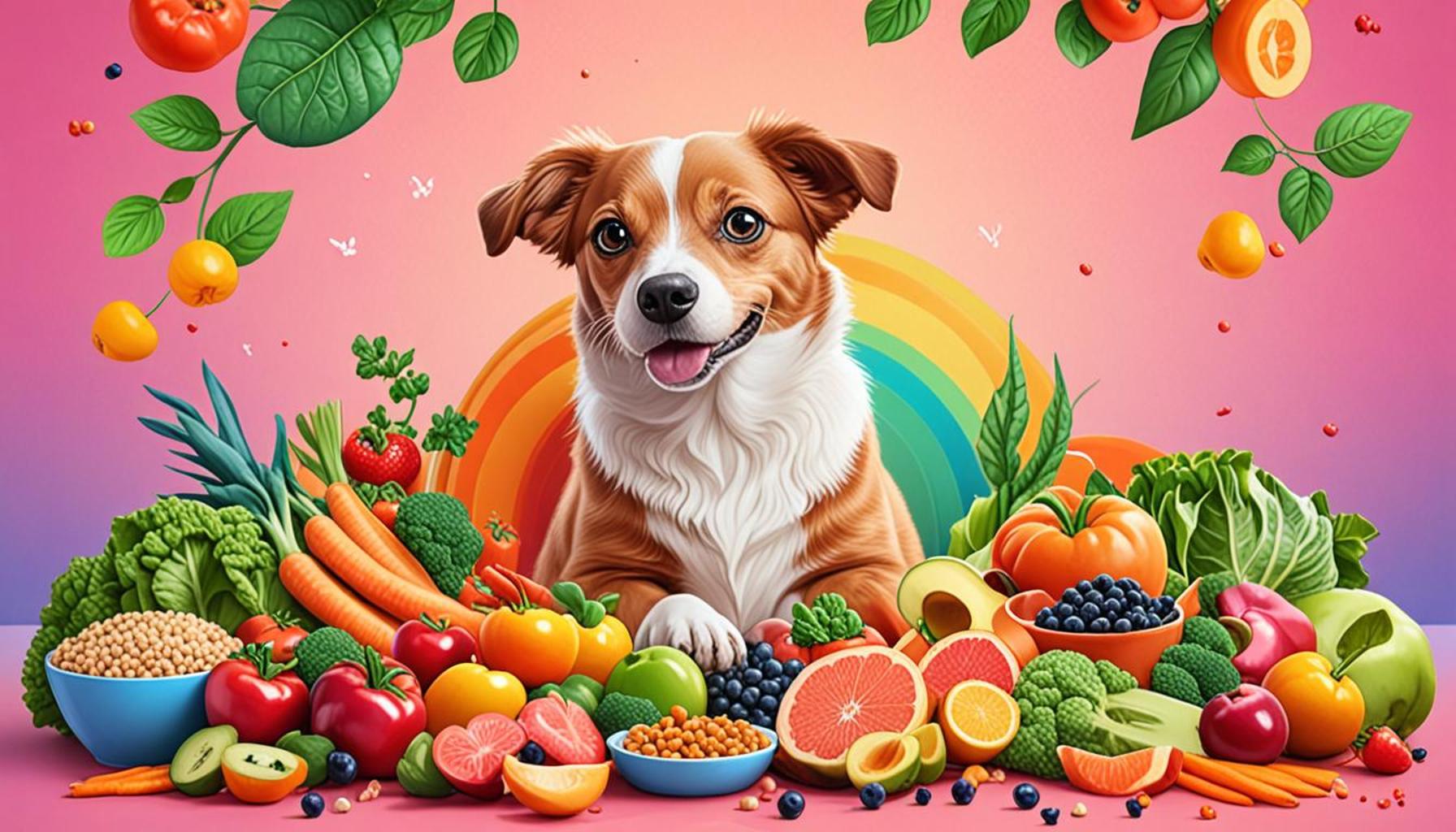
Organic Food for Pets: Benefits and Challenges in Choosing Ingredients
The Growing Interest in Organic Pet Nutrition
The movement towards organic food for pets is on the rise among pet owners who are increasingly prioritizing the health and well-being of their furry companions. In a nation where nearly 70% of households own pets, this trend reflects a significant shift in consumer behavior, as pet proprietors seek out options that align with their values of health and sustainability.
Health Benefits
One of the most compelling reasons for this shift in diet is the health benefits associated with organic ingredients. Organic pet foods are produced without synthetic pesticides, which can remain in traditional agriculture. For instance, many organic options utilize natural pest control and fertilization methods that improve soil health, resulting in food that is free from harmful chemical residues. This can lead to fewer allergies and digestive issues for pets, as organic diets are often easier for them to process.
Quality of Ingredients
The quality of ingredients in organic pet food also plays a significant role in its growing popularity. Many brands offer formulations rich in high-quality proteins and wholesome grains. For example, organic pet foods often contain grass-fed meats or sustainably sourced fish, vitamins, and minerals that meet stringent quality standards. Such nutrition can contribute to healthier, shinier coats, increased energy levels, and overall well-being in pets.
Environmental Impact
Furthermore, the environmental impact of choosing organic is another appealing factor for many pet owners. Organic farming practices typically have a reduced carbon footprint and employ sustainable methods that preserve biodiversity. For pet owners who are also environmentally conscious, selecting organic options can align perfectly with their efforts to support eco-friendly agriculture.
Challenges to Consider
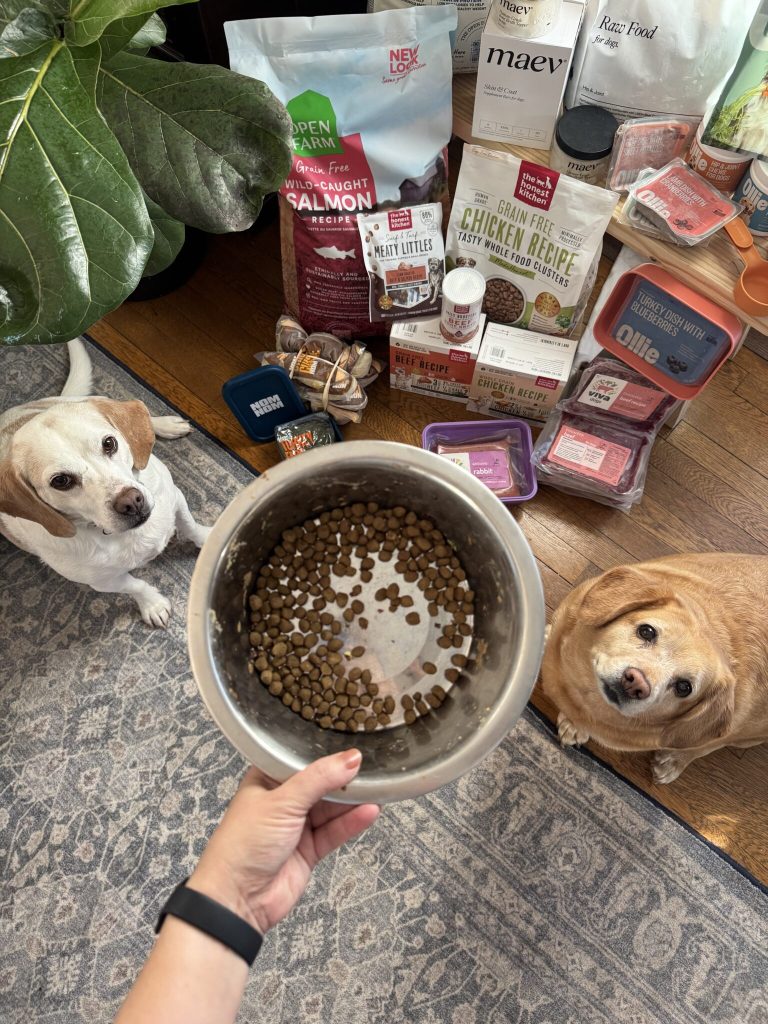
However, navigating the world of organic pet food is not without its challenges. One major hurdle is the higher cost associated with organic products. Organic pet foods can be considerably more expensive than their conventional counterparts, which might deter some pet owners from making the switch. For example, while a typical bag of conventional kibble might retail for $25, organic brands can cost upwards of $50 per bag.
Additionally, understanding labels can prove to be confusing for consumers. Terms such as “natural,” “human-grade,” and “organic” can often be misleading unless they are backed by appropriate certifications. Pet owners must educate themselves to decipher these labels effectively, ensuring they select the best possible food for their pets.
Moreover, it’s critical to consider dietary needs. Just as with humans, not every pet may thrive on an organic diet. A sudden switch in food can lead to gastrointestinal upset. Therefore, it’s advisable for pet owners to transition their pets gradually, mixing new food with the old to allow for an adjustment period.
As the interest in organic pet nutrition continues to flourish, it is paramount for pet owners to weigh the benefits and challenges of this dietary choice carefully. Ensuring that our pets receive nutritious meals while also considering ethical and environmental implications can be both a rewarding and complex journey. By equipping themselves with the right knowledge, pet owners can make informed decisions that promote the health and happiness of their beloved companions.
LEARN MORE: Click here to discover why telemedicine is essential for your pet’s health
Navigating the Landscape of Organic Pet Food
The surge in interest for organic food for pets has led many pet owners to re-evaluate what they feed their beloved animals. This conscious shift is not only about providing a meal; it also encompasses a broader concern for health, nutrition, and sustainability. As the organic pet food market expands, understanding the nuances of these products becomes essential for making informed choices.
Ingredient Sourcing and Types
One of the most critical aspects parents should consider when selecting organic pet foods is the sourcing and type of ingredients. An ideal organic pet food label should include a variety of high-quality ingredients that not only meet but exceed nutritional standards. Here are some key ingredient categories to look out for:
- Protein Sources: Organic meats, such as chicken, beef, and lamb that are free from antibiotics and hormones, should be prioritized. Additionally, sustainable seafood options, like wild-caught salmon, are excellent protein sources.
- Grains and Carbohydrates: Organic whole grains like brown rice, oats, and barley are beneficial, offering a healthy source of energy. For pets with grain sensitivities, organic alternatives such as sweet potatoes or peas are advisable.
- Fruits and Vegetables: Whole organic fruits and vegetables provide essential vitamins and minerals. Ingredients like spinach, blueberries, and carrots contribute to overall health and wellness.
Choosing a brand that lists clearly defined ingredients can enhance the transparency of the food you’re purchasing. Many credible organizations provide certifications that guarantee the authenticity of organic claims, which can guide pet owners in their decision-making process.
Potential Health Risks
While the advantages of organic feeds are numerous, pet owners must also be aware of potential health risks associated with organic diets. Some pets may have specific dietary requirements that are not sufficiently met by standard organic formulations. For instance, puppies and kittens have different caloric and nutritional needs than adult pets. Additionally, if a pet has a known food allergy, switching to an organic brand without careful consideration may lead to unexpected health issues.
The Role of Research
Another vital element in the decision-making process is the need for thorough research. Pet owners should investigate brands and read reviews, seeking out expert opinions and nutritional analyses to ensure they are making the right choices. Comparison of different products, availability of specific vitamins and minerals, and formulation quality can greatly impact the wellness of pets over time.
As pet owners embark on their journey into organic pet nutrition, the landscape can seem overwhelming. By paying attention to ingredient sourcing, health risks, and the importance of research, pet parents can confidently navigate the myriad of options available. Ultimately, the goal remains to create a nourishing and balanced diet that supports the health and vitality of their furry companions while aligning with individual values.
| Category | Key Features |
|---|---|
| Nutritional Value | Organic foods often contain higher levels of essential nutrients, providing better health benefits for pets. |
| Ingredient Transparency | Choosing organic ingredients promotes trust between pet owners and manufacturers, ensuring the quality of the food offered. |
| Sustainability | Organic farming practices contribute to environmental sustainability, reducing the ecological footprint associated with pet food production. |
| Healthier Alternatives | Organic pet food provides a healthier alternative to conventional options, often free from harmful additives and preservatives. |
When evaluating organic food for pets, it’s essential to consider various factors beyond surface benefits. The nutritional profile is often significantly superior, owing to the absence of synthetic chemicals and additives. Ingredients are generally grown in enriched soils, which translates to higher nutrient density, providing pets with the essential vitamins and minerals necessary for optimal health.Additionally, consumers have become increasingly interested in ingredient transparency. Organic certifications serve as a promise to pet owners that the product contains exactly what is claimed—no hidden fillers or artificial components. This transparency builds trust and accountability within the pet food industry, empowering consumers to make informed choices.Organic practices also promote long-term environmental health. By opting for organic pet food, owners contribute to sustainable agriculture. These practices lessen pollution and reduce the dependency on chemical fertilizers and pesticides, ensuring a healthier planet for future generations of pets—and their humans.With the growing concern regarding pet health, more discerning pet owners are exploring organic options. They recognize the benefits of choosing foods packed with wholesome ingredients, without harmful substances. This not only fosters a healthier pet but also aligns with a conscious lifestyle, reflecting values that prioritize well-being—both personal and environmental.
DISCOVER MORE: Click here to learn about the benefits and challenges of natural pet food
Balancing Benefits with Practical Considerations
While many pet owners are drawn to the positive aspects of organic food for pets, it is essential to weigh these benefits against practical considerations. Understanding both the advantages and challenges is vital for pet parents who strive to offer the best nutrition for their pets.
Cost Implications
One significant factor impacting the choice to transition to organic pet food is the cost. Organic ingredients typically come at a premium due to more sustainable farming practices, strict regulations, and limited production. For families operating on a limited budget, this raises a pertinent question: is the increased expense justified by the supposed health benefits for pets? Many organic pet foods cost significantly more than conventional alternatives, making it necessary for owners to assess whether the potential health benefits can be measured against their financial impact, considering their pet’s specific health conditions and dietary needs.
Regulatory Standards and Certifications
The organic pet food industry also faces scrutiny regarding regulatory standards. In the United States, the United States Department of Agriculture (USDA) regulates organic labeling, but the guidelines can be complex. While many pet foods may boast “natural” or “organic” labels, only those certified by recognized authorities can guarantee compliance with strict organic standards. Understanding the intricacies of these certifications allows pet owners to avoid misleading claims. Research into brands with reputable certifications like the National Organic Program (NOP) can aid in making informed choices.
Variability in Nutritional Content
Organic pet food formulations can vary widely among manufacturers, primarily due to the absence of a standardized formula for organic diets. This variability makes it crucial for pet owners to analyze the nutritional profiles on a case-by-case basis. For instance, a brand labeled as organic may still fall short in delivering adequate amounts of key nutrients such as fatty acids, fiber, and vitamins when compared to traditional pet food options. This aspect is particularly important for pets with specific health requirements as it could have implications for long-term health.
Flavor and Acceptance
Pet owners frequently report that their pets are finicky eaters, which can complicate the transition to organic food. The switch to new organic formulations can sometimes result in pets rejecting their food, due to differences in taste and texture. Adjusting to a new diet may require gradual integration, which can require additional planning and patience. Some brands have successfully incorporated more palatable flavors and textures into their organic offerings, but it’s essential for owners to be attentive to their pets’ preferences and responses to new foods.
Impact on the Environment
One of the driving forces behind the organic movement is its association with sustainable farming practices. While choosing organic for pets does contribute to a growing demand for environmentally friendly agriculture, it is also essential to note that not all organic ingredients are sourced responsibly. Pet owners are encouraged to investigate the sourcing of specific brands, focusing on those that prioritize transparency about the environmental impact of their ingredient supply chains. Understanding this aspect helps owners align their values with their purchasing decisions.
As the market for organic pet food continues to evolve, pet owners are faced with an array of options coupled with considerable challenges and considerations.
DISCOVER MORE: Click here to learn about pet adoption options
Final Thoughts on Organic Pet Food Choices
In the quest for optimal nutrition, the allure of organic food for pets is undeniable, offering a range of benefits from higher quality ingredients to a commitment to sustainable farming practices. However, navigating the landscape of organic pet food requires diligence and a nuanced understanding of its inherent challenges. The factors influencing this decision, including cost implications, regulatory standards, and variabilities in nutritional content, can significantly impact the overall outcomes for pet health.
Additionally, the complexities surrounding flavor acceptance and ingredient sourcing demand that pet owners remain vigilant and proactive. As discerning consumers, identifying brands that prioritize both quality and ethics in their supply chains is crucial. This responsibility not only enhances the well-being of pets but also aligns with growing environmental consciousness. With each choice made, pet owners influence the market and contribute to the ongoing dialogue about sustainable practices in the pet food industry.
Ultimately, making informed decisions about organic pet food is not a one-size-fits-all approach; it requires balancing individual pet needs with personal values and budget constraints. As pet owners delve deeper into this topic, they empower themselves to ask the right questions and select the best possible options for their furry companions. By doing so, they not only invest in their pets’ health but also support a shift towards more responsible food systems for all. The journey into organic pet food is one of exploration, and the results can be both rewarding and enlightening.