Unveiling the Myths about Pet Nutrition: Facts and Fictions
Introduction
When it comes to pet care, nutrition stands out as a critical topic. However, amidst the many claims circulating online and within communities, distinguishing between fact and fiction can be challenging. This article seeks to unravel common misconceptions and reveal the truths behind pet nutrition.
Many pet owners may not know that widely held beliefs can often be misleading. Consider these popular myths:
- Grains are bad for all pets.
- All human food is harmful to pets.
- Raw diets are the only way to provide nutrition.
Each of these statements raises questions about what truly benefits our furry friends. The heart of the matter lies in understanding your pet’s unique nutritional needs.
Future investigations into pet nutrition reveal that it is a multifaceted field, influenced by factors such as age, breed, and health conditions. For instance, while some dogs may thrive on a grain-free diet, others actually benefit from the fiber and nutrients that grains provide. The misconception that all grains are harmful has led many owners to eliminate them from their pets’ diets unnecessarily, potentially missing out on essential benefits.

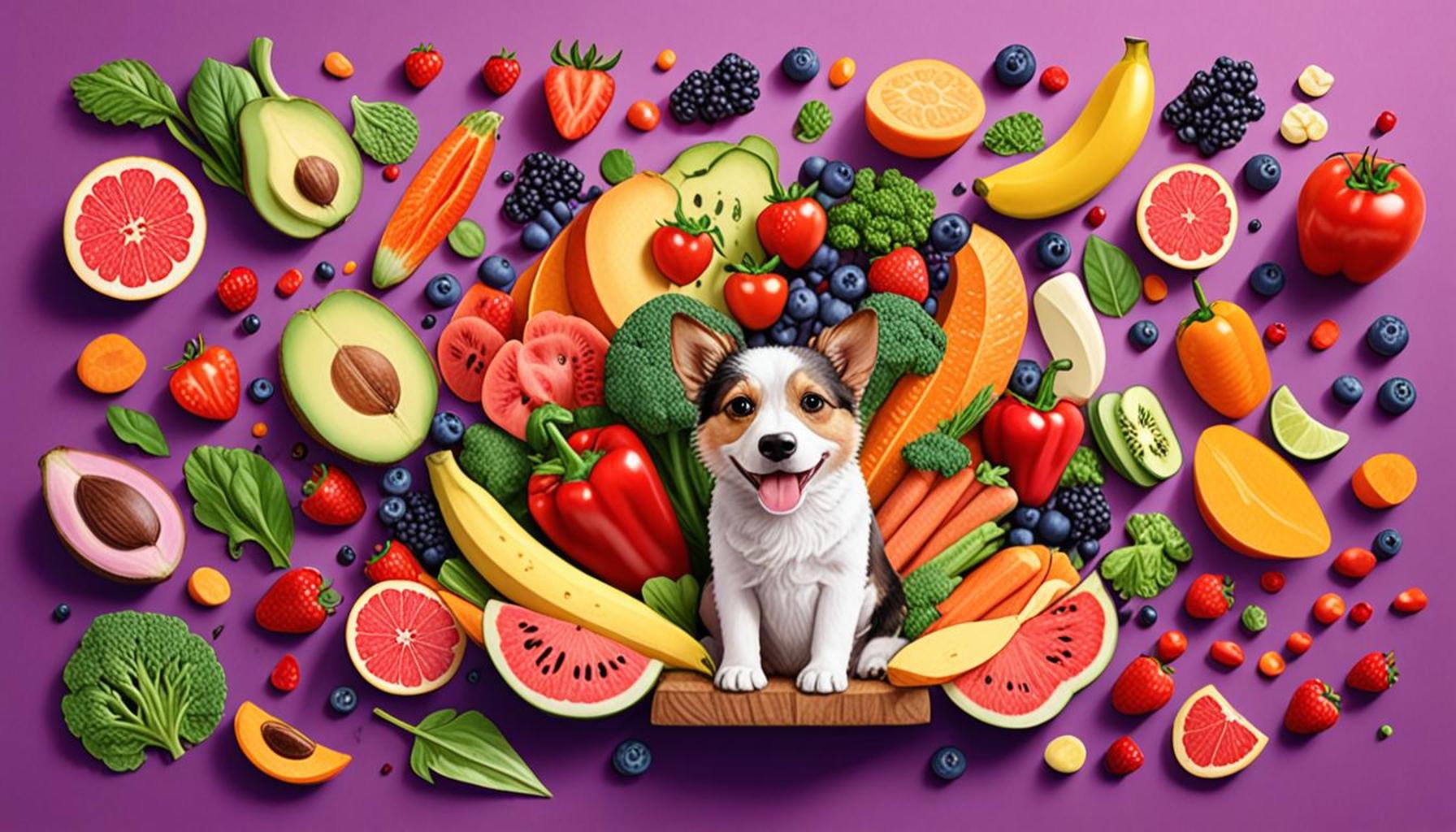
Similarly, the belief that all human food is harmful to pets needs careful scrutiny. While certain foods like chocolate, grapes, and onions are indeed toxic, many human foods can be safe and healthy additions to a pet’s diet. Foods like plain, cooked chicken or vegetables like carrots can serve as great treats in moderation.
Research has shown that proper nutrition is especially vital for maintaining a healthy weight in pets. Obesity in pets is a growing concern in the United States, with approximately 60% of cats and 56% of dogs classified as overweight or obese by the Association for Pet Obesity Prevention. This condition can lead to serious health issues, including diabetes, arthritis, and cardiovascular diseases. A tailored nutritional plan, which takes into account the individual needs of pets, can help combat these problems and promote longevity.
Why does this matter?
Improper nutrition can lead to serious health issues, including obesity and chronic diseases. It is essential to separate facts from fictions for the well-being of our pets. By uncovering the truth behind these myths, we empower ourselves to provide better care.
With an abundance of pet food options available, including dry kibble, wet food, and raw diets, owners should be well-informed decision-makers. Consulting veterinarians or pet nutritionists can assist in crafting an optimal diet that meets specific needs based on factors such as breed, activity level, and age.
Join us as we dig deeper into the science and reality of pet nutrition, ensuring that our beloved pets lead happy, healthy lives. By demystifying common myths, we can pave the way for smarter choices in pet nutrition, ultimately enhancing the well-being and happiness of our furry family members.
DISCOVER MORE: Click here to learn about effective techniques
Debunking the Grain Myth
One of the prevalent myths in pet nutrition is the blanket statement that grains are bad for all pets. This notion has swept through pet owner circles, leading many to opt for grain-free products without fully understanding their pet’s nutritional requirements. In truth, grains can be a valuable source of energy and essential nutrients for many pets.
Research indicates that wholesome grains, such as brown rice and oats, can provide vital fiber, aiding in digestion and promoting a healthy gut. Additionally, grains contain key vitamins and minerals, including B vitamins, magnesium, and iron. For example, oats can help regulate cholesterol levels and support heart health. Therefore, it is crucial for pet owners to evaluate their furry companions on an individual level rather than adopting a one-size-fits-all approach to nutrition.
Identifying Nutritional Needs
Understanding your pet’s unique nutritional needs involves considering several key factors:
- Age: Puppies and kittens require different nutrients compared to adult or senior pets.
- Breed: Some breeds have specific dietary needs based on their genetic predispositions.
- Health Conditions: Pets with certain medical conditions may require specialized diets to manage their health.
Veterinarians often recommend feeding adult dogs a balanced diet that includes grains unless they have specific allergies or intolerances. For example, a vet might suggest utilizing a food that contains grains to support the overall health of a Labrador Retriever, who is known for its robust digestive system and energy needs.
The Reality of Human Food
Another common misconception is the belief that all human food is harmful to pets. While it is undeniable that some human foods, such as chocolate and avocados, pose serious risks to pets, others can be perfectly safe and even beneficial in moderation.
In fact, cooked chicken, plain yogurt, and various fruits and vegetables can serve as healthy treats for pets. For instance, carrots are not only low in calories but high in beta-carotene, supporting eye health. Likewise, blueberries are packed with antioxidants that can help keep pets vibrant and energetic.
It is essential, however, to be vigilant when introducing any new food to a pet’s diet. Monitoring for any signs of adverse reactions is critical. This common sense approach reduces the risk of dietary issues while allowing for greater flexibility in meal planning. Pet owners should consult their veterinarians for recommendations on safe human foods that can supplement or enhance their pets’ standard meals.
By understanding the nuances of pet nutrition, such as the place of grains in diets and safe human foods, pet owners can make informed decisions that better support their pets’ health and well-being.
Understanding the Basics of Pet Nutrition
When addressing the myths surrounding pet nutrition, it’s essential to first understand the fundamental needs of your furry friends. Just like humans, dogs and cats require a balanced diet rich in proteins, fats, carbohydrates, vitamins, and minerals. Various factors, including their age, breed, size, and activity level, play a significant role in determining their specific needs. Many pet owners believe that feeding their pets homemade food is always the best choice. However, it’s crucial to recognize that not all homemade diets are nutritionally complete. Commercial pet foods undergo extensive testing to ensure they provide the necessary nutrients for pets’ health. Moreover, certain ingredients that may be good for humans can be harmful to animals. For example, ingredients like chocolate, onions, and grapes can be toxic to pets, leading to serious health issues. While cooking for your pets can be rewarding, it’s best approached with caution and significant research.Another prevalent myth is that grain-free diets are the healthiest option for all pets. While certain pets may indeed benefit from a grain-free diet due to allergies or intolerances, many pets thrive on grains. It’s often the protein source or overall diet quality that matters more than the presence of grains. Recent studies have suggested a correlation between grain-free diets and increased instances of heart disease in pets, making it even more critical to consult with a veterinarian before making drastic dietary changes.Furthermore, it’s often assumed that the more expensive the pet food, the better the quality. This misconception can mislead pet owners, as price does not always correlate with nutritional value. The pet food industry is vast, and there are plenty of budget-friendly options that offer excellent nutrition without the hefty price tag. Reviewing the ingredient list can provide a clearer picture of the food’s quality than the brand or its price point.
Breaking Down Common Myths
A significant number of owners hold onto the belief that pets are predominantly carnivorous. While it is true that cats are obligate carnivores (needing animal-based proteins to thrive), dogs are more omnivorous. This distinction allows canine companions to benefit from a variety of food sources, including vegetables, grains, and meats. Understanding these dietary needs can assist in crafting a well-rounded meal plan.Lastly, the idea that pets can self-regulate their food intake is misleading. While some pets may seem to know when they’re full, others may overeat or be picky about their food. Portion control and regular feeding schedules are vital to prevent obesity and keep pets healthy throughout their lives.Each pet is unique, and determining the best nutritional approach involves considerable research and understanding. Consult your veterinarian for tailored guidance on feeding your beloved animals, while continuing to explore credible resources on pet nutrition to dispel common myths and enrich your pet’s diet.
| Category | Benefits |
|---|---|
| Quality Ingredients | Promote better health and longevity for pets. |
| Balanced Diets | Support overall well-being and prevent diseases. |
| Educated Choices | Help dispel myths and misconceptions about pet nutrition. |
DISCOVER: Click here to uncover the joys of adopting a pet
The Protein Fallacy
Another widespread myth among pet owners is the belief that more protein always equals better nutrition. This has spurred many to believe that high-protein diets are the best choice for all pets, particularly dogs and cats. However, the reality is far more complex and nuanced than this straightforward assumption.
While protein is indeed a critical component of a pet’s diet—supporting muscle development and overall growth—the quality and type of protein matter significantly more than sheer quantity. For example, not all protein sources are created equal. Animal-based proteins, such as chicken, beef, and fish, provide essential amino acids that pets need for optimal health. Conversely, some plant-based proteins may lack certain amino acids, necessitating careful dietary considerations.
It is vital for pet owners to understand that an excess of protein can lead to health issues, particularly in certain breeds predisposed to kidney problems or those with existing health conditions. According to veterinary nutritionists, a balanced diet that maintains the appropriate ratio of protein—with carbohydrates and fats—will ultimately lead to healthier pets. Therefore, conducting a thorough assessment of your pet’s individual lifestyle, age, weight, and health status is crucial before drastically altering their diet.
Much-Ado About Supplements
The booming supplement industry has spurred yet another nutrition myth: all pets need supplements for optimal health. While it’s true that some pets may benefit from specific supplements, particularly those with dietary deficiencies or health issues, the blanket application of supplements can sometimes do more harm than good. Over-supplementation can lead to toxicity and further health complications.
Pet foods that are nutritionally complete contain all the vitamins and minerals that pets need. For example, reputable brands undergo rigorous testing to ensure their products meet the nutritional standards established by the Association of American Feed Control Officials (AAFCO). As such, adding supplements to a well-balanced diet could potentially create an imbalance.
For instance, omega-3 fatty acids are well-known for their anti-inflammatory properties, often recommended for pets suffering from arthritis. Still, excessive supplementation can have a counterproductive effect. Pet owners should always consult their veterinarians before introducing any supplements into their pet’s regimen. This not only ensures the efficacy of such additions but also guarantees safety tailored to the unique needs of their pets.
Safe Serving Sizes Matter
Another myth circles around the notion of portion sizes and feeding frequency. Many pet owners believe that free-feeding—the practice of leaving food out for pets to graze on throughout the day—is the best approach for maintaining an optimal diet. However, this can often lead to overeating and poor weight management.
Veterinarians recommend establishing designated feeding times and portion sizes based on individual pet calculations. For example, a medium-sized dog may require between 1.5 to 3 cups of dry food each day, depending on their activity level, age, and overall health. Measuring food can help keep pets at a healthy weight, prevent obesity-related health problems, and help owners develop a secure routine surrounding meal times.
Additionally, recognizing the caloric needs of pets can make a notable difference. Treats should comprise no more than 10% of a pet’s daily calorie intake, with the remainder coming from their primary food source. By being vigilant with serving sizes and establishing a consistent feeding schedule, pet owners can take a significant step toward enhancing their pets’ overall health and happiness.
DIVE DEEPER: Click here to learn more
Conclusion: Navigating the Maze of Pet Nutrition
As pet owners, ensuring our furry friends receive the best nutrition is essential, yet navigating the landscape of pet food can be riddled with misconceptions. From the importance of protein quality over quantity to understanding the implications of supplements and portion control, it’s clear that there’s much to demystify within the realm of pet nutrition.
Today’s pet owners must approach dietary decisions with a critical eye, recognizing that every pet has unique needs shaped by factors like breed, age, and health status. Not every pet thrives on high-protein diets, nor do all require additional supplements for optimal health. Instead, a balanced, nutritionally complete diet—often compliant with established guidelines like those from the AAFCO—can provide pets with everything they need.
Moreover, establishing safe serving sizes can promote good weight management and prevent obesity-related issues. By fostering a structured feeding routine, pet owners can enhance their pets’ quality of life and overall wellbeing.
Ultimately, understanding the truth behind pet nutrition myths is not merely an academic exercise but a necessary endeavor for responsible petownership. By staying informed and consulting with veterinarians when in doubt, pet owners can make educated choices that contribute to their pets’ long-term health and happiness. The journey of unraveling nutrition facts may be complex, but the benefits for both pets and their owners are immeasurable.