
Nutritional Supplements: When and How to Use Them in Pet Feeding
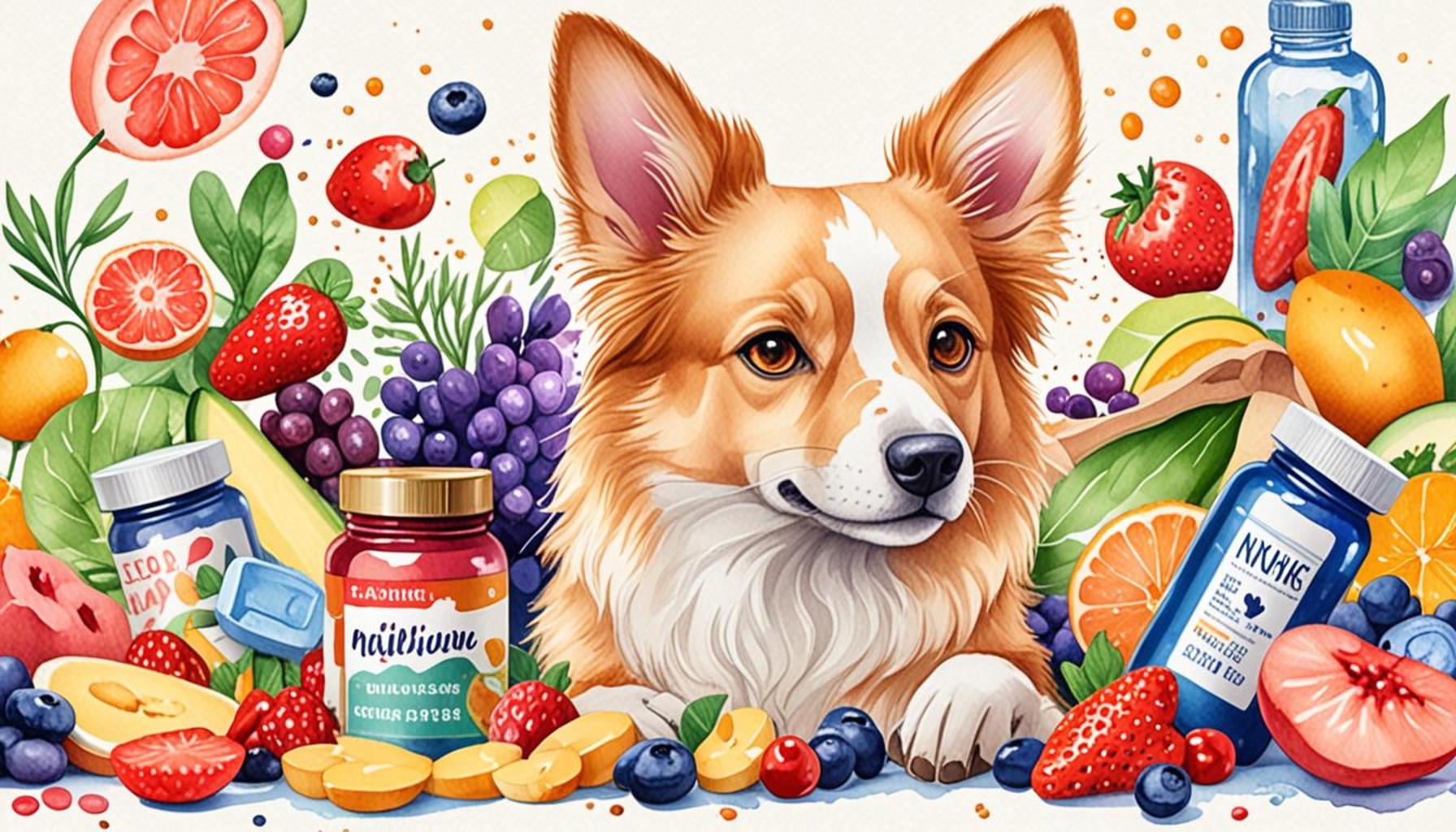
Nutritional Supplements: A Vital Addition to Your Pet’s Diet
As pet owners become increasingly aware of their pets’ dietary needs, the question of whether to incorporate nutritional supplements into their diets has gained prominence. Many believe that just as humans benefit from additional nutrients, so too can our furry companions. But how can we ensure we are making informed decisions regarding this aspect of pet care?
Understanding the specific needs of your pet is crucial. For instance, age and lifestyle play a significant role in determining what supplements may be beneficial. Puppies and kittens, with their rapid growth and development, often benefit from supplements rich in omega-3 fatty acids for brain and eye development, and calcium to support bone growth. Conversely, senior pets may require joint supplements, such as glucosamine or chondroitin, to alleviate wear and tear on their joints, improving mobility and quality of life.
Another consideration is addressing dietary gaps. While many commercial pet foods are formulated to meet basic nutritional requirements, not all are created equal. Some might lack essential vitamins or minerals, especially if the food is low-quality or improperly stored. For example, pets on homemade diets may fall short in certain nutrients like taurine, which is vital for heart health, particularly in cats. In such cases, incorporating supplements can ensure your pet receives a more balanced diet.
The health benefits of nutritional supplements are varied and can be remarkable. Probiotics, for instance, can support digestive health and help manage gut issues, which are common in both cats and dogs. Additionally, supplements containing fish oil can enhance a pet’s skin and coat condition, alleviating issues like dryness or allergy-related itching. Furthermore, certain herbal supplements are reputed to bolster the immune system, enhancing resilience during cold seasons.

However, it’s important to approach the topic with caution. Over-supplementation may result in toxicity, leading to adverse health effects. For example, too much vitamin A can cause serious health issues in pets. This underscores the need for a tailored approach. Always consult your veterinarian before starting any supplement regimen; they can help you devise a plan that is catered to your pet’s individual needs.
In conclusion, the landscape of pet nutrition is vast and complex. By exploring nutritional supplements, pet owners can make informed choices that enhance their pets’ health and well-being. With proper guidance and a well-researched plan, you can navigate the world of supplements and ensure your pet thrives far beyond basic kibble and canned food.
DISCOVER MORE: Click here to learn effective training techniques
Understanding Your Pet’s Unique Nutritional Requirements
When it comes to nutritional supplements, one size does not fit all. Every pet is an individual with unique dietary needs influenced significantly by factors such as breed, age, activity level, and even health conditions. Thus, understanding these variables is essential before delving into the world of supplements. Think of it as crafting a personalized nutrition plan that far exceeds the basic requirements met by commercial pet foods.
Age is perhaps the most influential factor in determining a pet’s nutritional needs. Young pets, such as puppies and kittens, have distinct requirements as they undergo rapid growth and development. Supplements like calcium and phosphorus are vital during these stages for building strong bones and teeth. Moreover, adding omega-3 fatty acids can support cognitive development, which is particularly beneficial for breeds predisposed to neurological issues. In contrast, senior pets often face different challenges. Their joints may suffer wear and tear over the years, making glucosamine and chondroitin helpful for maintaining mobility and comfort.
In addition to age, your pet’s lifestyle significantly determines their dietary needs. Active breeds, such as border collies or Labrador retrievers, might require higher protein and energy levels, potentially necessitating an additional boost from protein-based supplements. Conversely, more sedentary pets might need fewer calories overall, meaning less need for energy-dense supplements. Additionally, pets that undergo surgical procedures or are recovering from illness might benefit from supplements that support healing and immune function, such as vitamins C and E or specific amino acids.
Identifying Dietary Gaps
It is essential to assess your pet’s regular diet to pinpoint any nutritional deficiencies that might exist. Even high-quality commercially available pet foods can sometimes lack crucial vitamins and minerals due to variances in formulation or manufacturing processes. This is particularly true for diets that consist of homemade meals, where the balance of nutrients can easily fall short. Here are some common nutrients often overlooked:
- Taurine — Critical for heart health, particularly in cats.
- Iodine — Essential for thyroid function, which can become detrimental if missing from the diet.
- Vitamin E — Plays a crucial role in immune function and skin health.
- Calcium and Phosphorus — Needed in the correct ratios, particularly in growing puppies and kittens.
Once you identify these potential gaps, incorporating the right nutritional supplements can help bridge the divide, ensuring your pet receives well-rounded nutrition that supports their overall health and well-being.
| Advantage | Description |
|---|---|
| Improved Nutritional Balance | Nutritional supplements can help to address deficiencies in a pet’s diet, ensuring that pets receive essential vitamins and minerals for optimal health. |
| Enhanced Immune Function | Certain supplements such as omega-3 fatty acids and probiotics can support the immune system, reducing the incidence of illness and improving overall vitality. |
| Joint Health Support | Supplements containing glucosamine and chondroitin help promote joint health, especially in aging pets, improving mobility and reducing pain. |
Nutritional supplements play a crucial role in pet feeding, but knowing when to introduce them can be as essential as the supplements themselves. As pets age or if they have specific health issues, dietary adjustments become essential. Supplements should be chosen based on the individual needs of the pet, such as their age, breed, and health status. Understanding when to introduce these supplements into a pet’s regimen can lead to a healthier life for furry companions.Among the key aspects to consider is the importance of consulting a veterinarian to determine which supplements would best suit your pet’s unique dietary requirements. Regular health assessments can also help in tracking the pet’s response to these additional nutrients, ensuring adjustments can be made as necessary. By properly utilizing nutritional supplements, pet owners can significantly enhance their pets’ quality of life, addressing not only immediate health concerns but also promoting long-term wellness.
DISCOVER MORE: Click here to learn about the importance of socialization for pets
Choosing the Right Nutritional Supplements
With a plethora of nutritional supplements available on the market, selecting the right ones for your pet can feel overwhelming. To ensure you make informed choices, it is essential to understand the types of supplements available and their specific benefits. Broadly speaking, supplements can be categorized into vitamins, minerals, amino acids, fatty acids, and herbs, each serving distinct functions in your pet’s health.
Vitamins are organic compounds critical for various bodily processes. Vitamin A, for example, is vital for vision and immune health, while Vitamin D supports calcium absorption, crucial for bone health. Both vitamins can be difficult to ensure in sufficient amounts through diet alone, especially in homemade meals. In contrast, minerals like magnesium and zinc serve essential roles in enzymatic processes and metabolism. Deficiencies in these areas can lead to health complications, warranting the need for supplementing these nutrients.
The Importance of Quality
When choosing nutritional supplements, the quality and origin of the products matter significantly. Seek out supplements from reputable manufacturers that prioritize safety and efficacy in their formulations. Look for certifications or labels backed by veterinary professionals. The ingredients should be sourced accordingly, with a focus on bioavailability—how easily your pet’s body can absorb and utilize these nutrients. Avoid products with artificial fillers, preservatives, or low-quality ingredients, as they may do more harm than good.
Additionally, utilizing supplements aimed at specific health goals can enhance your pet’s wellness journey. For instance, if your furry friend is prone to joint issues, consider glucosamine and chondroitin, which support cartilage and overall joint health. For pets with a compromised immune system, products rich in antioxidants, such as beta-carotene and selenium, can provide necessary support.
Consulting Your Veterinarian
Before embarking on the supplementation journey, it’s imperative to consult with your veterinarian. They can help assess your pet’s specific dietary needs and recommend appropriate supplements tailored to their requirements. Furthermore, your veterinarian can monitor your pet’s progress and make adjustments as necessary, ensuring optimal health outcomes. This collaborative approach ensures that the incorporation of nutritional supplements complements a balanced diet rather than replacing essential nutrients.
Another aspect to consider is the method of delivering the supplements. Many pet owners find that incorporating powder forms into meals can be effective, while others may prefer soft chews that resemble treats. Some supplements may even be packaged in liquid form for easy administration. Ultimately, finding a method that works best for your pet encourages compliance and ensures they receive the nutrients they need.
Signs Your Pet May Need Supplements
Recognizing signs that your pet may benefit from nutritional supplements is crucial. Watch for symptoms such as low energy, changes in coat quality, skin issues, or even digestive disturbances. If your pet experiences these concerns, a consultation with your veterinarian might reveal underlying deficiencies or conditions that could benefit from dietary adjustments and supplements.
Incorporating nutritional supplements is an investment in your pet’s long-term health, but it requires a thoughtful approach. By educating yourself on their unique needs, assessing dietary gaps, choosing high-quality products, and working closely with a veterinarian, you can help ensure your furry companion lives a vibrant and healthy life.
LEARN MORE: Click here to discover how to adopt pets in challenging times</
Conclusion
In summary, nutritional supplements can play a pivotal role in enhancing your pet’s health, particularly when dietary gaps are identified. Unlocking the benefits these supplements offer requires a balanced approach: understanding your pet’s unique needs, ensuring the quality of selected products, and collaborating with a veterinarian to tailor a supplementation plan effectively. By incorporating targeted supplements into your pet’s diet, you can address specific health concerns, promote overall well-being, and even delay age-related issues.
As the pet care landscape continues to evolve, pet owners are becoming more educated about nutritional needs and the potential role of supplementation. The importance of selecting high-quality products cannot be overstated; doing so not only protects your pet’s health but also strengthens your relationship with them by ensuring their dietary requirements are met. Remember that while nutritional supplements can enhance a pet’s diet, they should never replace the essential nutrients provided by a well-balanced and appropriate food source.
Observing your pet’s behavior and physical condition should guide your decisions on supplementation. If you notice changes in energy levels, coat quality, or overall vitality, such signs may indicate a need for additional support. In a world filled with options, remember to remain patient and informed as you navigate the vast landscape of pet wellness. The right choices today will lead to a healthier, happier life for your beloved companion tomorrow.