
Positive Reinforcement Techniques to Correct Adult Dog Behavior

Understanding our canine companions can be a rewarding yet challenging experience. With the rise of positive training methods, the focus has shifted towards using positive reinforcement as a way to guide and correct undesirable behaviors in adult dogs. This approach not only strengthens the bond between pet and owner but also promotes a happier, healthier environment for both.
With various techniques available, pet owners may feel overwhelmed when choosing the most effective strategies. However, mastering these methods can lead to remarkable transformations. Here are some key reasons why positive reinforcement techniques are essential:
- Enhances Trust: Builds a strong relationship between owner and dog.
- Boosts Learning: Encourages dogs to repeat desired behaviors more frequently.
- Reduces Stress: Fosters a calmer atmosphere during training sessions.
To help you navigate this rewarding journey, we will explore the Top 5 Positive Reinforcement Techniques that can effectively address undesirable behaviors in adult dogs. Get ready to discover actionable insights that will pave the way for a more harmonious life with your furry friend.
Top 5 Positive Reinforcement Techniques for Correcting Unwanted Behaviors in Adult Dogs
Training adult dogs can sometimes feel like a daunting task, especially if you’re trying to correct behaviors that have become ingrained over time. Fortunately, positive reinforcement techniques provide pet owners with effective and compassionate methods for teaching new behaviors and correcting undesirable ones. Unlike punitive measures, these methods focus on rewarding desirable behaviors, fostering a trusting and respectful relationship between dog and owner. Below, we delve into the top five positive reinforcement techniques that can guide you in your dog training journey, offering insights that may lead to a deeper understanding of canine behavior.
5. Clicker Training
Clicker training has gained popularity as a reliable method to teach and reinforce good behaviors in dogs. A clicker is a small device that emits a distinct clicking sound, which serves as an immediate marker of a desired behavior.
- **Benefits:** The unique sound of the clicker stands out as a sharp, clear signal that varies from verbal cues. This distinguishes correct behavior immediately, providing instant feedback crucial for effective learning.
- **Versatility:** Dogs can be taught a wide array of commands such as sit, stay, and come, and can be encouraged to walk on a leash without pulling.
- **Ease of Use:** By associating the clicker with rewards like treats or praise, owners can efficiently redirect unwanted actions to preferable alternatives.
This technique bolsters a dog’s confidence as they begin to understand expectations and their abilities to meet them. Additionally, it strengthens the bond between dog and owner, given the mutual communication and trust built during the process.
4. Treat-Based Incentives
Using treats as a method of positive reinforcement is perhaps the most straightforward and universally appreciated technique in dog training. The crucial element is identifying what motivates your dog, often through food-based rewards.
- **High-Value Treats:** These should be delectable rewards that your dog particularly loves, encouraging more enthusiastic responses to training sessions.
- **Immediate Rewards:** Timing is critical. Offering treats immediately following the correct behavior ensures the dog makes a clear connection between the action and its reward.
- **Gradually Tapering:** As behaviors become ingrained, slowly reduce the reliance on treats, maintaining the behavior with intermittent rewards or switches to other motivators like praise.
Caution must be exercised to ensure that the intake of caloric treats is balanced against a dog’s overall diet to prevent weight gain and maintain health. Research supports that dogs are more receptive to learning and behavioral changes when high-value treats are involved, especially in cases involving newly adopted dogs or those with deeply rooted negative behaviors.
3. Verbal Praise and Affection
While treats are effective, verbal praise coupled with physical affection can be equally powerful motivators for dogs who thrive on their owner’s approval.
- **Expressive Praise:** An enthusiastic and upbeat tone can significantly enhance a dog’s sense of accomplishment and encourage repetition of good behaviors.
- **Physical Affection:** Petting or stroking reinforces verbal cues, providing both comforting and stimulating feedback to the dog.
- **Establishing Verbal Cues:** Consistent verbal signals attached to specific behaviors can promote understanding and consistency, aiding in unnecessary behaviors’ correction.
This type of reinforcement nurtures the emotional bond between owner and pet, vital for building trust. Dogs are inherently social and desire acknowledgment, making them responsive to such affectionate rewards. In turn, constant praise helps alleviate anxiety and reinforces desirable habits.
2. Setting Up a Consistent Routine
Another cornerstone of effective dog behavior modification is ensuring routine and structure in a dog’s daily life. Predictability imbibes a sense of security and discipline.
- **Predictability:** A routine reduces confusion, letting dogs focus on understanding what is expected without guesswork.
- **Structured Environment:** Training becomes effective in an environment where expectations are clear and consistently upheld.
- **Regular Training Sessions:** Ensuring regular times dedicated to training allows dogs to anticipate and mentally prepare, facilitating quicker learning and adherence to new behaviors.
Implementing a consistent routine can help prevent behaviors arising from boredom or anxiety, vital for long-term behavioral success. Once dogs establish a rhythm to their day, they respond more positively to training, knowing what behavior will be rewarded.
1. Socialization and Playtime
Social interaction and playtime top the list of positive reinforcement strategies. These not only enhance behavioral correction but also contribute significantly to a dog’s mental and emotional well-being.
- **Confidence Building:** Exposure to various environments and social situations fosters confidence, reducing the incidence of fear-based behaviors.
- **Learning Through Observation:** Dogs learn by observing the behavior of other canines, making group play a positive reinforcement opportunity where social cues and norms are naturally understood.
- **Increased Happiness:** Playtime provides the mental and physical stimulation needed to keep a dog satisfied, leading to reduced likelihood of destructive behaviors that stem from boredom or lack of engagement.
Socializing with both humans and other dogs creates a balanced, well-behaved pet, diminishing issues like aggression, anxiety, and hyperactivity. Regular interactions ensure that dogs remain well-adjusted, happy, and ultimately a joy to their families.
Positive reinforcement strategies not only modify behavior but also build a nurturing relationship of mutual respect and understanding between you and your furry friend. Through techniques such as clicker training, treat rewards, verbal praises, routines, and socialization, dog owners can significantly improve their companion’s behaviors, ensuring a happy and harmonious coexistence.
| Category | Description |
|---|---|
| Behavior Modification | Utilizing positive reinforcement techniques encourages dogs to replace undesirable behaviors with acceptable ones through rewards. |
| Trust Building | Using positive techniques fosters a stronger bond between the owner and dog, increasing trust and compliance in future training sessions. |
| Motivation Enhancement | Incentives such as treats or praise effectively motivate dogs, making them more eager to learn and adopt desired behaviors. |
| Reduction of Fear and Anxiety | Positive reinforcement aids in eliminating fear-based responses during training, creating a calmer learning environment for the dog. |
Exploring the advantages of positive reinforcement techniques can reveal how they significantly enhance the training experience for both the dog and the owner. The method of behavior modification encourages dogs to learn to swap negative habits for positive alternatives, facilitating a shift towards more acceptable behaviors. This vital aspect not only enriches the dog’s understanding of what is expected but also engages them in a productive manner.Furthermore, trust building plays a crucial role in training sessions. By consistently employing positive reinforcement, owners cultivate a deeper bond with their dogs. This connection is essential as it encourages dogs to approach tasks with a higher degree of willingness, making future learning endeavors more successful and enjoyable. As measures of mutual respect grow, dogs are more likely to respond positively to commands, knowing that they will benefit from doing so.In addition to trust, motivation enhancement is a powerful element of this training approach. Dogs, much like humans, thrive on incentives. When their efforts are rewarded with treats, playtime, or personal attention, their eagerness to learn and adapt increases. It transforms training sessions into an enjoyable game rather than a stressful chore, resulting in better retention of learned behaviors.Moreover, addressing fear and anxiety in training is an often-overlooked benefit of positive reinforcement. Many dogs arrive with a variety of behavioral issues, often stemming from fearful or traumatic experiences. By implementing positive methods, owners can help their dogs develop confidence and security in training situations. The elimination of fear-based reactions leads to a more relaxed environment, which not only benefits the dog but also enhances the overall training dynamic. Enabling dogs to flourish without the shadow of anxiety is paramount to creating a successful training outcome. Through these categories of fresh insights, the beneficial landscape of positive reinforcement techniques is broadened, revealing a profound impact on canine behavior correction and the enriching of the human-animal bond.
Frequently Asked Questions About Positive Reinforcement Techniques in Adult Dogs
What is positive reinforcement and how does it differ from other training methods?
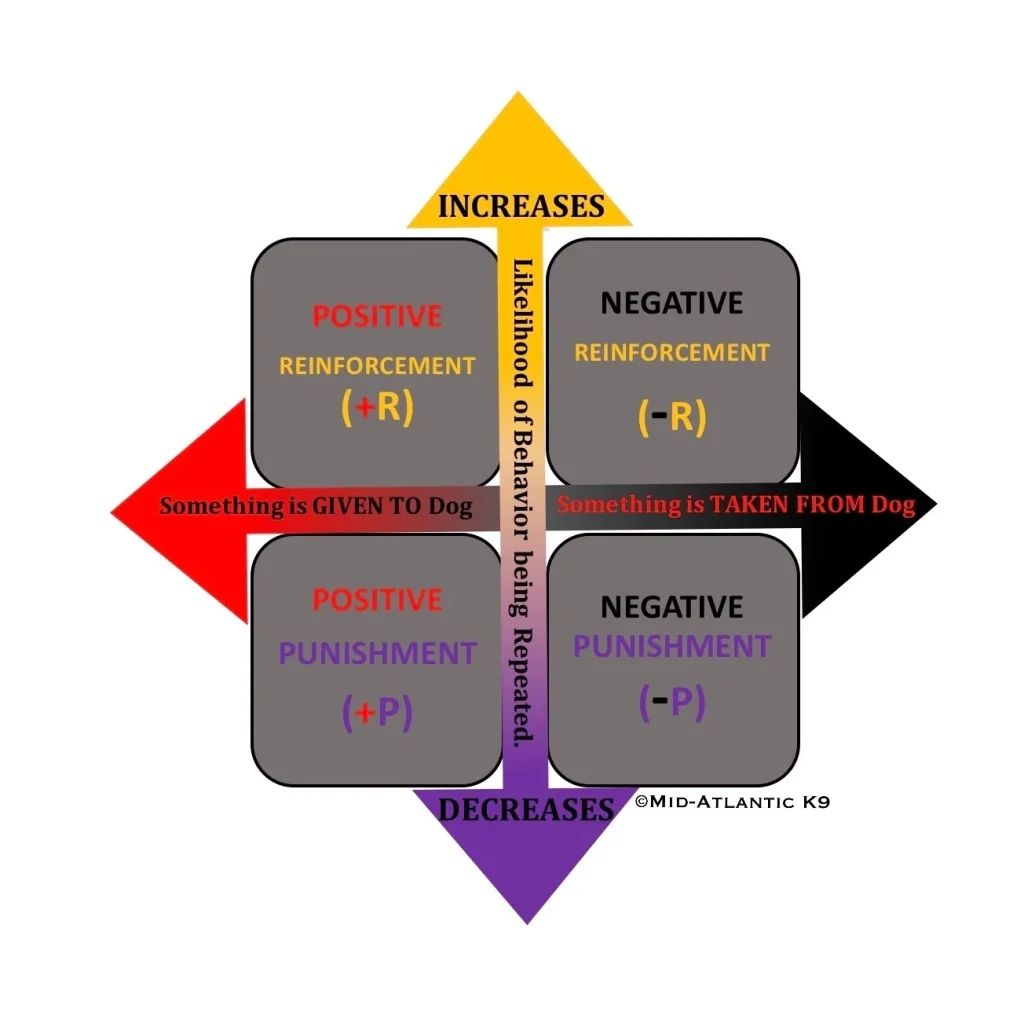
Positive reinforcement involves rewarding a dog for desired behavior, encouraging them to repeat it. It contrasts with negative reinforcement or punishment, which aims to reduce unwanted behavior through unpleasant consequences. Studies show that dogs trained with positive reinforcement are often more confident and reliable in their responses compared to those trained with punishment-based methods.
Can positive reinforcement be effective for all types of undesirable behaviors in adult dogs?
While positive reinforcement is highly effective for a range of behaviors, its success relies on consistency and timely rewards. Some behaviors may require a combination of strategies or the assistance of a professional trainer. Such techniques can be tailored and adapted, making them versatile for various challenges, including cueing dogs to stop excessive barking or jumping.
How do I know which rewards are most effective for my dog?
The choice of reward should be based on what your dog finds motivating. Common options include treats, toys, praise, or playtime. Observing your dog’s reaction can guide you. Some dogs respond better to food rewards, while others may find a favorite toy more enticing.
How long does it take to see results from using positive reinforcement techniques?
Results can vary depending on the dog’s personality and the specific behavior being addressed. Initial improvements can sometimes be seen within a few sessions, but consistency over a period of weeks to months is often necessary for lasting change. Patience and dedication are key components.
Is it possible to implement positive reinforcement techniques without prior training experience?
Yes, many owners successfully apply these techniques at home with resources from books, videos, and training classes. It does require an understanding of timing and observation of your dog’s responses. For complex issues, consultation with a canine behaviorist can provide tailored strategies and guidance.
Conclusion
In exploring techniques for implementing positive reinforcement to address undesirable behaviors in adult dogs, several key takeaways emerge, offering a roadmap for both novice and seasoned pet owners. Consistency in training, paired with timely rewards, stands as a cornerstone method. It embeds desired behaviors through repetitive positive experiences. The practice of using rewards, such as treats or affection, is particularly effective in reinforcing good conduct and steering clear of punitive measures that could induce anxiety or aggression.
Moreover, the approach of redirecting attention from unwanted actions is pivotal. By encouraging alternative behaviors that are more appropriate, pet owners can guide their dogs to react differently in familiar situations. Patience and persistence are also emphasized as integral components of this process; change does not occur overnight. Instead, it is the sustained effort and dedication that yield fruitful results, fostering trust and strength in the bond between dogs and their owners.
Final Thoughts
The overarching message in advocating for positive reinforcement is its profound ability to enhance the wellbeing of dogs, nurturing a harmonious coexistence. Through these strategies, dog owners are empowered not only to correct behaviors but to contribute positively to their pet’s life. As understudies of canine psychology, they embark on a journey of learning and adaptation, marked by mutual respect and understanding. In acknowledging these techniques, the potential for further exploration into canine behavior is vast, inviting pet owners to delve deeper into training methodologies that align with each dog’s unique temperament.
The significance of these strategies extends beyond mere obedience to embrace a comprehensive approach to care, underscoring the importance of compassionate and intentional pet ownership. The result is a rewarding, collaborative relationship, grounded in positive, enriching experiences for both parties.